
In today’s healthcare environment, patient expectations extend far beyond medical treatment alone. Patients seek personalized communication, timely support, convenient appointment scheduling, and seamless healthcare experiences. To meet these growing demands, healthcare organizations are increasingly adopting Healthcare Customer Relationship Management (CRM) systems.
Healthcare CRM for Enhanced Patient Support Services has become an essential solution for hospitals, clinics, and healthcare providers looking to strengthen patient relationships, improve operational efficiency, and deliver superior patient experiences. By centralizing patient information and streamlining communication, healthcare CRM systems enable providers to offer more responsive and personalized support throughout the patient journey.
What Is a Healthcare CRM?
A Healthcare CRM is a specialized software platform designed to manage patient interactions, communication, and engagement. Unlike traditional CRM systems used in sales and marketing, healthcare CRMs focus on improving patient care, satisfaction, and support services.
These systems help healthcare providers:
- Manage patient information
- Track interactions and communications
- Schedule appointments
- Coordinate care
- Automate routine administrative tasks
- Improve patient engagement
Healthcare CRM solutions create a more connected and patient-centered healthcare experience.
Why Patient Support Services Matter
Patient support services play a critical role in healthcare delivery. Effective support helps patients navigate their healthcare journey while improving satisfaction and treatment outcomes.
Strong patient support services can:
- Improve communication
- Increase patient trust
- Enhance treatment adherence
- Reduce missed appointments
- Strengthen patient-provider relationships
- Improve overall healthcare experiences
Healthcare CRM systems help organizations deliver these benefits more efficiently and consistently.
Improving Patient Communication
Clear and timely communication is the foundation of effective patient support.
Healthcare CRM platforms enable healthcare providers to communicate through multiple channels, including:
- SMS messages
- Phone calls
- Patient portals
- Mobile applications
Automated communication tools ensure patients receive important information such as:
- Appointment reminders
- Follow-up instructions
- Test result notifications
- Health education materials
- Preventive care reminders
Improved communication helps patients stay informed and engaged in their care.
Personalized Patient Engagement
Every patient has unique healthcare needs and preferences.
Healthcare CRM systems collect and organize valuable information such as:
- Medical history
- Treatment plans
- Appointment records
- Communication preferences
- Patient feedback
With this information readily available, healthcare providers can deliver more personalized interactions and tailored support services.
Personalized communication often leads to higher patient satisfaction and stronger long-term relationships.
Streamlining Appointment Management
Scheduling challenges can negatively impact both patients and healthcare providers.
Healthcare CRM systems simplify appointment management by offering:
- Online scheduling
- Automated confirmations
- Reminder notifications
- Rescheduling options
- Waitlist management
These features help reduce no-show rates and improve scheduling efficiency while providing greater convenience for patients.
Supporting Care Coordination
Many patients receive treatment from multiple healthcare professionals across different departments.
Healthcare CRM systems improve care coordination by centralizing patient information and enabling seamless communication among care teams.
Benefits include:
- Improved collaboration
- Better treatment planning
- Reduced duplication of services
- Enhanced continuity of care
Efficient care coordination helps ensure patients receive consistent and well-organized support.
Faster Response to Patient Inquiries
Patients often have questions regarding appointments, medications, treatment plans, billing, and healthcare services.
Healthcare CRM systems help support teams respond more quickly by providing instant access to patient information and communication histories.
This enables staff to:
- Resolve issues efficiently
- Provide accurate information
- Reduce response times
- Improve patient satisfaction
Prompt support contributes to a more positive healthcare experience.
Automating Routine Support Tasks
Administrative tasks can consume valuable staff time.
Healthcare CRM systems automate many routine processes, including:
- Appointment reminders
- Follow-up communications
- Survey distribution
- Patient onboarding
- Referral management
Automation reduces manual workload and allows healthcare staff to focus on higher-value patient interactions.
Enhancing Patient Retention
Patient retention is important for healthcare organizations seeking long-term growth and continuity of care.
Healthcare CRM systems support retention through:
- Personalized follow-ups
- Wellness reminders
- Preventive care campaigns
- Educational content
- Ongoing patient engagement
Regular communication helps maintain strong relationships and encourages patients to continue receiving care from the same provider.
Collecting and Analyzing Patient Feedback
Understanding patient experiences is essential for continuous improvement.
Healthcare CRM platforms make it easier to gather feedback through:
- Satisfaction surveys
- Online reviews
- Feedback forms
- Experience assessments
Healthcare organizations can analyze this information to identify areas for improvement and enhance patient support services.
Listening to patient feedback helps build trust and demonstrates a commitment to quality care.
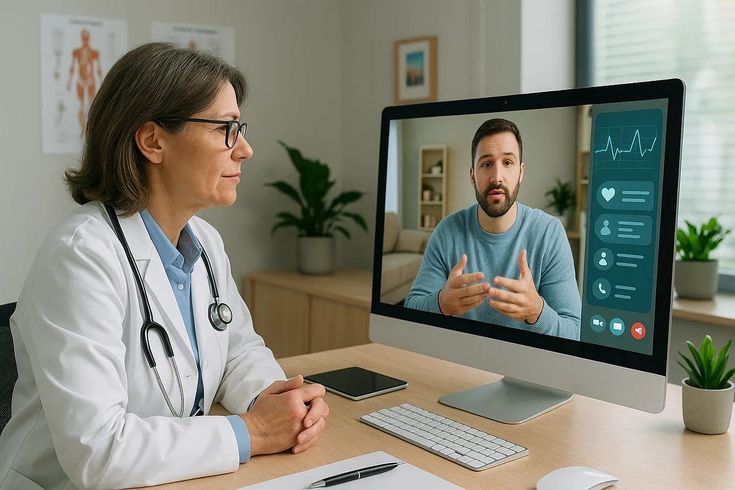
Supporting Telehealth and Virtual Care
The rise of telemedicine has increased the need for integrated patient support systems.
Healthcare CRM solutions can support virtual care by:
- Managing telehealth appointments
- Sending virtual visit reminders
- Facilitating digital communication
- Tracking remote patient interactions
This integration helps create a seamless experience for both in-person and virtual healthcare services.
Improving Data Management and Accessibility
Healthcare organizations generate large amounts of patient data every day.
Healthcare CRM systems centralize information, making it easier to:
- Access patient records
- Track communication history
- Manage appointments
- Coordinate care plans
Centralized data improves operational efficiency and ensures healthcare teams have access to accurate information when needed.
Ensuring Data Security and Compliance
Patient privacy is a top priority in healthcare.
Modern Healthcare CRM systems include features such as:
- Data encryption
- Secure user authentication
- Role-based access controls
- Audit trails
- Regulatory compliance support
These security measures help protect sensitive patient information and maintain trust.
Benefits of Healthcare CRM for Patient Support Services
Healthcare CRM systems provide numerous advantages for healthcare organizations.
Key benefits include:
- Improved patient communication
- Faster support response times
- Enhanced care coordination
- Reduced administrative workload
- Higher patient satisfaction
- Better patient retention
- Increased operational efficiency
These benefits contribute to stronger patient relationships and improved healthcare delivery.
Future Trends in Healthcare CRM
Healthcare CRM technology continues to evolve as digital healthcare expands.
Emerging trends include:
- Artificial Intelligence (AI)
- Predictive patient engagement
- Automated care recommendations
- Advanced analytics
- Personalized healthcare journeys
These innovations will further strengthen patient support services and improve healthcare outcomes.