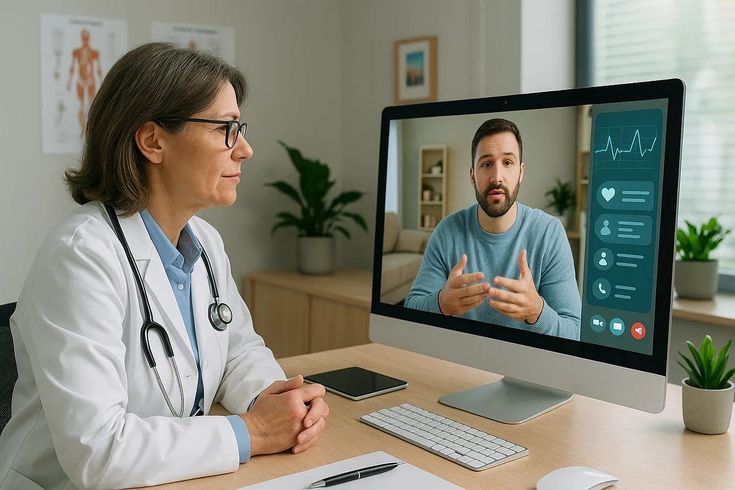
The healthcare industry is rapidly evolving, with patient expectations, digital technologies, and operational demands becoming increasingly complex. Medical practices today must provide exceptional patient care while managing appointments, communications, records, and administrative processes efficiently. One technology that is transforming healthcare management is the Healthcare Customer Relationship Management (CRM) system.
Understanding The Role of Healthcare CRM in Modern Medical Practices can help healthcare providers improve patient experiences, streamline workflows, and build stronger relationships with patients while enhancing overall operational performance.
What Is a Healthcare CRM?
A Healthcare CRM is a specialized software platform designed to help healthcare organizations manage patient interactions, communications, and relationships. Unlike traditional CRM systems used in sales and marketing, healthcare CRMs are tailored to meet the unique needs of medical practices, clinics, hospitals, and healthcare providers.
Healthcare CRM systems centralize patient information and facilitate communication across multiple channels, enabling providers to deliver more personalized and efficient care.
Why Healthcare CRM Is Important
Modern healthcare focuses not only on treating illnesses but also on improving patient engagement and satisfaction. Patients now expect convenient communication, timely responses, and personalized healthcare experiences.
Healthcare CRM systems help providers:
- Improve patient communication
- Enhance patient retention
- Streamline administrative tasks
- Increase operational efficiency
- Support personalized care
- Strengthen patient relationships
These benefits contribute to better healthcare experiences and improved patient outcomes.
Enhancing Patient Communication
Effective communication is one of the most important aspects of healthcare delivery.
Healthcare CRM systems allow medical practices to communicate with patients through:
- SMS reminders
- Phone calls
- Patient portals
- Mobile applications
Automated communication tools help ensure patients receive important updates regarding appointments, test results, treatment plans, and follow-up care.
Improved communication reduces misunderstandings and helps patients stay engaged in their healthcare journey.
Improving Appointment Management
Missed appointments can disrupt schedules and impact both patient care and revenue.
Healthcare CRM systems help manage appointments by:
- Sending automated reminders
- Confirming appointments
- Managing cancellations
- Facilitating rescheduling
- Reducing no-show rates
These features help optimize scheduling efficiency while ensuring patients receive timely care.
Supporting Personalized Patient Care
Every patient has unique healthcare needs, preferences, and medical histories.
Healthcare CRM platforms store valuable information such as:
- Medical history
- Treatment plans
- Communication preferences
- Appointment records
- Follow-up requirements
With access to comprehensive patient profiles, healthcare providers can deliver more personalized and patient-centered care.
Personalized experiences often lead to higher patient satisfaction and stronger provider-patient relationships.
Streamlining Administrative Workflows
Administrative responsibilities consume significant time and resources within medical practices.
Healthcare CRM systems automate many routine tasks, including:
- Patient registration
- Appointment scheduling
- Follow-up communications
- Data management
- Patient surveys
Automation reduces manual workload, minimizes errors, and allows healthcare staff to focus more on patient care.
Improving Patient Retention
Patient retention is an important factor in the success of any healthcare practice.
Healthcare CRM systems help maintain long-term relationships through:
- Preventive care reminders
- Follow-up notifications
- Health education campaigns
- Wellness program updates
- Personalized communications
Regular engagement encourages patients to remain connected with their healthcare providers.
Facilitating Marketing and Outreach
Healthcare CRM platforms also support ethical and compliant marketing initiatives.
Medical practices can use CRM systems to:
- Promote healthcare services
- Share educational content
- Announce new treatments
- Inform patients about wellness programs
- Conduct targeted outreach campaigns
These efforts help attract new patients while maintaining engagement with existing ones.
Enhancing Data Management
Healthcare organizations manage large volumes of patient information daily.
Healthcare CRM systems provide centralized data storage that enables:
- Easier information access
- Improved data accuracy
- Better record organization
- Enhanced collaboration among healthcare teams
Centralized data management improves efficiency and supports informed decision-making.
Supporting Patient Feedback and Satisfaction
Patient feedback is essential for continuous improvement.
CRM systems allow healthcare providers to collect:
- Patient satisfaction surveys
- Service reviews
- Feedback forms
- Experience assessments
Analyzing patient feedback helps identify areas for improvement and enhance the quality of care.
Satisfied patients are more likely to recommend a practice to others and remain loyal over time.
Improving Care Coordination
Many patients receive care from multiple healthcare professionals.
Healthcare CRM systems facilitate better coordination by providing a unified view of patient information across departments and care teams.
Benefits include:
- Improved communication among providers
- Better treatment planning
- Reduced duplication of services
- Enhanced continuity of care
Effective care coordination contributes to improved patient outcomes.
Data Security and Compliance
Protecting patient information is a top priority in healthcare.
Healthcare CRM platforms often include security features such as:
- Data encryption
- User authentication
- Access controls
- Audit trails
- Regulatory compliance support
Strong security measures help protect sensitive health information and maintain patient trust.
Healthcare CRM and Telemedicine
The growth of telemedicine has increased the need for integrated digital solutions.
Healthcare CRM systems can support virtual care by:
- Managing telehealth appointments
- Tracking patient interactions
- Facilitating digital communication
- Supporting remote patient engagement
Integration between CRM platforms and telemedicine services helps create seamless healthcare experiences.
Benefits for Healthcare Providers
Healthcare CRM systems offer numerous advantages for medical practices.
These benefits include:
- Improved operational efficiency
- Enhanced patient engagement
- Better communication
- Increased patient retention
- Reduced administrative burden
- More informed decision-making
By optimizing workflows and strengthening patient relationships, CRM systems contribute to long-term organizational success.
Future Trends in Healthcare CRM
As healthcare technology continues to evolve, CRM systems are becoming more advanced.
Emerging trends include:
- Artificial Intelligence (AI)
- Predictive analytics
- Automated patient engagement
- Personalized healthcare recommendations
- Advanced reporting tools
These innovations will further enhance the ability of healthcare providers to deliver efficient and patient-centered care.