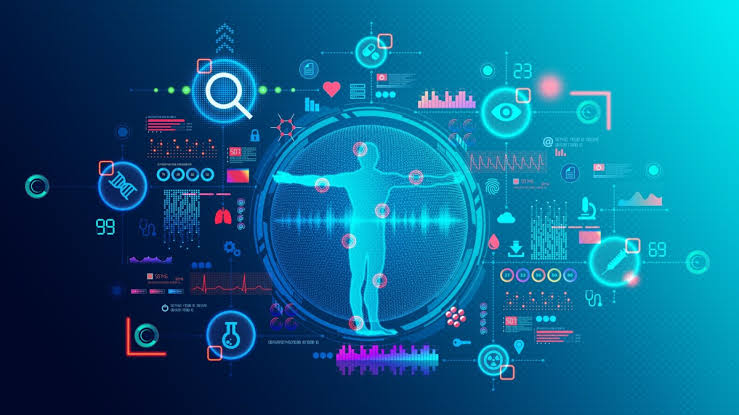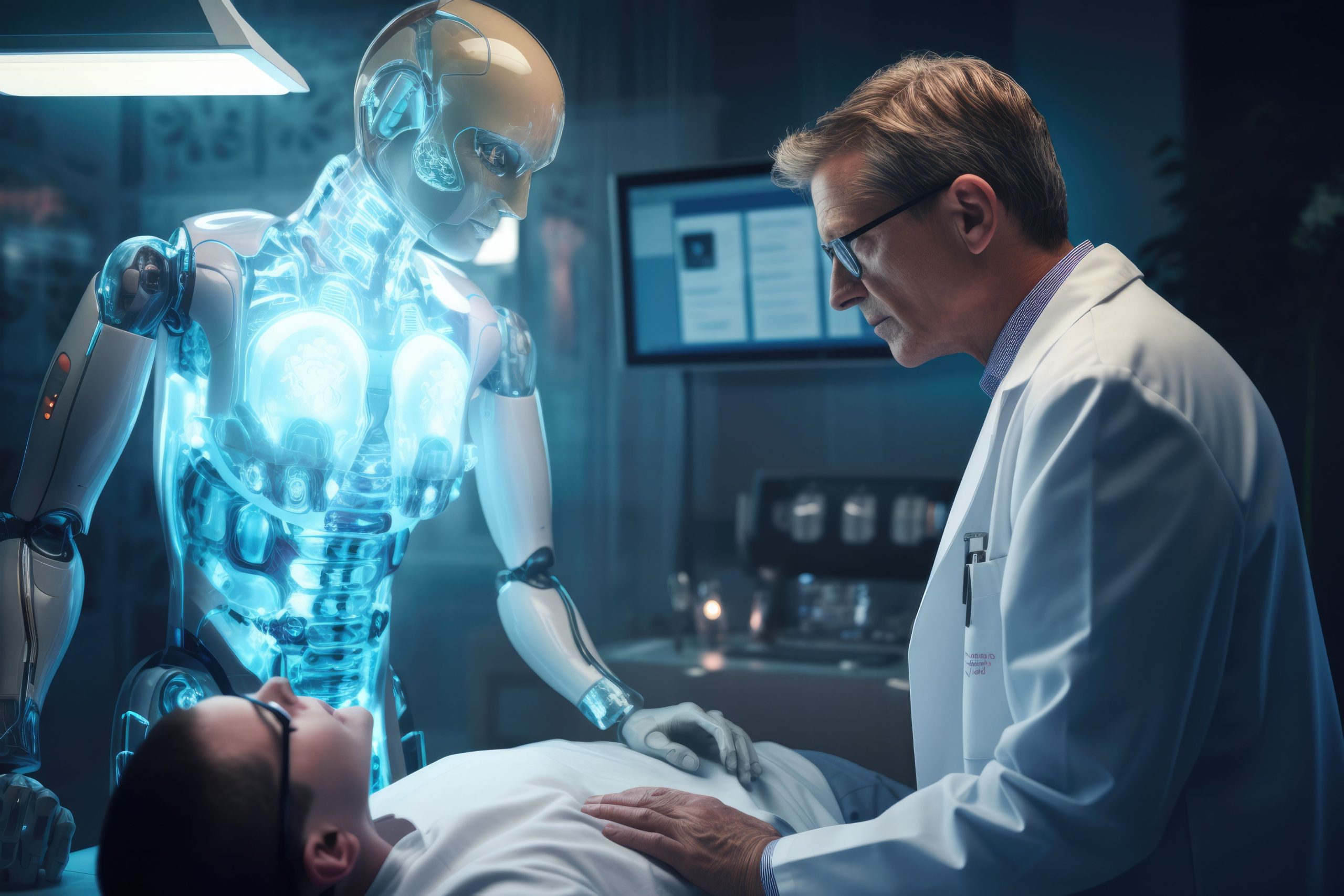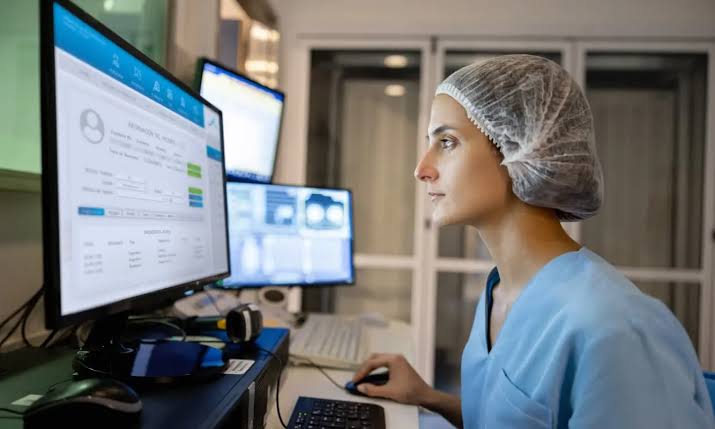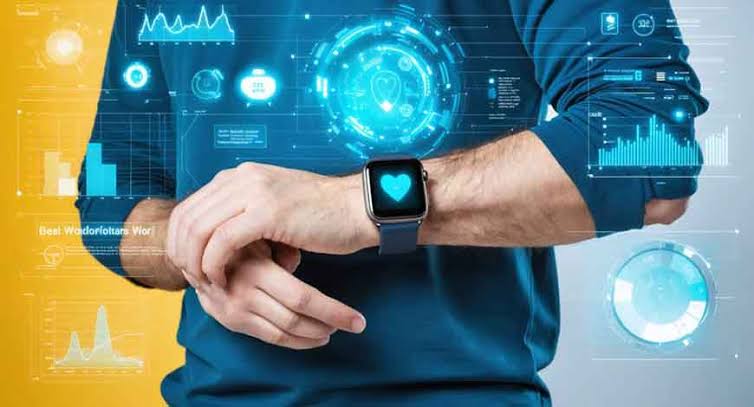
Healthcare is undergoing a rapid digital transformation driven by innovative technologies that improve patient care, streamline operations, and enhance clinical decision-making. As healthcare organizations continue to embrace digital solutions, emerging technologies are reshaping how hospitals, clinics, diagnostic centers, and healthcare professionals deliver medical services. From artificial intelligence to remote patient monitoring, these advancements are creating more connected, efficient, and patient-centered healthcare systems.
Understanding Healthcare Technology Trends for the Future helps healthcare providers prepare for the next generation of medical innovation. By adopting modern technologies, healthcare organizations can improve patient outcomes, increase operational efficiency, and deliver higher-quality healthcare experiences.
The Digital Transformation of Healthcare
Healthcare has evolved beyond traditional paper-based systems and manual processes. Digital technologies now support nearly every aspect of healthcare, including patient registration, diagnosis, treatment planning, communication, billing, and follow-up care.
The continued adoption of digital healthcare solutions is helping providers improve efficiency while offering patients greater convenience and accessibility.
Artificial Intelligence in Healthcare
Artificial intelligence (AI) is becoming one of the most influential technologies in modern healthcare. AI analyzes large volumes of medical data to support healthcare professionals in making faster and more accurate decisions.
AI applications include:
- Clinical decision support
- Medical image analysis
- Predictive analytics
- Personalized treatment recommendations
- Administrative automation
- Patient risk assessment
Rather than replacing healthcare professionals, AI enhances their ability to deliver informed and efficient care.
Telehealth and Virtual Care
Telehealth continues to expand access to healthcare by allowing patients to consult healthcare professionals remotely.
Benefits include:
- Greater accessibility
- Reduced travel time
- Faster follow-up appointments
- Improved access for rural communities
- Better continuity of care
Virtual consultations have become an important part of modern healthcare and are expected to remain a key service in the future.
Remote Patient Monitoring
Remote patient monitoring enables healthcare providers to track patient health outside traditional clinical settings.
Connected devices can monitor:
- Blood pressure
- Heart rate
- Blood glucose levels
- Oxygen saturation
- Physical activity
Continuous monitoring allows healthcare professionals to detect potential health concerns early and provide timely intervention.
Wearable Health Technology
Wearable devices are becoming increasingly sophisticated and play an important role in preventive healthcare.
Modern wearable technology can track:
- Daily activity
- Sleep quality
- Heart rhythm
- Exercise performance
- Stress levels
These devices encourage patients to take an active role in managing their health while providing valuable data to healthcare providers.
Cloud-Based Healthcare Systems
Cloud computing enables healthcare organizations to securely store, manage, and access patient information from multiple locations.
Advantages include:
- Secure data storage
- Real-time information access
- Improved collaboration
- Automatic software updates
- Better scalability
Cloud technology supports efficient healthcare operations while ensuring healthcare professionals have access to accurate patient information whenever needed.
Electronic Health Records
Electronic Health Records (EHRs) continue to improve healthcare efficiency by replacing paper-based documentation with digital records.
Benefits include:
- Instant access to patient information
- Better coordination of care
- Reduced paperwork
- Improved documentation accuracy
- Enhanced clinical decision-making
Modern EHR systems are increasingly integrated with other healthcare technologies to provide seamless patient management.
Healthcare Automation
Automation reduces repetitive administrative tasks, allowing healthcare professionals to focus more on patient care.
Automation supports:
- Appointment scheduling
- Patient registration
- Billing
- Insurance verification
- Documentation
- Reporting
Improved efficiency benefits both healthcare organizations and patients.
Predictive Analytics
Predictive analytics uses healthcare data to identify trends and anticipate future healthcare needs.
Healthcare providers use predictive analytics to:
- Identify high-risk patients
- Prevent hospital readmissions
- Support early disease detection
- Improve resource planning
- Enhance preventive care
These insights enable proactive healthcare rather than reactive treatment.
Internet of Medical Things (IoMT)
The Internet of Medical Things connects medical devices through secure digital networks.
Examples include:
- Smart monitoring equipment
- Connected diagnostic devices
- Remote monitoring systems
- Wearable sensors
- Home healthcare devices
Connected technologies improve information sharing while supporting continuous patient monitoring.
Personalized Healthcare
Technology is making personalized medicine more accessible than ever before.
Healthcare providers can use digital information to develop individualized care plans based on:
- Medical history
- Lifestyle
- Genetic information
- Treatment response
- Risk factors
Personalized care improves patient satisfaction while supporting better treatment outcomes.
Mobile Healthcare Applications
Healthcare mobile apps continue to improve patient engagement by providing convenient access to healthcare services.
Common features include:
- Appointment booking
- Medication reminders
- Medical record access
- Secure communication
- Health tracking
- Wellness resources
Mobile technology makes healthcare more accessible and convenient for patients.
Cybersecurity in Healthcare
As healthcare organizations collect more digital information, protecting sensitive patient data becomes increasingly important.
Future cybersecurity strategies include:
- Multi-factor authentication
- Advanced encryption
- Continuous monitoring
- Artificial intelligence security tools
- Secure cloud infrastructure
Strong cybersecurity protects patient privacy while maintaining trust in digital healthcare systems.
Robotics in Healthcare
Healthcare robotics continue to expand across clinical and administrative settings.
Applications include:
- Surgical assistance
- Medication delivery
- Laboratory automation
- Patient support
- Hospital logistics
Robotic technologies improve precision, efficiency, and operational performance.
Big Data and Healthcare Analytics
Healthcare organizations generate vast amounts of information every day.
Big data analytics helps identify:
- Population health trends
- Treatment effectiveness
- Patient satisfaction
- Operational performance
- Resource utilization
These insights support evidence-based decision-making and continuous healthcare improvement.
Benefits Across Healthcare Organizations
Future healthcare technologies will benefit every healthcare setting.
Hospitals
Hospitals will improve patient management, diagnostics, workflow automation, and resource allocation through integrated digital platforms.
Clinics
Clinics will streamline appointments, electronic documentation, communication, and patient engagement using advanced healthcare software.
Diagnostic Centers
Diagnostic facilities will use artificial intelligence and automation to improve testing accuracy and reporting efficiency.
Specialty Practices
Specialized healthcare providers will leverage predictive analytics, personalized treatment planning, and remote monitoring to enhance patient outcomes.
Preparing for the Future
Healthcare organizations should prepare for future technological advancements by:
- Investing in digital infrastructure
- Training healthcare professionals
- Strengthening cybersecurity
- Adopting cloud-based systems
- Integrating healthcare software
- Focusing on patient-centered innovation
Early adoption of modern technologies helps organizations remain competitive while improving healthcare delivery.
Healthcare Technology Trends for the Future are shaping a more connected, intelligent, and patient-focused healthcare industry. Innovations such as artificial intelligence, telehealth, wearable devices, cloud computing, predictive analytics, automation, and the Internet of Medical Things are transforming how healthcare organizations deliver care and manage operations. These technologies improve efficiency, enhance clinical decision-making, support personalized treatment, and create better patient experiences. As digital transformation continues to accelerate, healthcare providers that embrace emerging technologies will be better positioned to deliver high-quality, efficient, and future-ready healthcare services while meeting the evolving needs of patients and the healthcare industry.