Healthcare is rapidly evolving as digital technologies reshape the way providers deliver care and engage with patients. Hospitals, clinics, specialty practices, and healthcare organizations are adopting innovative solutions to improve efficiency, strengthen patient relationships, and provide more personalized services. Understanding How Healthcare CRM Supports Healthcare Innovation is essential because Customer Relationship Management (CRM) systems have become a key driver of digital transformation in the healthcare industry.
Healthcare CRM software goes beyond managing patient information. It enables organizations to streamline communication, automate administrative tasks, enhance care coordination, and leverage data for informed decision-making. By supporting innovation across multiple areas of healthcare, CRM systems help providers deliver higher-quality care while improving operational performance.
What Is a Healthcare CRM?
A Healthcare Customer Relationship Management (CRM) system is a specialized software platform designed to manage patient interactions, improve communication, and strengthen relationships throughout the patient journey. Unlike traditional CRM platforms used in sales and marketing, healthcare CRM solutions focus on patient engagement, care coordination, and service optimization while maintaining strict privacy and security standards.
Understanding How Healthcare CRM Supports Healthcare Innovation begins with recognizing its role in connecting patients, healthcare professionals, and administrative teams through one centralized platform.
Healthcare CRM systems typically provide:
- Patient relationship management
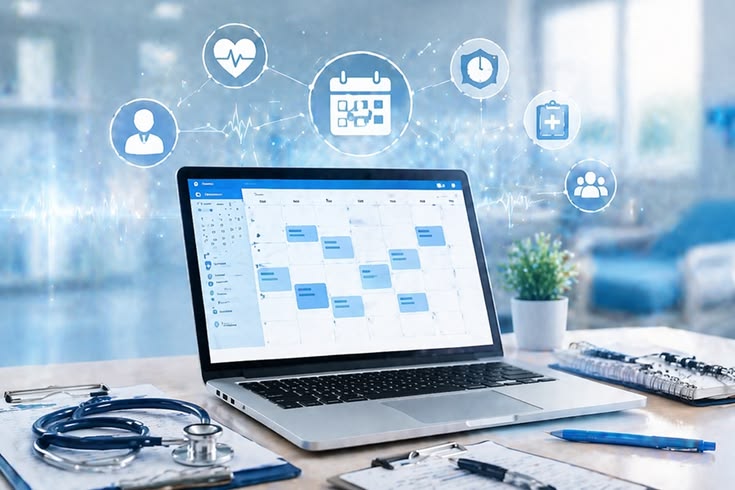
- Appointment scheduling
- Communication automation
- Patient engagement tools
- Care coordination support
- Performance reporting
- Workflow management
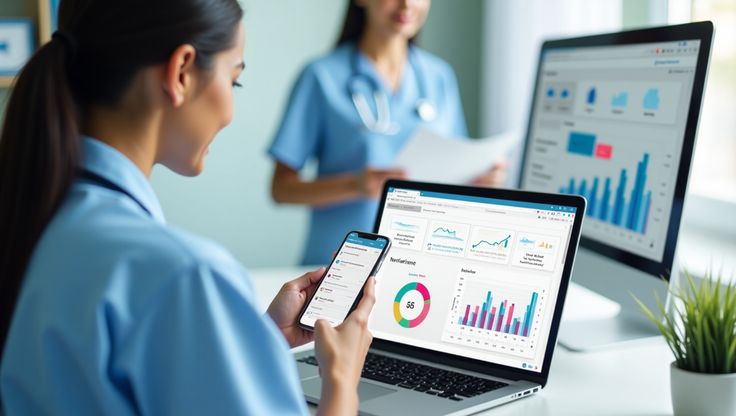
- Data analytics
These capabilities allow healthcare organizations to innovate while maintaining a patient-centered approach.
Driving Digital Transformation
Digital transformation is changing every aspect of healthcare, from appointment scheduling to remote consultations and personalized treatment plans.
Healthcare CRM supports this transformation by:
- Digitizing patient communication
- Reducing manual administrative work
- Centralizing patient information
- Automating routine workflows
- Supporting cloud-based collaboration
These improvements help healthcare organizations operate more efficiently while enhancing patient experiences.
Improving Patient Engagement
Patient engagement is one of the most significant areas where innovation is making an impact.
Healthcare CRM systems enable providers to communicate with patients through:
- Appointment reminders
- Follow-up messages
- Preventive care notifications
- Wellness campaigns
- Educational resources
- Personalized health updates
Ongoing engagement encourages patients to take an active role in managing their health, leading to better outcomes.
Personalizing the Patient Experience
Modern healthcare emphasizes personalized care rather than a one-size-fits-all approach.
Healthcare CRM software helps providers personalize services by using patient data to:
- Recommend preventive screenings
- Send treatment-specific information
- Deliver customized wellness tips
- Schedule personalized follow-ups
- Share relevant healthcare resources
Personalized communication builds trust and improves patient satisfaction.
Enhancing Care Coordination
Many patients receive treatment from multiple healthcare professionals. Coordinating care across departments is essential for delivering consistent healthcare services.
Healthcare CRM systems improve coordination by:
- Sharing updated patient information
- Tracking communication history
- Managing referrals
- Supporting multidisciplinary collaboration
- Coordinating follow-up care
Better collaboration reduces delays and improves continuity of care.
Automating Administrative Processes
Innovation often begins with reducing repetitive manual work.
Healthcare CRM software automates tasks such as:
- Appointment scheduling
- Appointment reminders
- Patient registration
- Follow-up communication
- Feedback collection
- Notification management
Automation increases staff productivity while allowing healthcare professionals to dedicate more time to patient care.
Leveraging Data Analytics
Healthcare organizations generate large amounts of valuable information every day.
Healthcare CRM platforms transform this data into meaningful insights by tracking:
- Patient engagement
- Appointment attendance
- Communication effectiveness
- Service utilization
- Patient satisfaction
- Operational performance
These insights support evidence-based decision-making and continuous service improvement.
Supporting Telehealth Services
Telehealth has become an important component of modern healthcare delivery.
Healthcare CRM systems integrate with telehealth platforms to:
- Schedule virtual consultations
- Send appointment reminders
- Manage patient communication
- Share digital health resources
- Track virtual care interactions
These capabilities improve access to healthcare while supporting remote patient management.
Integrating with Healthcare Systems
Healthcare CRM solutions work alongside existing healthcare technologies to create connected digital ecosystems.
Common integrations include:
- Electronic Health Records (EHR)
- Electronic Medical Records (EMR)
- Laboratory Information Systems
- Pharmacy management software
- Billing platforms
- Patient portals
Integration reduces duplicate data entry and improves workflow efficiency.
Strengthening Patient Communication
Clear communication is essential for delivering quality healthcare.
Healthcare CRM software supports multiple communication channels, including:
- SMS
- Phone calls
- Mobile applications
- Patient portals
- Live chat
Providing flexible communication options helps patients stay informed throughout their healthcare journey.
Improving Accessibility
Innovation also focuses on making healthcare more accessible.
Healthcare CRM contributes by providing:
- Online appointment booking
- Digital communication
- Mobile access
- Automated reminders
- Personalized notifications
- Multichannel patient support
These features remove barriers that can prevent patients from accessing healthcare services.
Ensuring Data Security
Healthcare innovation must always protect patient privacy.
Modern CRM platforms include advanced security features such as:
- Data encryption
- Multi-factor authentication
- Role-based access controls
- Audit trails
- Secure cloud storage
- Regular backups
These safeguards help healthcare organizations maintain compliance while protecting sensitive information.
Emerging Technologies in Healthcare CRM
Healthcare CRM continues to evolve with new technologies that improve patient care and operational efficiency.
Emerging innovations include:
- Artificial Intelligence for patient communication
- Predictive analytics
- Machine learning
- Chatbots for patient support
- Voice-enabled healthcare services
- Remote patient monitoring
- Internet of Medical Things (IoMT)
- Cloud-based CRM platforms
These technologies enable healthcare organizations to deliver smarter and more responsive services.
Benefits of Healthcare CRM Innovation
Implementing How Healthcare CRM Supports Healthcare Innovation provides valuable advantages for both patients and healthcare organizations.
Benefits for Patients
- Faster communication
- Personalized healthcare experiences
- Easier appointment management
- Better continuity of care
- Improved access to healthcare information
- Greater convenience
Benefits for Healthcare Providers
- Increased operational efficiency
- Better care coordination
- Improved patient engagement
- Reduced administrative workload
- Data-driven decision-making
- Stronger patient relationships
Together, these benefits create a more efficient and patient-focused healthcare environment.
Best Practices for Successful CRM Implementation
Healthcare organizations can maximize innovation by following these best practices:
- Define clear implementation goals
- Train staff effectively
- Integrate CRM with existing systems
- Maintain accurate patient information
- Protect patient privacy
- Monitor key performance indicators
- Gather patient feedback
- Continuously optimize workflows
- Use automation strategically
- Regularly evaluate system performance
Following these practices helps ensure successful adoption and long-term value.
The Future of Healthcare CRM
Healthcare CRM will continue to evolve as organizations adopt more advanced digital technologies.
Future developments may include:
- AI-assisted clinical communication
- Predictive patient engagement
- Expanded telehealth integration
- Personalized preventive healthcare
- Advanced population health management
- Smarter workflow automation
- Enhanced patient self-service tools
- Deeper interoperability between healthcare platforms
These innovations will further improve patient experiences while helping providers deliver more efficient and coordinated care.
Understanding How Healthcare CRM Supports Healthcare Innovation highlights the growing role of technology in modern healthcare. By improving communication, automating workflows, supporting personalized patient engagement, enabling data-driven decisions, and integrating with existing healthcare systems, CRM software helps organizations deliver more efficient and patient-centered care.
As the healthcare industry continues its digital transformation, investing in a robust healthcare CRM solution enables providers to embrace innovation, improve operational performance, strengthen patient relationships, and achieve better health outcomes. Organizations that leverage CRM technology effectively will be well-positioned to meet evolving patient expectations and thrive in the future of healthcare.