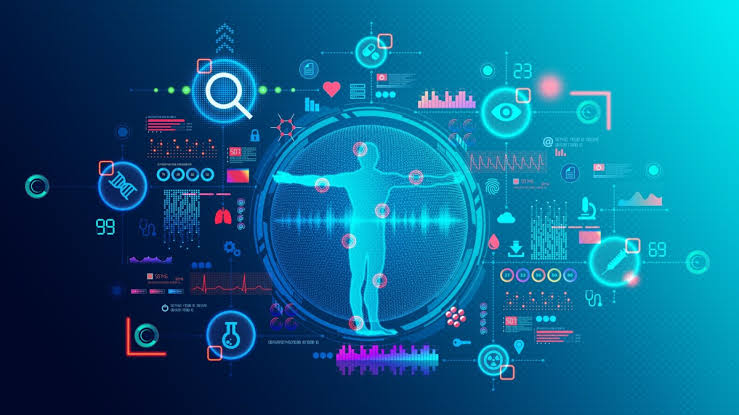
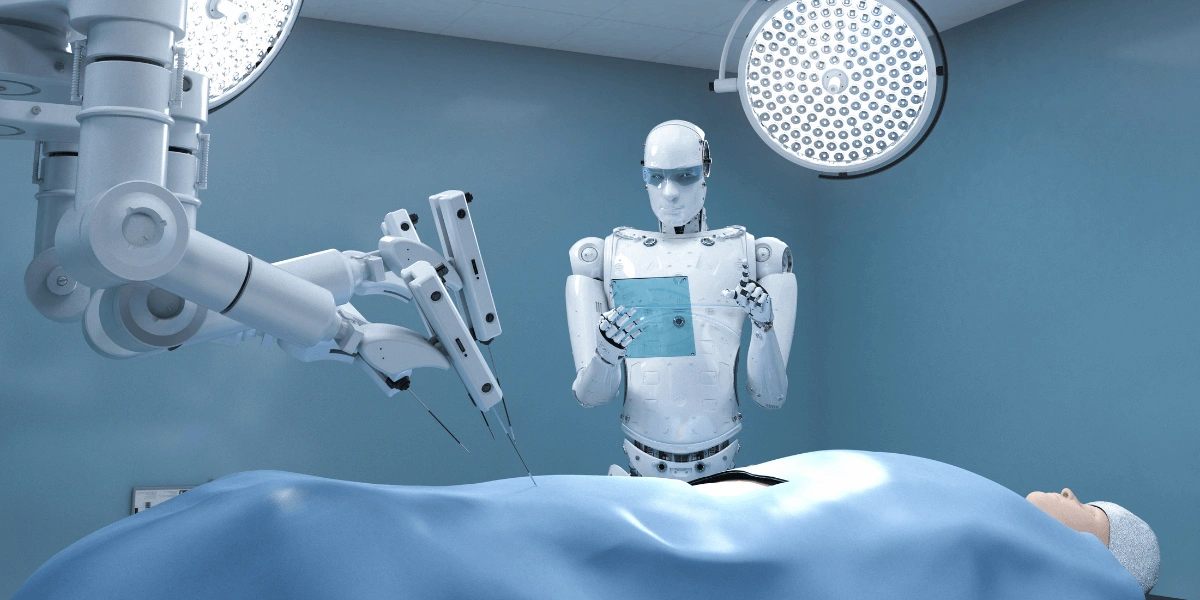
The healthcare industry is undergoing a rapid transformation with the adoption of digital technologies, and one area experiencing significant innovation is Customer Relationship Management (CRM) systems. Traditionally used to manage patient interactions, appointments, and communication, modern healthcare CRM platforms are now integrating Artificial Intelligence (AI) to provide smarter, more personalized, and efficient solutions. AI is reshaping the way healthcare providers interact with patients, analyze data, and improve operational outcomes, making it a critical component of modern healthcare management.
How AI Enhances Healthcare CRM
1. Personalized Patient Engagement
AI enables healthcare CRM systems to analyze vast amounts of patient data and deliver personalized experiences. By leveraging machine learning algorithms, the CRM can predict patient needs, send targeted reminders, and offer customized healthcare recommendations. Personalized communication increases patient satisfaction, encourages adherence to treatment plans, and fosters stronger relationships between patients and providers.
2. Predictive Analytics for Better Outcomes
One of the most impactful applications of AI in healthcare CRM is predictive analytics. AI can identify trends in patient data, predict potential health risks, and alert healthcare providers to intervene early. For example, AI can forecast which patients are at higher risk of chronic illnesses or readmission, enabling proactive care management. Predictive insights improve patient outcomes while optimizing resource allocation.
3. Automation of Routine Tasks
AI-powered CRM systems automate routine administrative tasks, such as appointment scheduling, follow-up reminders, and patient communication. Automation reduces the workload on staff, minimizes human error, and ensures patients receive timely updates. This efficiency allows healthcare professionals to focus on providing high-quality care rather than being bogged down by repetitive administrative work.
4. Enhanced Patient Support with Chatbots
AI chatbots integrated into healthcare CRM systems provide instant, 24/7 patient support. They can answer frequently asked questions, guide patients through appointment booking, and provide information on treatments or medications. Chatbots improve accessibility and responsiveness while freeing up human staff for more complex patient interactions.
5. Improved Data Management and Insights
Healthcare CRM systems collect massive volumes of data, including patient histories, lab results, and feedback. AI helps analyze this data efficiently, uncover patterns, and generate actionable insights. Providers can make data-driven decisions, improve treatment strategies, and identify operational inefficiencies. Advanced analytics also support marketing and patient retention strategies by understanding patient behavior and preferences.
Challenges of AI Integration in Healthcare CRM

Despite its benefits, integrating AI into healthcare CRM comes with challenges that need careful consideration:
1. Data Privacy and Security
Healthcare data is highly sensitive, and integrating AI algorithms requires access to large datasets. Ensuring patient privacy, maintaining compliance with regulations like HIPAA and GDPR, and securing data against breaches are critical challenges that organizations must address.
2. Quality and Accuracy of Data
AI’s effectiveness depends on the quality of the data it processes. Inaccurate, incomplete, or outdated data can lead to incorrect predictions, misdiagnoses, or poor patient recommendations. Ensuring proper data management practices is essential.
3. Integration Complexity
Adding AI capabilities to existing CRM systems can be complex, requiring compatibility checks, customization, and specialized IT resources. Organizations need to plan integration carefully to avoid disruptions and ensure smooth operations.
4. Staff Training and Adaptation
Healthcare staff must understand how to use AI-enhanced CRM tools effectively. Training employees to interpret AI insights, manage automated workflows, and interact with AI-driven systems is crucial for successful adoption.
5. Ethical Considerations
AI algorithms can unintentionally perpetuate biases or make recommendations that may not consider individual patient contexts. Healthcare organizations must monitor AI decisions, ensure fairness, and maintain human oversight to safeguard ethical practices.
Best Practices for Implementing AI in Healthcare CRM
To maximize the benefits of AI while minimizing risks, healthcare organizations should adopt a strategic approach:
- Ensure Data Security and Compliance: Encrypt data, implement access controls, and follow regulatory guidelines to protect patient information.
- Start with Targeted Use Cases: Implement AI in specific areas, such as predictive analytics or patient communication, before expanding to more complex tasks.
- Invest in Quality Data Management: Regularly update and validate patient records to ensure AI tools operate accurately.
- Train Staff and Foster Adoption: Provide ongoing training and support to help healthcare professionals effectively utilize AI-enhanced CRM features.
- Monitor and Evaluate AI Performance: Continuously track AI outcomes, detect biases, and refine algorithms to maintain effectiveness and ethical standards.
Conclusion
Artificial Intelligence is revolutionizing healthcare CRM systems by enabling personalized patient engagement, predictive analytics, automation, and data-driven insights. AI not only improves operational efficiency but also enhances patient experiences and outcomes.
However, successful implementation requires careful attention to data security, integration challenges, staff training, and ethical considerations. By following best practices and maintaining human oversight, healthcare organizations can harness the full potential of AI, creating smarter, more responsive, and patient-centric CRM systems.
In the future, AI will continue to evolve healthcare CRM, making it an indispensable tool for providers seeking to deliver efficient, personalized, and high-quality care. The synergy of AI and healthcare CRM marks a significant step toward a more proactive, data-driven, and patient-focused healthcare environment.