The healthcare industry is undergoing a major digital transformation, with telehealth and digital patient management at the forefront. Telehealth platforms have made healthcare more accessible, allowing patients to consult doctors remotely. At the same time, Healthcare CRM (Customer Relationship Management) systems are streamlining patient management, improving engagement, and optimizing operations. Combining these two technologies—integrating telehealth platforms with Healthcare CRM systems—offers healthcare providers unprecedented opportunities to improve patient care and operational efficiency.
In the UAE and worldwide, healthcare providers are increasingly recognizing the value of this integration. It allows clinics, hospitals, and specialty centers to deliver seamless patient experiences while maintaining accurate records, improving communication, and optimizing workflows.
1. Why Integration Matters in Modern Healthcare
Telehealth platforms handle virtual consultations, appointment scheduling, and remote monitoring, but without proper integration with a Healthcare CRM system, much of the patient data remains siloed. This can lead to inefficiencies, duplicate records, and a fragmented patient experience.
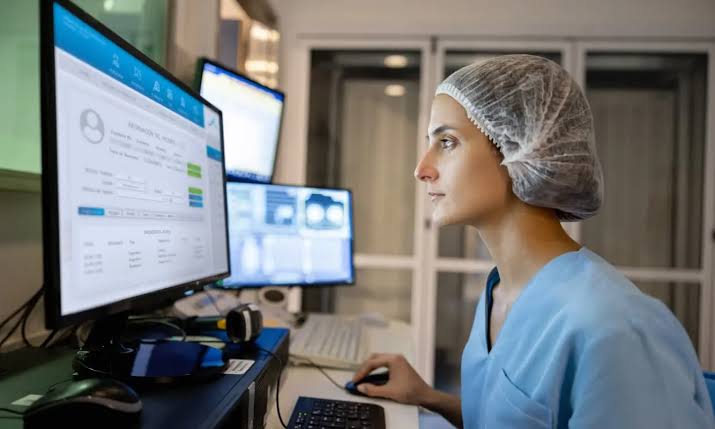
A Healthcare CRM system centralizes patient information—contact details, medical history, appointment history, and engagement data. When telehealth platforms are integrated with CRM systems, patient interactions are automatically logged, creating a single source of truth. This integration ensures doctors, nurses, and administrative staff have access to complete, up-to-date information at all times, which enhances clinical decision-making and patient care.
2. Enhancing Patient Engagement and Communication
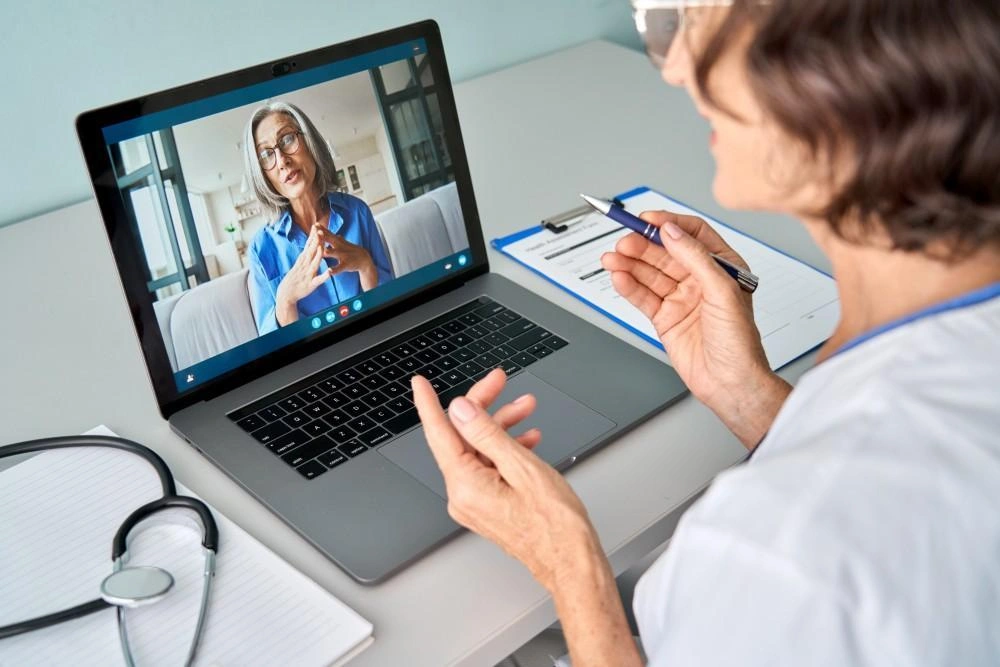
One of the major benefits of integrating telehealth with a Healthcare CRM is improved patient engagement. Telehealth allows patients to consult healthcare providers from the comfort of their homes, while a CRM ensures these interactions are tracked and followed up effectively.
For example, after a teleconsultation, the CRM can trigger automated follow-up reminders, personalized health tips, or prescription refills. Integration also allows clinics to send appointment confirmations, reminders, and post-consultation surveys through multiple channels, including email, SMS, and WhatsApp. This multi-channel engagement ensures patients stay connected and feel supported, improving overall satisfaction and loyalty.
3. Streamlining Appointments and Scheduling
Appointment management is one of the biggest challenges for healthcare providers. Telehealth platforms facilitate virtual appointments, but without CRM integration, scheduling conflicts and manual follow-ups can occur.
A Healthcare CRM system integrated with telehealth platforms automates scheduling. Patients can book appointments online, and the system updates both telehealth and CRM records automatically. Automated reminders reduce no-shows, and providers can efficiently manage their calendars. In multi-branch clinics or hospitals, CRM integration ensures all staff have visibility into appointments, optimizing resource allocation and reducing administrative burden.
4. Improving Data Management and Patient Records
Data accuracy is critical in healthcare. Telehealth platforms generate large volumes of patient data, including consultation notes, diagnostic reports, and prescription history. A Healthcare CRM system ensures that this data is captured, stored securely, and made accessible to authorized personnel.
Integration eliminates the need for duplicate data entry, reducing errors and ensuring consistency across all patient records. Providers can quickly retrieve a patient’s complete medical history before consultations, whether in-person or virtual, enabling more accurate diagnosis and treatment planning. Additionally, integrated systems facilitate compliance with data privacy regulations, such as DHA standards in the UAE.
5. Leveraging Analytics for Better Decision-Making
Integrating telehealth with Healthcare CRM systems provides valuable insights through analytics. By analyzing appointment trends, patient behavior, and engagement metrics, healthcare providers can make data-driven decisions to improve services.
For instance, analytics can reveal which teleconsultation services are most popular, identify peak appointment times, and help predict patient needs. This insight allows clinics to optimize staffing, launch targeted health campaigns, and enhance service delivery. CRM dashboards can consolidate both telehealth and patient engagement data, giving administrators a comprehensive view of operations.
6. Supporting Multi-Branch and Specialist Clinics
Healthcare organizations in the UAE often operate multiple branches or specialized clinics. Managing telehealth appointments across locations can be complex without integration.
By connecting telehealth platforms with Healthcare CRM systems, multi-branch clinics can centralize patient records and coordinate care across specialists and locations. Patients visiting different branches or consulting multiple specialists have a seamless experience, while providers have full access to medical history and past interactions. This improves continuity of care and enhances overall efficiency.
7. Enhancing Patient Retention and Marketing

A CRM integrated with telehealth can also support patient retention and marketing initiatives. Providers can use patient data to send targeted reminders, health tips, and seasonal health campaigns. For example, patients with chronic conditions can receive automated follow-ups or reminders for regular check-ups.
Marketing teams can analyze telehealth usage patterns to design campaigns tailored to patient preferences. By leveraging CRM insights, healthcare providers can build stronger relationships, boost patient loyalty, and increase adoption of telehealth services.
8. Ensuring Compliance and Security
Healthcare data is sensitive, and compliance is critical. Integrated telehealth and CRM systems allow providers to maintain high standards of data security. Role-based access ensures only authorized personnel can view patient information. Secure storage and automated audit logs maintain transparency and support regulatory compliance.
In the UAE, where data protection and healthcare regulations are strict, integration ensures that telehealth interactions are securely captured in the CRM, supporting legal and ethical standards.
Conclusion
Integrating telehealth platforms with Healthcare CRM systems is no longer optional—it is essential for modern healthcare providers. The integration streamlines operations, enhances patient engagement, improves data accuracy, and supports compliance while providing valuable insights for better decision-making.
For clinics, hospitals, and multi-specialty centers in the UAE, this integration enables a seamless digital experience for patients and staff alike. From automated scheduling and follow-ups to advanced analytics and secure data management, combining telehealth and CRM technologies ensures superior patient care and operational efficiency.
As the healthcare industry continues to embrace digital transformation, organizations that integrate telehealth platforms with Healthcare CRM systems will lead the way in patient satisfaction, innovation, and overall service excellence.