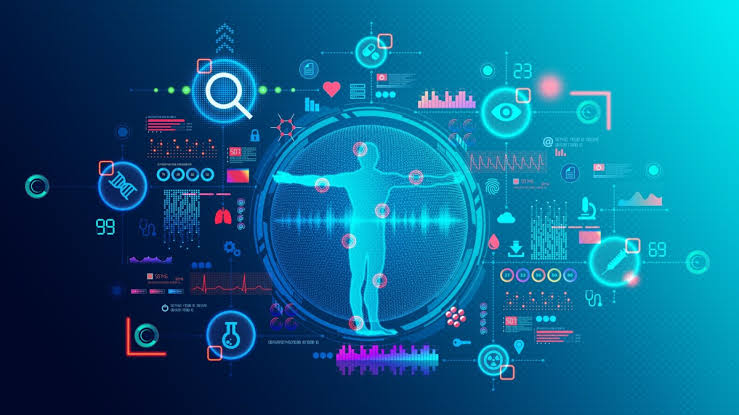

The healthcare industry is undergoing a digital revolution, and Artificial Intelligence (AI) is at the forefront of this transformation. From diagnosing diseases to managing hospital workflows, AI has become a powerful tool that helps healthcare providers deliver more efficient, personalized, and proactive care. One of its most promising applications is in predictive patient care — using data-driven insights to anticipate health issues before they occur and intervene early to improve outcomes.
By combining machine learning algorithms, data analytics, and clinical expertise, predictive AI is changing the way healthcare organizations approach prevention, diagnosis, and treatment. In this blog, we’ll explore how AI can be used to enhance predictive patient care, its real-world applications, and the benefits it brings to patients and providers alike.
1. What Is Predictive Patient Care?
Predictive patient care is the practice of using data and analytics to forecast potential health events before they happen. Instead of reacting to illness after it develops, healthcare providers can use AI tools to identify early warning signs, assess risk factors, and personalize interventions.
For example, AI models can analyze a patient’s medical history, lifestyle data, and lab results to predict the likelihood of developing conditions like diabetes, heart disease, or depression. Armed with this insight, healthcare providers can take preventive actions — such as recommending lifestyle changes, monitoring specific biomarkers, or scheduling earlier follow-ups.
This proactive approach shifts healthcare from a reactive model (treating illness) to a preventive and predictive model, where the goal is to maintain long-term wellness.
2. The Role of AI in Predictive Healthcare
AI systems rely on massive volumes of healthcare data — including Electronic Health Records (EHRs), lab results, imaging scans, and even wearable device data — to identify hidden patterns and correlations. Through machine learning (ML) and deep learning, AI can detect subtle indicators that human clinicians might overlook.
For instance:
- AI algorithms can analyze years of patient data to spot patterns linked to chronic diseases.
- Natural Language Processing (NLP) can interpret doctor’s notes and unstructured clinical text to uncover additional insights.
- Predictive models can flag patients who are at high risk for hospital readmission or complications.
These tools empower healthcare providers to make data-backed clinical decisions, prioritize high-risk patients, and optimize care delivery.
3. Key Applications of AI in Predictive Patient Care
AI has a wide range of applications across various medical specialties. Here are some of the most impactful uses:
a. Early Disease Detection
AI models can predict diseases like cancer, diabetes, and cardiovascular conditions based on patient data. For instance, AI-driven imaging tools can detect abnormalities in X-rays or MRIs earlier than traditional methods, allowing timely diagnosis and treatment.
b. Predicting Hospital Readmissions
AI can analyze factors such as prior hospitalizations, medication adherence, and social determinants of health to forecast which patients are at risk of readmission. Hospitals can then allocate resources to provide targeted post-discharge care, reducing readmission rates and improving outcomes.
c. Personalized Treatment Plans
Every patient is different, and AI can help personalize treatment by analyzing genetics, medical history, and response to previous therapies. Predictive models can recommend customized care plans that maximize effectiveness while minimizing side effects.
d. Chronic Disease Management
AI enables continuous monitoring for patients with chronic diseases through wearable devices and connected apps. Predictive analytics can alert clinicians when data suggests worsening symptoms, allowing timely intervention before hospitalization becomes necessary.
e. Population Health Management
At a broader level, AI can help healthcare systems identify trends within specific populations — such as an increase in heart disease risk among certain age groups — and launch preventive health campaigns accordingly.
4. The Data Behind Predictive AI Models
For AI to deliver accurate predictions, it must be trained on high-quality, diverse datasets. The main types of data used include:
- Clinical Data: Lab results, diagnostic images, prescriptions, and treatment records.
- Behavioral Data: Lifestyle factors such as diet, exercise, and sleep patterns.
- Genomic Data: Genetic markers that indicate disease predisposition.
- Environmental Data: External factors like air quality, geography, and socioeconomic status.
- Real-Time Data: Continuous streams from wearable devices, smart watches, or remote monitoring tools.
The integration of these data types allows AI to provide a comprehensive health profile, making predictions more accurate and actionable.
5. Benefits of Using AI for Predictive Care
Implementing AI for predictive patient care offers multiple benefits for both patients and healthcare providers:
a. Early Intervention and Prevention
AI helps identify risks long before symptoms appear, enabling early interventions that can prevent disease progression and improve quality of life.
b. Reduced Healthcare Costs
By minimizing hospital admissions, emergency visits, and unnecessary tests, predictive AI reduces overall healthcare spending.
c. Improved Patient Outcomes
Timely, data-driven decisions lead to better health outcomes, faster recoveries, and fewer complications.
d. Enhanced Efficiency
AI automates data analysis, allowing healthcare professionals to focus more on patient care instead of administrative tasks.
e. Personalized Patient Experience
AI enables truly personalized care — patients receive recommendations and follow-ups based on their unique health profiles.
6. Real-World Examples of Predictive AI in Healthcare
Several healthcare organizations and tech companies are already leveraging AI for predictive care:
- Google Health has developed AI tools capable of detecting diabetic retinopathy from retinal scans with remarkable accuracy.
- IBM Watson Health uses machine learning to predict cancer risks and recommend treatment options based on clinical data.
- Mayo Clinic and other hospitals use predictive analytics to monitor ICU patients and anticipate complications such as sepsis or cardiac arrest.
These success stories illustrate how predictive AI is moving from theory to real-world clinical impact.
7. Challenges in Implementing Predictive AI
Despite its potential, AI implementation in healthcare isn’t without challenges:
- Data Privacy and Security: Handling sensitive patient data requires strict compliance with regulations like HIPAA or GDPR.
- Bias in AI Models: AI systems can inherit biases from the data they’re trained on, leading to inaccurate predictions.
- Integration Issues: Combining AI tools with existing EHR systems can be technically complex.
- Lack of Clinical Trust: Clinicians may hesitate to rely on AI-driven predictions without clear transparency and validation.
Addressing these challenges is essential to build trust, reliability, and accountability in AI-based predictive systems.
8. The Future of Predictive AI in Healthcare

As technology advances, AI will play an even greater role in shaping personalized, preventive, and value-based care. The future will see deeper integration between AI, IoT, and Healthcare CRM systems, enabling real-time patient tracking and predictive alerts that empower both patients and clinicians.
AI-driven predictive care will not only transform treatment strategies but also redefine healthcare’s fundamental goal — shifting from curing disease to preventing it entirely.
Conclusion
AI is revolutionizing healthcare by enabling a shift from reactive treatment to proactive and predictive care. By analyzing massive datasets and identifying patterns invisible to the human eye, AI empowers healthcare providers to anticipate health issues, personalize care plans, and optimize patient outcomes.
While challenges around data privacy, bias, and integration remain, the potential benefits are undeniable. As predictive AI continues to evolve, it promises to make healthcare more efficient, affordable, and patient-centered — a future where technology truly helps people live longer, healthier lives.