In today’s fast-evolving healthcare landscape, patient experience is as important as medical expertise. From booking appointments to receiving follow-up care, patients expect fast, personalized, and seamless communication with their healthcare providers. However, managing these interactions manually can be time-consuming and inefficient—especially for clinics and hospitals handling hundreds of patients daily.
This is where chatbots integrated with Healthcare CRM systems are transforming the way healthcare organizations operate. By combining automation with intelligent data management, chatbots are redefining patient support, making healthcare more efficient, accessible, and patient-centered.
Understanding Healthcare CRM
A Healthcare Customer Relationship Management (CRM) system is a digital platform that helps medical organizations manage relationships and communication with patients. It consolidates all patient-related data—appointments, medical history, feedback, billing, and communications—into one centralized system.
Healthcare CRMs help providers understand patient behavior, track interactions, and improve the overall care journey. But when integrated with AI-powered chatbots, these systems become even more powerful, enabling real-time support and round-the-clock engagement without overwhelming administrative teams.
The Rise of Chatbots in Healthcare
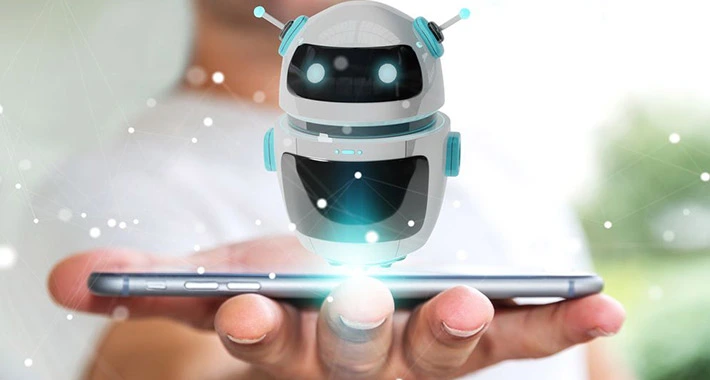
Chatbots are AI-driven virtual assistants that simulate human conversation through text or voice interactions. In healthcare, they’re being used to answer patient questions, schedule appointments, send reminders, and even provide medical guidance based on pre-programmed protocols.
Unlike traditional communication channels—like phone calls or emails—chatbots offer instant, 24/7 support. When integrated with a Healthcare CRM, they can access relevant patient data to deliver personalized responses, streamline workflows, and enhance the overall patient experience.
1. 24/7 Patient Assistance
Healthcare doesn’t operate on a 9-to-5 schedule—patients may need information or support at any hour. A chatbot integrated with a CRM ensures that patients can get answers immediately, even outside of clinic hours.
For example, a patient can message the chatbot to check lab results, book an appointment, or ask about medication side effects. The chatbot instantly retrieves data from the CRM and responds accurately within seconds.
This round-the-clock availability enhances patient satisfaction and reduces the load on front-desk staff who would otherwise handle after-hours inquiries.
2. Simplified Appointment Scheduling and Reminders
One of the most common and time-consuming administrative tasks in healthcare is managing appointments. Chatbots automate this process seamlessly.
Patients can use the chatbot to:
- View available time slots.
- Schedule or reschedule appointments.
- Receive automated reminders about upcoming visits.
Once confirmed, the chatbot automatically updates the CRM, ensuring real-time synchronization across departments. This automation not only saves staff time but also reduces no-shows and ensures a smoother patient flow.
For example, if a patient forgets their follow-up date, the chatbot can send a friendly reminder via SMS or WhatsApp, improving attendance rates.
3. Personalized Patient Interactions
When connected to a CRM, chatbots gain access to detailed patient profiles, including previous visits, diagnoses, and preferences. This enables personalized communication tailored to each individual’s needs.
If a patient recently underwent a treatment, the chatbot can follow up with post-procedure care instructions or ask about their recovery. Similarly, it can share educational materials relevant to a patient’s condition or recommend wellness programs.
Such personalized support helps build stronger patient relationships and fosters trust—key elements for improving healthcare outcomes and loyalty.
4. Streamlining Administrative Workflows
Healthcare staff often spend hours handling repetitive administrative queries—like insurance coverage, payment details, or document requests. Chatbots take over these routine interactions, freeing staff to focus on more critical tasks.
For example:
- A chatbot can instantly answer FAQs about hospital services or insurance policies.
- It can collect patient data during initial inquiries and feed it directly into the CRM.
- It can initiate billing or registration workflows automatically.
By automating these processes, healthcare organizations can significantly reduce administrative workload, minimize errors, and improve overall efficiency.
5. Enhancing Communication Across Departments
Integrating chatbots with a CRM ensures that every patient interaction—whether it’s an appointment, feedback, or query—is recorded and accessible to the entire healthcare team.
When a doctor, nurse, or administrative staff member accesses the patient’s CRM profile, they can instantly see all chatbot interactions and updates. This creates a seamless flow of communication across departments, preventing duplicate work and ensuring that patients receive consistent, informed responses at every touchpoint.
6. Collecting Feedback and Measuring Satisfaction
Patient feedback is critical for improving healthcare services. Chatbots can be programmed to automatically collect feedback after an appointment or treatment.
For example, a chatbot can ask:
- “How would you rate your visit today?”
- “Was your doctor’s explanation clear?”
Responses are automatically stored in the CRM, allowing administrators to analyze satisfaction trends and identify areas for improvement. This continuous feedback loop helps organizations enhance service quality and patient retention.
7. Improving Data Accuracy and Analytics
Manual data entry is often prone to mistakes, which can lead to miscommunication or poor decision-making. Chatbots help maintain accurate and real-time patient data by automatically logging every interaction in the CRM.
Over time, these interactions create a valuable dataset. Healthcare administrators can analyze chatbot-CRM data to identify:
- The most common patient questions.
- Peak times for support inquiries.
- Patterns in appointment cancellations or feedback trends.
These insights help healthcare leaders make data-driven decisions to improve operations, allocate resources, and plan more effective patient engagement strategies.
8. Ensuring Compliance and Data Security
When dealing with sensitive patient data, security and compliance are paramount. Modern chatbot-CRM integrations are designed to meet healthcare regulations such as HIPAA (in the U.S.) or GDPR (in the EU).
All communications are encrypted, and access controls ensure that only authorized personnel can view sensitive information. This ensures that patient privacy is maintained while still offering convenient, automated support.

Final Thoughts
In the era of digital healthcare, chatbots integrated with CRM systems are transforming patient support into a seamless, intelligent, and personalized experience. They help healthcare providers deliver faster responses, reduce administrative burdens, and maintain continuous engagement—without compromising security or quality.
For patients, this means quicker answers, easier access to care, and more personalized attention. For healthcare organizations, it means greater efficiency, improved data accuracy, and stronger patient relationships.
As AI and automation continue to evolve, chatbot-CRM integrations will become an essential component of modern healthcare—bridging the gap between technology and human care, and ensuring that every patient receives timely, compassionate, and connected support.