Login Link

How Healthcare CRM Uses Predictive Analytics

How Healthcare CRM Uses Predictive Analytics

unrecognizable female doctor using tablet with dig 2026 01 11 08 45 59 utc

The healthcare industry is rapidly shifting toward data-driven decision-making. With growing patient volumes, complex care pathways, and rising expectations for personalized experiences, healthcare organizations need smarter tools to stay ahead. One of the most powerful advancements in this space is the use of predictive analytics within Healthcare CRM systems. By analyzing historical and real-time data, predictive analytics helps healthcare providers anticipate patient needs, improve outcomes, and optimize operations.

Understanding Predictive Analytics in Healthcare CRM

Predictive analytics uses statistical models, machine learning, and data patterns to forecast future outcomes. In a healthcare CRM context, it analyzes patient interactions, engagement history, appointment data, and clinical trends to predict behaviors and risks.

Healthcare CRM systems collect large volumes of structured and unstructured data. Predictive analytics transforms this data into actionable insights that support proactive care, efficient resource planning, and better patient engagement strategies.

Predicting Patient Behavior and Engagement

One of the most valuable applications of predictive analytics in healthcare CRM is forecasting patient behavior. By examining past interactions and engagement levels, CRM systems can predict how patients are likely to respond in the future.

Healthcare organizations can:

  • Identify patients at risk of missing appointments
  • Predict disengagement or drop-off in care plans
  • Forecast response to communication campaigns
  • Personalize outreach timing and channels

These insights allow providers to intervene early, improving adherence and continuity of care.

Enhancing Preventive and Proactive Care

Predictive analytics enables healthcare CRM platforms to support proactive care models rather than reactive ones. By identifying trends in patient data, CRMs can flag potential health risks or care gaps.

Examples include:

  • Predicting patients due for screenings or follow-ups
  • Identifying high-risk populations needing closer monitoring
  • Anticipating disease progression patterns
  • Supporting chronic condition management

This proactive approach improves patient outcomes while reducing long-term healthcare costs.

Optimizing Appointment Scheduling and Resource Planning

Healthcare CRM uses predictive analytics to forecast demand and optimize scheduling. By analyzing historical appointment data, CRMs can predict peak hours, seasonal trends, and patient flow patterns.

Benefits include:

  • Improved appointment availability
  • Reduced wait times
  • Better staff allocation
  • Lower no-show rates

Predictive scheduling ensures clinical resources are used efficiently, enhancing both patient satisfaction and operational performance.

Improving Marketing and Outreach Effectiveness

Predictive analytics significantly enhances healthcare marketing efforts. CRM systems analyze campaign data, patient demographics, and engagement history to predict which patients are most likely to respond to specific services or messages.

Healthcare organizations can:

  • Target the right patients with relevant services
  • Forecast campaign conversion rates
  • Optimize marketing budgets
  • Increase patient acquisition efficiency

This data-driven targeting improves ROI and reduces unnecessary outreach.

Supporting Personalized Patient Journeys

Personalization is a key expectation in modern healthcare. Predictive analytics enables healthcare CRM systems to deliver highly tailored patient experiences.

Using predictive models, CRM platforms can:

  • Recommend personalized care pathways
  • Customize communication content
  • Suggest next-best actions for patient engagement
  • Adjust outreach based on predicted preferences

This level of personalization strengthens patient relationships and builds long-term loyalty.

Reducing Readmissions and Care Gaps

Predictive analytics within healthcare CRM helps identify patients at higher risk of readmission or care non-compliance. By analyzing treatment history, engagement levels, and behavioral data, CRM systems can flag warning signs early.

Healthcare teams can then:

  • Schedule timely follow-ups
  • Provide additional education or support
  • Coordinate care across departments
  • Reduce avoidable readmissions

These interventions improve quality of care and support value-based healthcare models.

Data-Driven Decision Making for Leadership

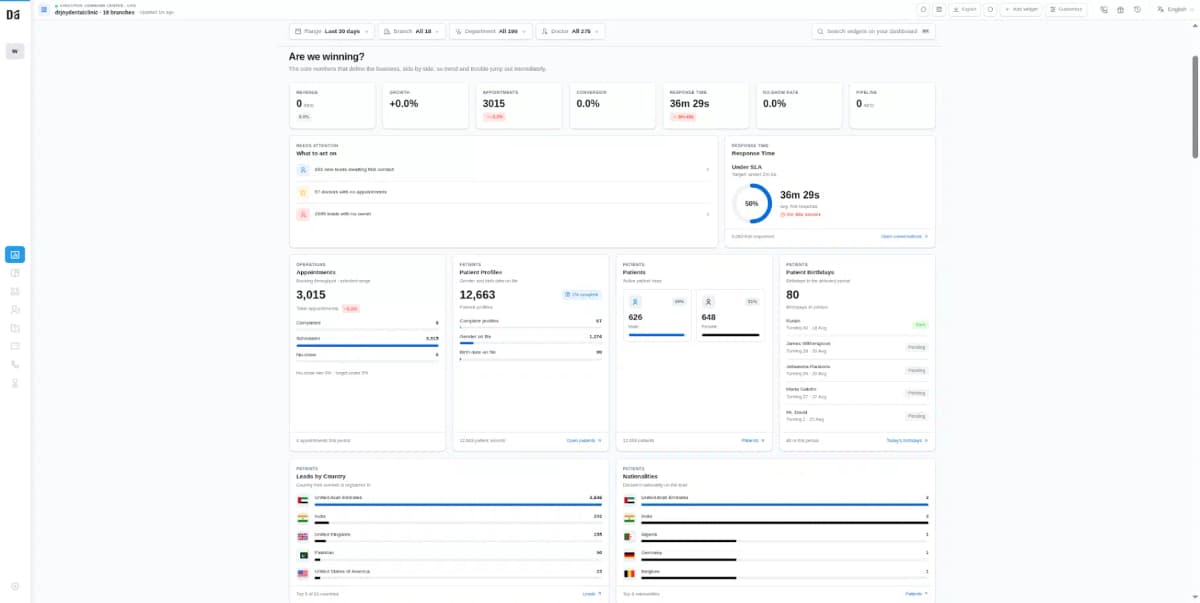
Healthcare CRM predictive analytics supports leadership with strategic insights. Dashboards and reports provide forecasts that guide planning and investment decisions.

Leaders can use predictive insights to:

  • Anticipate patient volume growth
  • Plan service expansions
  • Identify operational risks
  • Improve long-term performance

This forward-looking approach helps organizations stay competitive and resilient.

Ensuring Compliance and Data Security

While using predictive analytics, healthcare CRM systems adhere to strict data security and compliance standards. Patient data is analyzed responsibly, ensuring confidentiality and regulatory compliance.

Secure data handling builds trust and allows organizations to leverage predictive analytics without compromising patient privacy.

The Future of Predictive Analytics in Healthcare CRM

As artificial intelligence and machine learning technologies advance, predictive analytics within healthcare CRM will become even more sophisticated. Future applications may include real-time risk scoring, automated care recommendations, and deeper integration with clinical systems.

These innovations will further transform how healthcare organizations anticipate patient needs and deliver care.

Conclusion

Understanding how healthcare CRM uses predictive analytics reveals its growing importance in modern healthcare operations. By predicting patient behavior, supporting proactive care, optimizing resources, and enabling personalized experiences, predictive analytics turns healthcare CRM into a powerful strategic tool.

When used effectively, predictive analytics not only improves efficiency and outcomes but also helps healthcare organizations deliver smarter, more patient-centered care in an increasingly data-driven world.

Read About Doctorna

Get a full product demo via a video call

Scroll to Top