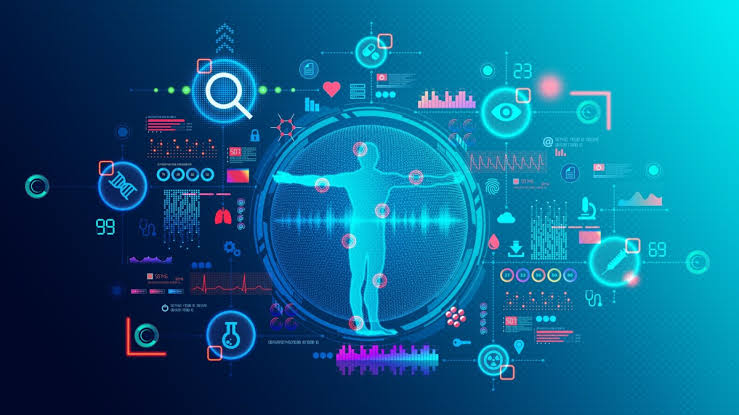


Patient Engagement Trends in Modern Healthcare are reshaping how providers connect with individuals, improve outcomes, and build long-term trust. In today’s digital-first world, patients expect personalized experiences, easy access to information, and active participation in their own care journey. Healthcare systems are evolving quickly to meet these expectations through technology, communication strategies, and patient-centered care models. Understanding these trends helps organizations enhance satisfaction while delivering more efficient and effective healthcare services.
The Shift Toward Patient-Centered Care
One of the most significant trends in modern healthcare is the move toward patient-centered care. Instead of focusing only on treatment, providers now prioritize the overall experience, preferences, and involvement of patients. Patients are no longer passive recipients; they actively participate in decisions about their health. Shared decision-making models allow healthcare professionals to collaborate with patients, discuss treatment options openly, and consider personal goals and lifestyle factors. This approach increases trust and improves adherence to treatment plans.
Digital Health Tools Enhancing Engagement
Technology plays a central role in Patient Engagement Trends in Modern Healthcare. Mobile apps, online patient portals, and wearable devices enable patients to track their health metrics and communicate with providers in real time. These tools offer appointment scheduling, medication reminders, and access to medical records, making healthcare more convenient and transparent. Telehealth platforms have also gained massive popularity, allowing patients to consult healthcare professionals from home, saving time and improving accessibility for people in remote areas.
Personalized Communication and Content
Modern patients expect communication tailored to their needs and preferences. Healthcare providers are increasingly using data analytics and automation tools to send personalized reminders, educational content, and wellness tips. For example, patients managing chronic conditions receive customized guidance based on their medical history and lifestyle habits. Personalized engagement not only improves patient satisfaction but also enhances preventive care by encouraging individuals to take proactive steps toward better health.
The Rise of Remote Monitoring
Remote patient monitoring has become a major trend in healthcare engagement. Devices that track vital signs such as heart rate, blood pressure, and glucose levels allow providers to monitor patients outside clinical settings. This continuous monitoring enables early detection of potential issues and reduces the need for frequent hospital visits. Patients benefit from greater independence while still receiving professional oversight. Remote monitoring is especially valuable for elderly individuals and those with chronic illnesses.
Focus on Health Education and Empowerment
Empowering patients through education is another key aspect of modern engagement strategies. Healthcare organizations are investing in digital libraries, webinars, and interactive learning tools that help patients understand their conditions and treatment options. When patients are well-informed, they are more likely to follow medical advice and maintain healthy habits. Educational resources also reduce anxiety by providing clear explanations and realistic expectations about treatments and recovery processes.
Integration of Artificial Intelligence and Automation
Artificial intelligence is transforming how healthcare systems interact with patients. Chatbots and virtual assistants help answer common questions, schedule appointments, and provide basic health information instantly. Predictive analytics tools can identify patients who may need additional support, allowing providers to intervene early. Automation reduces administrative workloads, giving healthcare professionals more time to focus on meaningful patient interactions and personalized care.
Social Media and Community Engagement
Social media platforms have become valuable tools for patient engagement. Healthcare organizations use these channels to share health tips, promote awareness campaigns, and build supportive online communities. Patients can connect with others who share similar health challenges, fostering a sense of belonging and encouragement. Online communities also provide feedback to healthcare providers, helping them understand patient needs and improve services accordingly.
Emphasis on Mental Health and Holistic Wellbeing
Modern healthcare engagement extends beyond physical health to include mental and emotional wellbeing. Providers are integrating mental health support into primary care services and offering digital therapy platforms and mindfulness resources. Holistic care models recognize that emotional health plays a crucial role in overall wellness. By addressing the full spectrum of patient needs, healthcare organizations can build stronger relationships and achieve better long-term outcomes.
Challenges and Considerations
While Patient Engagement Trends in Modern Healthcare offer numerous benefits, there are challenges to address. Data privacy and security remain critical concerns as more health information is shared digitally. Healthcare organizations must invest in secure systems and educate patients about protecting their personal data. Additionally, not all patients have equal access to technology, so providers must ensure inclusive solutions that consider diverse populations and digital literacy levels.
The Future of Patient Engagement
Looking ahead, patient engagement will continue evolving with advancements in technology and healthcare delivery models. Virtual reality for patient education, advanced wearable devices, and predictive health analytics are likely to become more common. As healthcare systems become increasingly data-driven, personalized and preventive care will take center stage. Ultimately, the goal is to create seamless, accessible, and empowering experiences that place patients at the heart of every healthcare interaction.
Patient Engagement Trends in Modern Healthcare highlight the growing importance of collaboration, technology, and personalized care. By embracing digital tools, enhancing communication, and focusing on patient empowerment, healthcare providers can improve outcomes and build lasting trust. As innovation continues, organizations that prioritize meaningful engagement will be better positioned to meet patient expectations and deliver high-quality, patient-centered healthcare experiences.