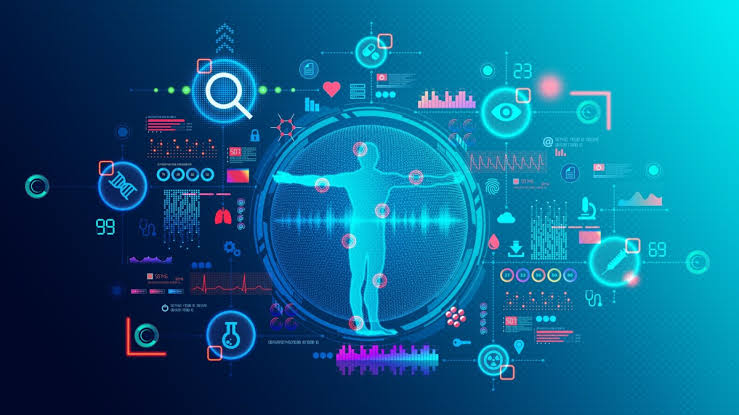

Predictive Analytics in Healthcare CRM is transforming the way healthcare organizations manage patient relationships, optimize operations, and deliver personalized care. By using historical data, machine learning algorithms, and advanced analytics, healthcare providers can anticipate patient needs, identify potential risks, and improve overall engagement. As healthcare systems continue to evolve in a data-driven world, predictive analytics has become a powerful tool for enhancing both clinical and administrative decision-making.
Understanding Predictive Analytics in Healthcare CRM
Predictive analytics involves analyzing existing data to forecast future outcomes and trends. In the context of healthcare CRM, this technology helps providers understand patient behavior, treatment patterns, and engagement levels. By examining medical records, appointment history, communication preferences, and demographic information, CRM platforms can generate actionable insights. These insights allow healthcare teams to take proactive steps, ensuring patients receive timely care and support.
Enhancing Patient Engagement and Retention
One of the biggest advantages of Predictive Analytics in Healthcare CRM is its ability to improve patient engagement. By identifying patterns in patient interactions, healthcare organizations can predict which individuals may miss appointments or discontinue treatment. Automated reminders, personalized follow-ups, and targeted health education campaigns can then be implemented to keep patients engaged. This proactive approach not only improves adherence to treatment plans but also strengthens long-term relationships between patients and providers.
Supporting Preventive and Proactive Care
Predictive analytics plays a crucial role in preventive healthcare by identifying patients who may be at risk for certain conditions or complications. For example, CRM systems can analyze data from chronic disease management programs and flag patients who require additional monitoring. Early intervention helps reduce hospital readmissions and emergency visits, leading to better health outcomes and lower healthcare costs. Preventive care strategies driven by predictive insights contribute to more efficient resource allocation within healthcare organizations.
Improving Marketing and Patient Outreach
Healthcare marketing teams benefit greatly from predictive analytics integrated into CRM systems. By analyzing patient preferences and engagement patterns, organizations can design targeted campaigns that resonate with specific audiences. For instance, patients interested in wellness programs can receive personalized content and invitations to relevant events. Predictive analytics ensures that communication is timely and relevant, increasing the likelihood of patient participation and satisfaction.
Streamlining Administrative Processes
Administrative efficiency is another major benefit of Predictive Analytics in Healthcare CRM. By forecasting appointment demand, patient flow, and resource utilization, healthcare providers can optimize scheduling and staffing. Predictive models can identify peak hours and help allocate resources more effectively, reducing wait times and improving overall patient experiences. Automated workflows powered by analytics also minimize manual tasks, allowing staff to focus on patient care and meaningful interactions.
Enhancing Revenue Cycle Management
Financial sustainability is an important aspect of healthcare operations, and predictive analytics helps improve revenue cycle management. CRM systems can analyze billing patterns, insurance claims, and payment histories to predict potential delays or denials. By addressing these issues proactively, healthcare organizations can reduce financial risks and maintain steady revenue streams. Predictive insights also help identify opportunities for service expansion based on patient demand and market trends.
Strengthening Data-Driven Decision Making
Predictive analytics empowers healthcare leaders to make informed decisions based on real-time insights. CRM dashboards can provide visual reports on patient engagement trends, treatment outcomes, and operational performance. Decision-makers can use this information to develop strategies that improve care delivery and enhance organizational growth. Data-driven decision-making ensures that healthcare organizations remain agile and responsive in a rapidly changing environment.
Addressing Challenges and Ethical Considerations
While Predictive Analytics in Healthcare CRM offers numerous benefits, it also comes with challenges. Data privacy and security are top priorities, as healthcare organizations handle sensitive patient information. Implementing strong cybersecurity measures and maintaining regulatory compliance are essential for building trust. Additionally, predictive models must be carefully designed to avoid biases that could impact patient care decisions. Continuous monitoring and ethical practices are necessary to ensure fair and accurate outcomes.
The Future of Predictive Analytics in Healthcare CRM
As technology advances, predictive analytics will continue to evolve with the integration of artificial intelligence, real-time monitoring, and advanced machine learning capabilities. Future CRM systems may offer even more precise predictions, enabling personalized treatment recommendations and improved patient engagement strategies. Wearable devices and remote monitoring tools will provide additional data streams, allowing healthcare organizations to deliver more proactive and preventive care.
Predictive Analytics in Healthcare CRM is revolutionizing how healthcare providers engage with patients, manage operations, and deliver high-quality care. By leveraging data insights, organizations can anticipate patient needs, improve preventive care, and enhance communication strategies. As healthcare continues to embrace digital transformation, predictive analytics will remain a critical component in building efficient, patient-centered systems that drive better outcomes and stronger relationships.