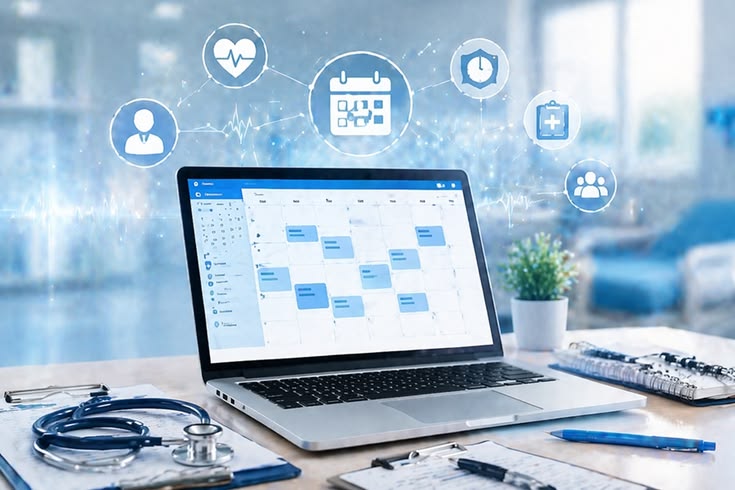

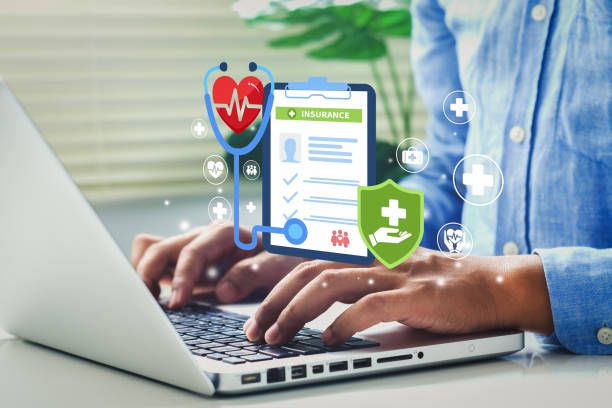
Healthcare is evolving beyond traditional treatment models to focus more on the individual needs, preferences, and experiences of patients. This approach, known as patient-centered care, places patients at the heart of every healthcare decision and interaction. Healthcare providers are increasingly adopting digital tools that help them deliver more personalized, efficient, and responsive care. One of the most effective technologies supporting this transformation is Healthcare Customer Relationship Management (CRM) software.
Understanding How Healthcare CRM Supports Patient-Centered Care is essential for healthcare organizations seeking to improve patient satisfaction, strengthen relationships, and achieve better health outcomes. By centralizing patient information, enhancing communication, and enabling personalized interactions, healthcare CRM systems help create a more connected and patient-focused healthcare environment.
What Is Patient-Centered Care?
Patient-centered care is a healthcare approach that emphasizes respect for patients’ individual needs, values, preferences, and goals. Rather than focusing solely on clinical treatment, patient-centered care encourages collaboration between healthcare providers and patients throughout the healthcare journey.
Key principles of patient-centered care include:
- Respect for patient preferences
- Clear communication
- Shared decision-making
- Emotional support
- Coordinated care
- Easy access to healthcare services
- Continuous patient engagement
Healthcare CRM platforms provide the tools needed to support these principles and improve the overall patient experience.
What Is a Healthcare CRM?
A Healthcare CRM is a specialized software solution designed to manage patient relationships, communication, appointment scheduling, and healthcare data. It helps healthcare organizations maintain comprehensive patient profiles and improve interactions across every stage of care.
Healthcare CRM systems centralize patient information, making it easier for healthcare professionals to access relevant data, coordinate services, and provide personalized support.
Creating a Complete View of the Patient
One of the most important ways healthcare CRM supports patient-centered care is by creating a comprehensive patient profile.
Healthcare CRM systems consolidate information such as:
- Contact details
- Appointment history
- Communication records
- Treatment information
- Patient preferences
- Feedback and interactions
Having a complete view of the patient allows healthcare providers to better understand individual needs and deliver more personalized care experiences.
Enhancing Patient Communication
Effective communication is a cornerstone of patient-centered care. Patients want timely information, clear instructions, and convenient ways to interact with healthcare providers.
Healthcare CRM systems improve communication through:
- Appointment reminders
- Follow-up messages
- Health education content
- Preventive care notifications
- Wellness updates
- Patient surveys
Automated and personalized communication helps patients stay informed and engaged throughout their healthcare journey.
Supporting Personalized Care Experiences
Every patient has unique healthcare needs and expectations. Healthcare CRM software helps providers tailor their services by using patient-specific information to guide interactions and care plans.
With access to detailed patient profiles, healthcare teams can:
- Personalize communication
- Recommend relevant healthcare services
- Provide targeted educational materials
- Schedule appropriate follow-up care
- Address individual concerns more effectively
Personalized experiences help patients feel valued and supported, contributing to greater satisfaction and trust.
Improving Patient Engagement
Engaged patients are more likely to follow treatment plans, attend appointments, and actively participate in their healthcare decisions.
Healthcare CRM platforms promote engagement by providing consistent communication and easy access to important information. Patients receive reminders, updates, and educational resources that encourage them to take an active role in managing their health.
Higher engagement often leads to improved treatment adherence and better health outcomes.
Facilitating Care Coordination
Patient-centered care requires collaboration among multiple healthcare professionals and departments. Healthcare CRM systems improve care coordination by providing a centralized source of patient information.
Authorized healthcare teams can access updated records, communication histories, and care plans, ensuring everyone involved in patient care has the information they need.
Improved coordination reduces delays, prevents communication gaps, and creates a smoother healthcare experience for patients.
Supporting Shared Decision-Making
Patients increasingly want to participate in decisions about their healthcare. Healthcare CRM systems support shared decision-making by helping providers deliver relevant information and maintain open communication channels.
When healthcare professionals have access to complete patient histories and preferences, they can engage patients in meaningful discussions about treatment options and healthcare goals.
This collaborative approach strengthens the patient-provider relationship and promotes more informed healthcare decisions.
Streamlining Administrative Processes
Administrative challenges can negatively affect the patient experience. Long wait times, scheduling issues, and communication delays often create frustration for patients.
Healthcare CRM software helps streamline administrative tasks such as:
- Appointment scheduling
- Patient registration
- Follow-up management
- Communication tracking
- Record maintenance
By reducing administrative inefficiencies, healthcare organizations can provide faster and more convenient services.
Enabling Proactive Patient Care
Patient-centered care extends beyond treating illnesses. It also involves proactive efforts to support long-term health and wellness.
Healthcare CRM systems help organizations identify opportunities for preventive care by tracking patient interactions, appointments, and healthcare needs.
Providers can use CRM tools to:
- Send preventive care reminders
- Encourage health screenings
- Promote wellness programs
- Monitor follow-up compliance
- Maintain ongoing patient engagement
Proactive care initiatives contribute to better health outcomes and stronger patient relationships.
Collecting and Utilizing Patient Feedback
Understanding patient experiences is essential for improving healthcare services.
Healthcare CRM systems make it easier to collect patient feedback through surveys, reviews, and communication channels. Organizations can analyze this information to identify strengths, address concerns, and enhance service quality.
Actively listening to patients demonstrates a commitment to patient-centered care and continuous improvement.
Strengthening Patient Trust and Loyalty
Trust is one of the most important elements of successful healthcare relationships. Patients are more likely to remain loyal to providers who communicate effectively, understand their needs, and deliver personalized care.
Healthcare CRM software supports trust-building by ensuring consistent communication, accurate record management, and responsive service delivery.
Strong patient relationships often result in increased satisfaction, improved retention, and positive healthcare experiences.
Leveraging Data for Better Outcomes
Healthcare CRM systems provide valuable insights into patient behavior, engagement levels, and healthcare trends. These insights enable healthcare organizations to make informed decisions that support patient-centered strategies.
Data-driven improvements can help organizations enhance communication, optimize workflows, and develop more effective patient engagement programs.
As healthcare becomes increasingly focused on personalized care, data-driven decision-making will continue to play a critical role.
The Future of Patient-Centered Care with Healthcare CRM
As digital healthcare technologies continue to advance, healthcare CRM systems will become even more important in supporting patient-centered care. Emerging technologies such as artificial intelligence, predictive analytics, and automation will further enhance the ability of healthcare providers to anticipate patient needs and deliver highly personalized experiences.
Organizations that embrace these innovations will be better positioned to provide efficient, compassionate, and patient-focused healthcare services.
Understanding How Healthcare CRM Supports Patient-Centered Care highlights the vital role technology plays in modern healthcare delivery. By improving communication, enhancing patient engagement, supporting personalized interactions, streamlining administrative processes, and facilitating coordinated care, healthcare CRM systems help healthcare organizations place patients at the center of every decision.
As patient expectations continue to evolve, healthcare providers that invest in CRM technology can create stronger relationships, improve satisfaction, and deliver better healthcare outcomes. Patient-centered care is no longer just a healthcare philosophy—it is a practical approach supported by powerful CRM solutions that help organizations provide exceptional care experiences.