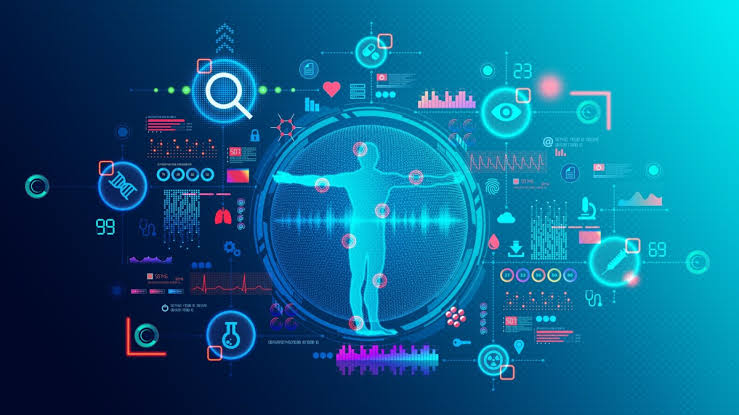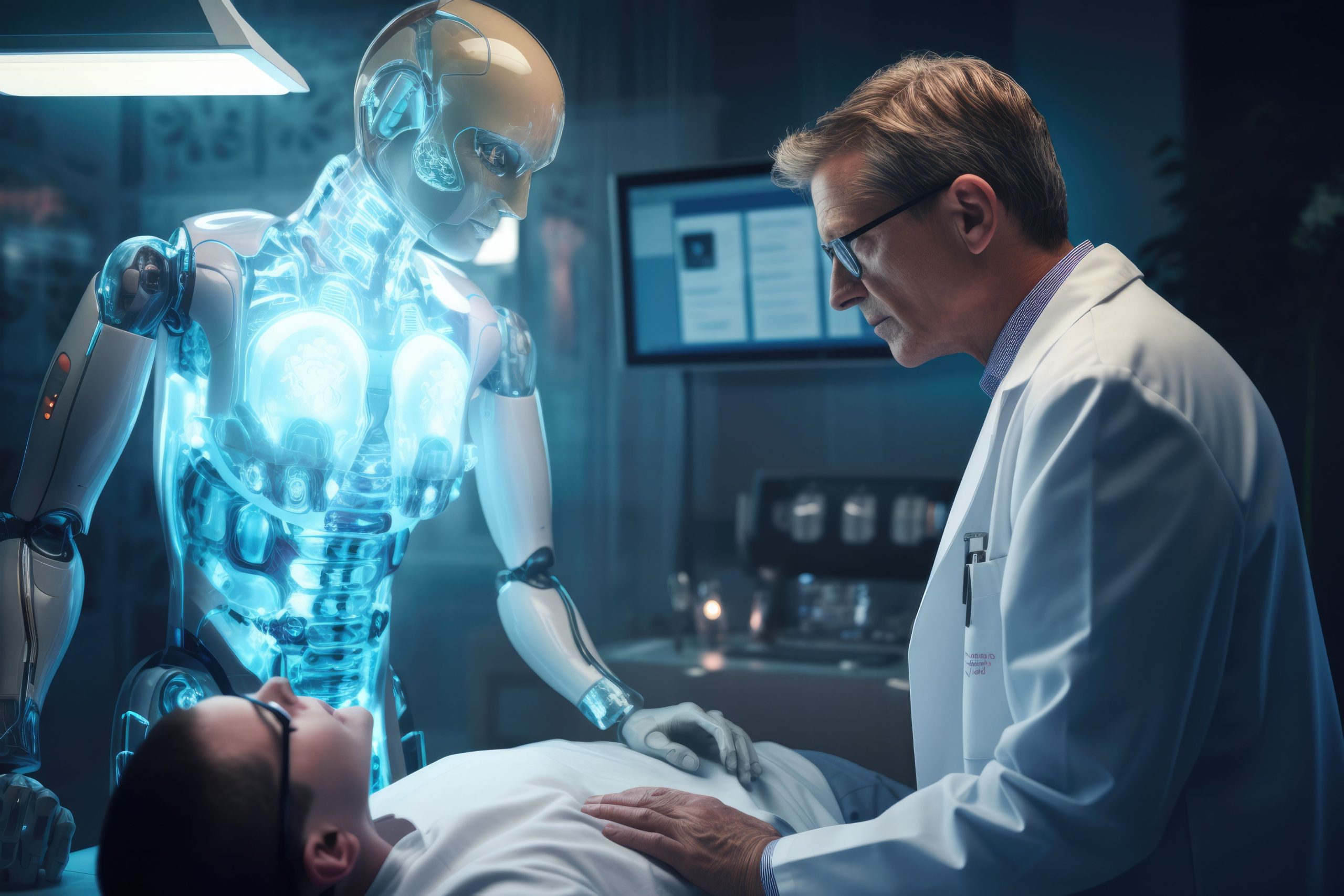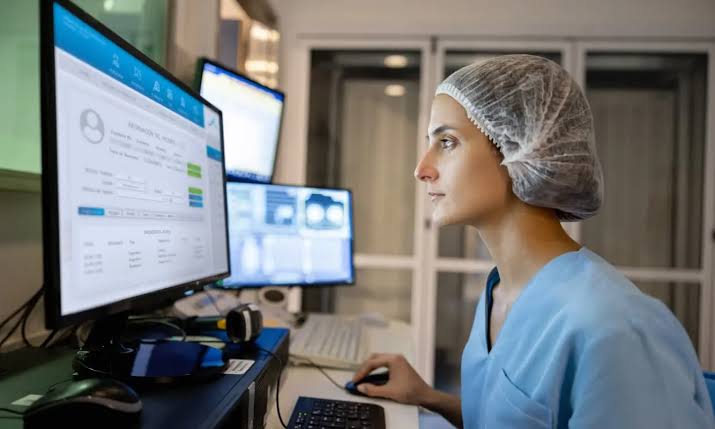
The healthcare industry in the UAE is rapidly evolving as hospitals move toward fully digital, integrated, and patient-centered ecosystems. Increasing patient expectations, rising operational complexity, and the need for real-time data access are driving healthcare providers to adopt advanced digital platforms. In this transformation, a hospital information system has become a core foundation for modern healthcare delivery, enabling hospitals to streamline operations, improve clinical accuracy, and enhance overall patient care.

Digital Transformation in UAE Healthcare Sector
Healthcare institutions across the UAE are embracing technology to improve efficiency and service quality. A hospital information system UAE environment enables hospitals to integrate clinical, administrative, and financial processes into a unified digital framework. This helps eliminate fragmented workflows, reduces manual errors, and ensures that all departments operate with synchronized data access.
In highly advanced healthcare hubs such as Dubai, digital adoption is even more accelerated. A hospital information system Dubai solution supports healthcare providers in managing high patient volumes while maintaining speed, accuracy, and service quality. Hospitals can process appointments faster, manage patient records efficiently, and ensure smooth coordination between departments.
Core Role of HIS in Modern Hospitals
Modern hospitals require systems that can handle large-scale operations with precision and reliability. HIS software UAE solutions serve as the operational backbone of healthcare facilities by integrating essential functions such as electronic medical records, laboratory systems, pharmacy management, billing, and appointment scheduling into a single platform.
This integration ensures that healthcare professionals have immediate access to accurate patient data, which improves diagnostic accuracy and treatment efficiency. It also reduces duplication of tests and prevents delays in patient care, resulting in better healthcare outcomes.
Enhancing Hospital Operations and Management
Efficient hospital administration is essential for delivering high-quality healthcare services. A hospital management system Dubai helps streamline daily operations by automating routine tasks such as patient registration, discharge processes, billing workflows, and insurance approvals.
By reducing manual workload, hospital staff can focus more on patient care and less on administrative processes. This leads to improved productivity, reduced operational costs, and better coordination between medical teams. Additionally, real-time dashboards and analytics allow hospital administrators to monitor performance and make data-driven decisions.
Strengthening Healthcare Infrastructure with Digital Systems

A hospital software UAE solution plays a vital role in strengthening healthcare infrastructure by replacing traditional paper-based systems with advanced digital platforms. These systems enable hospitals to store, manage, and retrieve patient information quickly and securely.
Digital automation also improves communication between departments such as radiology, pathology, and outpatient services. This ensures faster diagnosis, timely treatment, and improved patient satisfaction. Furthermore, hospitals benefit from better resource utilization, as staff schedules, equipment usage, and patient flow can be optimized efficiently.
Creating a Connected Healthcare Ecosystem
A healthcare information system UAE is designed to create a fully connected healthcare ecosystem where patient data flows seamlessly between departments, clinics, and healthcare providers. This connectivity ensures continuity of care, especially for patients undergoing long-term treatment or visiting multiple specialists.
With integrated systems, healthcare professionals can access complete patient histories, reducing the risk of misdiagnosis and unnecessary repetition of medical tests. This not only improves clinical outcomes but also enhances patient trust in the healthcare system.
Improving Patient Experience and Service Delivery
One of the most significant advantages of digital hospital systems is the improvement in patient experience. Faster appointment scheduling, reduced waiting times, and accurate medical record access contribute to smoother healthcare journeys.
Doctors benefit from real-time access to comprehensive patient data, enabling them to make faster and more informed decisions. This leads to personalized treatment plans and improved recovery rates. Additionally, automated communication tools ensure that patients receive timely reminders and updates regarding their appointments and treatments.
Data Security and Regulatory Compliance
As healthcare systems become increasingly digital, data security has become a top priority. Modern hospital platforms include advanced security features such as encryption, role-based access control, audit trails, and secure authentication systems.
These measures ensure that sensitive patient information remains protected from unauthorized access and cyber threats. At the same time, healthcare institutions must comply with strict regulatory frameworks, ensuring that data handling practices meet both national and international healthcare standards.
Future of Intelligent Hospital Information Systems
The future of healthcare technology is being shaped by artificial intelligence, machine learning, and predictive analytics. These technologies enable hospital systems to analyze patient data and predict trends such as admission rates, disease risks, and resource requirements.
Automation further enhances efficiency by reducing manual intervention in administrative processes. Telemedicine integration is also becoming a key component of modern hospital systems, allowing patients to receive consultations remotely and improving healthcare accessibility.

Get Started with the Leading Hospital Information System in Dubai
The journey toward a more efficient, connected, and technology-driven healthcare future for hospitals in Dubai begins with the right digital foundation. A modern hospital information system empowers healthcare providers to streamline operations, enhance clinical workflows, and deliver superior patient care. It is the key to building a fully integrated and intelligent healthcare environment across the UAE.
Frequently Asked Questions (FAQs)
Q. What is a Hospital Information System (HIS)?
A. A Hospital Information System (HIS) is a digital platform that manages all hospital operations, including patient records, billing, appointments, laboratory data, pharmacy management, and reporting, in a centralized system.
Q. How is HIS transforming healthcare in Dubai and UAE?
A. HIS is modernizing healthcare in Dubai and the UAE by improving patient data management, reducing paperwork, enhancing diagnosis speed, and enabling seamless communication between departments and healthcare providers.
Q. Why is Hospital Information System important for hospitals?
It helps hospitals improve efficiency, reduce human errors, streamline workflows, and deliver faster and more accurate patient care while maintaining compliance with healthcare regulations.
Q. Is HIS used in both private and government hospitals in UAE?
A. Yes, both private clinics and government healthcare facilities in the UAE widely use HIS to ensure standardized, high-quality, and connected healthcare services.
Q. How does HIS improve patient care?
A. HIS allows doctors to access complete patient history instantly, helping in accurate diagnosis, faster treatment decisions, and better overall patient outcomes.
Q. What are the key features of a modern HIS?
A. A modern HIS includes electronic medical records (EMR), appointment scheduling, billing systems, laboratory information systems, pharmacy management, and real-time reporting dashboards.
Q. Is Hospital Information System secure for patient data?
A. Yes, advanced HIS platforms use encryption, multi-level authentication, and strict access controls to ensure patient data privacy and compliance with healthcare regulations in the UAE.
Q. How does HIS reduce hospital operational costs?
A. It minimizes paperwork, reduces administrative workload, prevents duplicate tests, and improves resource utilization, which significantly lowers operational costs.
Q. Can HIS integrate with mobile applications?
A. Yes, modern HIS platforms are mobile-friendly and can integrate with healthcare apps, allowing doctors and patients to access information anytime, anywhere.
Q. What is the future of Hospital Information Systems in Dubai?
A. The future includes AI-powered diagnostics, cloud-based systems, telemedicine integration, predictive analytics, and fully automated hospital workflows.