
AI-Driven Diagnosis Support Using Healthcare CRM Integration
The healthcare industry is rapidly evolving as advanced technologies reshape how medical professionals diagnose, treat, and manage patient care. Among

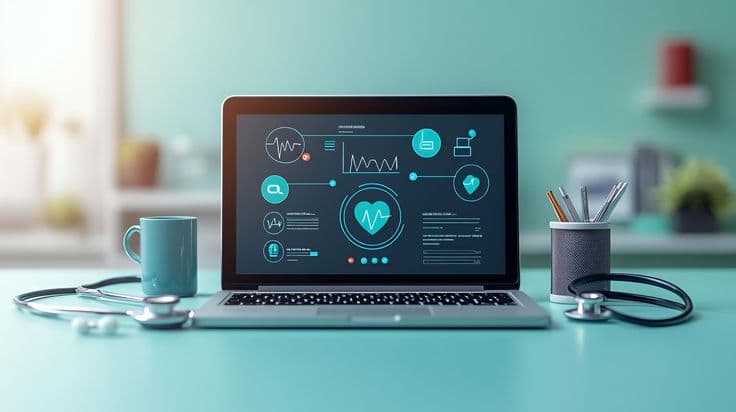
The healthcare industry is rapidly evolving as advanced technologies reshape how medical professionals diagnose, treat, and manage patient care. Among the most impactful innovations is artificial intelligence (AI), which is transforming clinical decision-making and improving patient outcomes. When AI capabilities are integrated with healthcare Customer Relationship Management (CRM) systems, healthcare providers gain a powerful tool for managing patient data and supporting accurate diagnoses. AI-driven diagnosis support using Healthcare CRM integration is becoming a vital component of modern healthcare systems, enabling faster, smarter, and more personalized medical care.
The Growing Role of AI in Healthcare
Artificial intelligence has significantly influenced healthcare by enabling machines to analyze vast amounts of medical data quickly and accurately. AI technologies such as machine learning, predictive analytics, and natural language processing help healthcare providers detect patterns, identify potential health risks, and support early disease detection.
Traditionally, diagnosing complex medical conditions required analyzing patient history, symptoms, test results, and other data sources manually. This process could be time-consuming and sometimes prone to oversight. AI-powered systems can process and analyze these data points in seconds, providing healthcare professionals with insights that support clinical decision-making.
However, AI tools become even more powerful when connected to centralized patient management systems like Healthcare CRM platforms.
Understanding Healthcare CRM Systems
A Healthcare Customer Relationship Management (CRM) system is designed to manage patient relationships, communication, and data efficiently. Unlike traditional CRM platforms used in sales and marketing, healthcare CRMs focus on patient engagement, appointment management, treatment tracking, and compliance with healthcare regulations.
Healthcare CRM platforms store patient demographics, medical history, communication records, and appointment details in one centralized system. This unified view of patient information enables healthcare providers to deliver more coordinated and personalized care.
When AI technologies are integrated into these CRM systems, they enhance the platform’s capabilities by analyzing patient data and providing predictive insights that support accurate diagnoses.
How AI-Driven Diagnosis Support Works with Healthcare CRM
1. Centralized Patient Data Analysis
One of the main advantages of healthcare CRM integration is the ability to collect and organize patient data from multiple sources, including electronic health records, laboratory results, imaging reports, and patient interactions.
AI algorithms can analyze this centralized data to detect patterns, identify risk factors, and highlight potential health concerns. For example, AI may detect early warning signs of chronic diseases such as diabetes or cardiovascular conditions by analyzing trends in patient records stored within the CRM system.
2. Predictive Analytics for Early Detection
Predictive analytics is a powerful AI capability that helps healthcare providers anticipate potential health problems before they become severe. By analyzing historical patient data within the CRM, AI models can predict disease risks and alert healthcare providers to possible conditions that require further evaluation.
Early detection allows doctors to take preventive measures, recommend lifestyle changes, or begin treatment sooner, ultimately improving patient outcomes and reducing healthcare costs.
3. Clinical Decision Support
AI-powered tools integrated with healthcare CRM platforms can assist healthcare professionals during the diagnostic process. By analyzing patient symptoms, medical history, and clinical data, AI systems can suggest possible diagnoses or recommend additional tests.
These recommendations do not replace physicians but act as decision-support tools that help clinicians evaluate multiple possibilities quickly and accurately. This collaborative approach between AI and healthcare professionals improves diagnostic precision and efficiency.
4. Personalized Patient Insights
Healthcare CRM systems already store detailed information about individual patients. When AI analyzes this data, it can generate personalized health insights based on each patient’s unique profile.
For instance, AI can identify patients at higher risk for certain conditions and recommend targeted screenings or preventive care programs. These insights allow healthcare providers to offer more personalized treatment strategies and proactive care.
5. Continuous Monitoring and Follow-Up
AI-driven healthcare CRM systems can also support ongoing patient monitoring and follow-up care. By analyzing patient interactions, test results, and health trends, AI can notify healthcare providers when a patient requires further evaluation or follow-up appointments.
Automated reminders and alerts ensure that patients remain engaged with their treatment plans and receive timely care when necessary.
Benefits of AI-Driven Diagnosis Support Using Healthcare CRM Integration
Integrating AI technologies with healthcare CRM systems offers several advantages for both healthcare providers and patients.
Improved Diagnostic Accuracy: AI algorithms analyze large datasets and detect patterns that may not be immediately visible to clinicians, improving diagnostic precision.
Faster Decision-Making: Automated data analysis helps healthcare professionals make faster and more informed clinical decisions.
Enhanced Patient Engagement: CRM systems combined with AI insights allow healthcare providers to communicate personalized health recommendations and follow-up care plans.
Early Disease Detection: Predictive analytics helps identify potential health issues early, enabling preventive treatment and better long-term outcomes.
Operational Efficiency: Automation reduces administrative workload and allows healthcare staff to focus more on patient care.
Challenges and Considerations
While AI-driven diagnosis support offers many benefits, healthcare organizations must also address certain challenges when implementing these technologies.
Data privacy and security remain critical concerns, as patient information must be protected according to healthcare regulations and compliance standards. Healthcare organizations must ensure that CRM systems and AI platforms maintain strict data protection protocols.
Another consideration is the need for proper training. Healthcare professionals should understand how AI recommendations work and how to interpret them correctly. AI should always be used as a support tool rather than a replacement for clinical expertise.
The Future of AI and Healthcare CRM
The integration of AI and healthcare CRM platforms represents a major step toward smarter and more patient-centered healthcare systems. As AI technologies continue to evolve, healthcare CRM platforms will become even more powerful tools for predictive healthcare, personalized treatment, and improved patient engagement.
Future developments may include advanced AI models capable of analyzing real-time patient data from wearable devices, remote monitoring systems, and telehealth platforms. This level of integration will allow healthcare providers to deliver more proactive and preventive care.
Conclusion
AI-driven diagnosis support using Healthcare CRM integration is transforming how healthcare providers manage patient information and make clinical decisions. By combining the analytical power of artificial intelligence with the organizational capabilities of CRM systems, healthcare organizations can improve diagnostic accuracy, detect diseases earlier, and deliver more personalized care.
As healthcare continues to embrace digital transformation, the integration of AI with healthcare CRM platforms will play a crucial role in building smarter, more efficient, and patient-focused healthcare systems for the future.
The Doctorna editorial desk writes about healthcare operations, patient experience and the systems clinics use to connect them.