
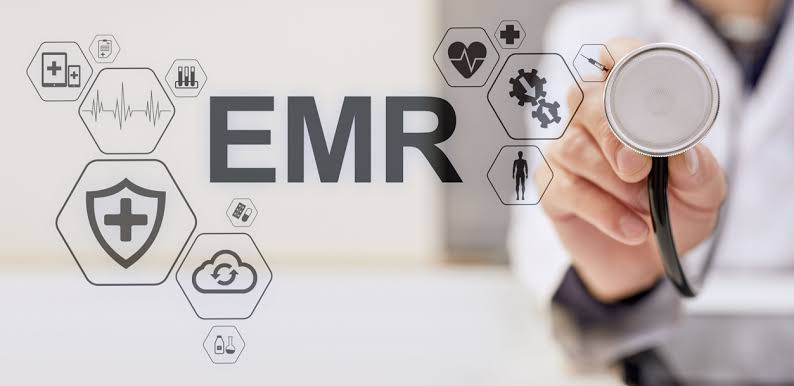
The healthcare industry is rapidly embracing digital technologies to improve patient care, increase operational efficiency, and simplify clinical workflows. Among these advancements, Electronic Medical Record (EMR) software has become an essential tool for hospitals, clinics, and healthcare professionals. Understanding the Benefits of EMR Software for Healthcare Providers helps organizations recognize how digital record management improves healthcare delivery while supporting better clinical and administrative decision-making.
EMR software replaces traditional paper-based medical records with secure digital records that can be accessed quickly by authorized healthcare professionals. By improving the accuracy, accessibility, and organization of patient information, EMR systems enable providers to deliver faster, safer, and more coordinated care.
What Is EMR Software?
Electronic Medical Record (EMR) software is a digital system used to create, store, manage, and update patient medical records within a healthcare organization. It centralizes patient information, making it easily accessible to authorized medical staff whenever needed.
Typical information stored in an EMR includes:
- Patient demographics
- Medical history
- Diagnoses
- Medications
- Allergies
- Laboratory results
- Imaging reports
- Treatment plans
- Clinical notes
- Vaccination records
Having complete patient information in one secure location improves continuity of care and supports informed medical decisions.
Why EMR Software Is Important
Traditional paper records can be difficult to organize, retrieve, and update. Missing files, duplicate records, and illegible handwriting may delay treatment and increase the risk of errors.
EMR software addresses these challenges by providing:
- Instant access to records
- Accurate documentation
- Secure data storage
- Improved communication
- Faster workflows
- Better patient management
These improvements contribute to higher-quality healthcare services and more efficient clinical operations.
Improving Patient Care
One of the greatest Benefits of EMR Software for Healthcare Providers is its ability to enhance patient care.
Healthcare professionals can quickly review complete patient histories, helping them make accurate clinical decisions.
EMR software supports patient care by:
- Providing real-time access to medical records
- Tracking patient progress
- Reducing duplicate tests
- Improving diagnosis accuracy
- Supporting personalized treatment plans
- Coordinating care among healthcare teams
Access to comprehensive patient information enables providers to deliver timely and effective treatment.
Streamlining Clinical Workflows
Healthcare providers manage numerous administrative and clinical tasks every day.
EMR software simplifies workflows by automating processes such as:
- Patient registration
- Clinical documentation
- Prescription management
- Appointment scheduling
- Laboratory requests
- Billing integration
Automation reduces paperwork, minimizes administrative burdens, and allows healthcare professionals to spend more time with patients.
Enhancing Data Accuracy
Accurate medical records are essential for safe and effective healthcare.
EMR software improves data quality by:
- Standardizing documentation
- Reducing manual entry errors
- Preventing duplicate patient records
- Maintaining consistent clinical information
- Providing automatic updates
Improved accuracy reduces clinical risks and enhances patient safety.
Supporting Better Clinical Decisions
Healthcare providers rely on complete and accurate information to make informed decisions.
EMR systems assist clinical decision-making by providing:
- Complete patient histories
- Medication lists
- Allergy alerts
- Diagnostic reports
- Previous treatment records
- Preventive care reminders
Having immediate access to relevant information supports more confident and efficient medical decisions.
Improving Communication Among Healthcare Teams
Modern healthcare often involves collaboration between multiple departments and specialists.
EMR software enables secure information sharing among:
- Physicians
- Nurses
- Pharmacists
- Laboratory staff
- Radiologists
- Administrative personnel
Improved communication enhances care coordination and reduces treatment delays.
Increasing Patient Safety
Patient safety is a primary goal for every healthcare provider.
EMR software improves safety through:
- Medication interaction alerts
- Allergy notifications
- Standardized clinical documentation
- Accurate patient identification
- Decision support tools
- Automated reminders
These features help reduce preventable medical errors and improve treatment outcomes.
Strengthening Data Security
Patient records contain highly sensitive information that must be protected.
Modern EMR software includes advanced security features such as:
- Role-based user access
- Multi-factor authentication
- Data encryption
- Audit trails
- Secure backups
- Regular security updates
Strong security measures help maintain patient confidentiality and comply with healthcare privacy regulations.
Improving Operational Efficiency
EMR software helps healthcare organizations optimize daily operations.
Benefits include:
- Faster patient registration
- Reduced paperwork
- Improved scheduling
- Better resource management
- Efficient documentation
- Simplified reporting
Operational improvements increase productivity while reducing administrative costs.
Supporting Regulatory Compliance
Healthcare organizations must comply with various legal and industry standards regarding patient data management.
EMR software assists by:
- Maintaining complete documentation
- Recording audit logs
- Supporting standardized reporting
- Securing patient information
- Simplifying compliance monitoring
Digital record management makes regulatory compliance easier and more efficient.
Reducing Healthcare Costs
EMR software contributes to cost savings by reducing manual processes and improving resource utilization.
Cost-saving benefits include:
- Lower paper usage
- Reduced storage requirements
- Fewer duplicate diagnostic tests
- Improved billing accuracy
- Better workflow efficiency
- Reduced administrative labor
Long-term savings make EMR software a valuable investment for healthcare providers.
Supporting Future Healthcare Innovation
Healthcare technology continues to evolve with artificial intelligence, predictive analytics, telemedicine, and remote patient monitoring.
Modern EMR systems provide a strong digital foundation for integrating these innovations, allowing healthcare providers to deliver more personalized, efficient, and proactive care.
Scalable EMR platforms also support interoperability, enabling secure information exchange between different healthcare systems and improving continuity of care.
Best Practices for Successful EMR Implementation
Healthcare organizations can maximize the benefits of EMR software by following these best practices:
- Select a scalable and user-friendly EMR solution.
- Train healthcare staff thoroughly.
- Protect patient data with strong security measures.
- Integrate EMR with existing healthcare systems.
- Regularly update software.
- Monitor system performance.
- Encourage staff feedback.
- Continuously optimize clinical workflows.
Proper planning and ongoing support help ensure successful EMR adoption.