

In today’s healthcare environment, patient care goes beyond diagnosis and treatment. Patients now expect personalized experiences, consistent communication, and long-term engagement from healthcare providers. This shift has made Healthcare CRM (Customer Relationship Management) systems an essential tool for hospitals, clinics, and medical organizations looking to strengthen patient loyalty and improve overall care experiences.
Understanding Healthcare CRM: Building Long-Term Patient Relationships is crucial for healthcare providers aiming to create meaningful patient connections that extend beyond a single visit. By using CRM systems effectively, healthcare organizations can improve communication, increase patient satisfaction, and encourage long-term trust and retention.
The Importance of Long-Term Patient Relationships
Strong patient relationships are the foundation of quality healthcare services. When patients trust their healthcare providers, they are more likely to follow treatment plans, attend follow-up appointments, and engage actively in their healthcare journey.
Long-term patient relationships provide several benefits, including:
- Increased patient retention
- Better treatment adherence
- Higher patient satisfaction
- Improved healthcare outcomes
- Stronger reputation and referrals
Healthcare CRM systems help healthcare providers maintain these relationships by centralizing patient information and enabling personalized interactions throughout the patient lifecycle.
How Healthcare CRM Supports Patient Relationship Management
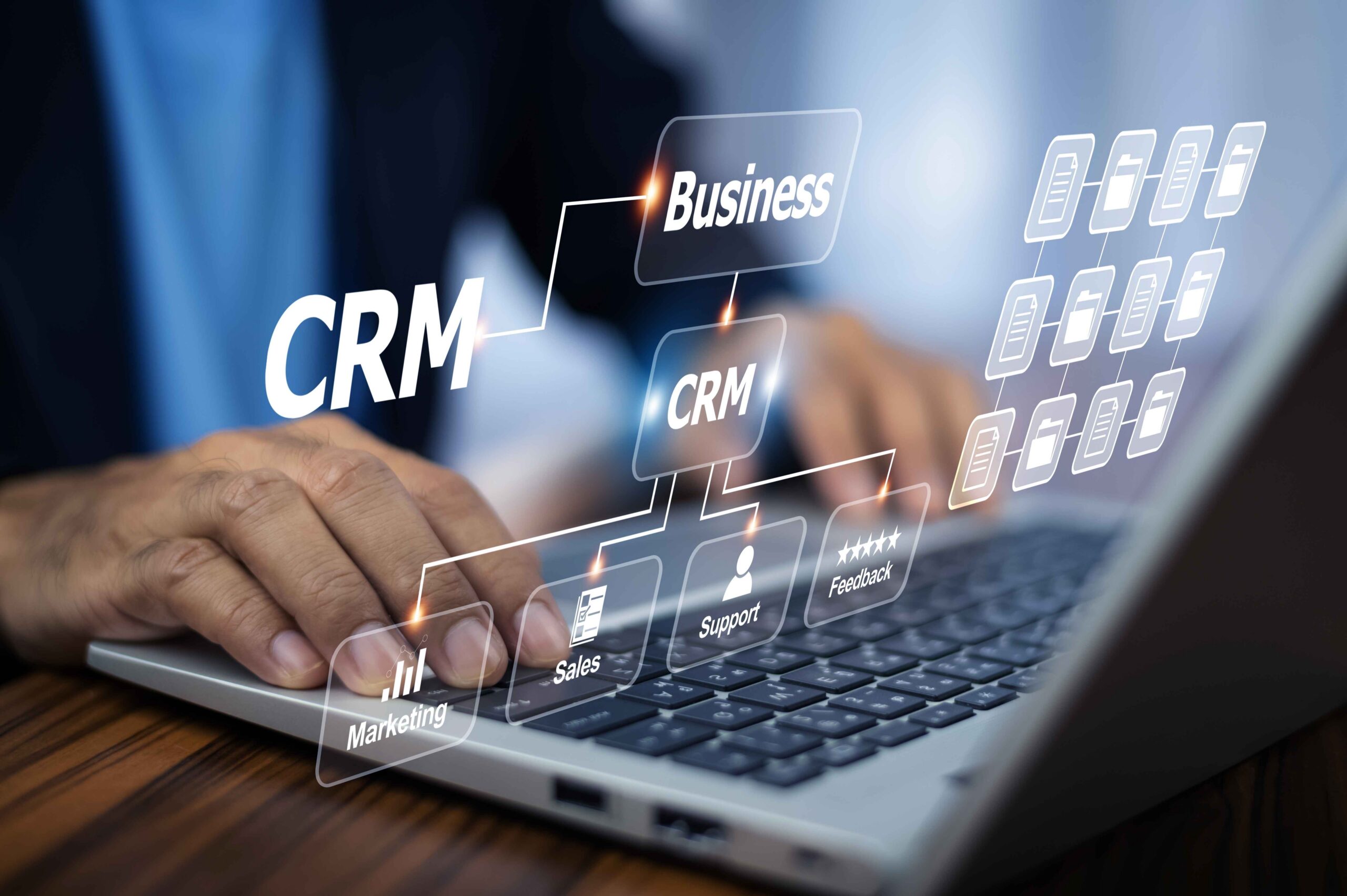
Healthcare CRM systems are designed to manage every interaction between healthcare providers and patients. From appointment scheduling to post-treatment follow-ups, the CRM stores and organizes patient data to create a complete view of each individual.
This centralized system allows providers to:
- Track patient communication history
- Personalize healthcare interactions
- Monitor patient preferences and needs
- Automate reminders and follow-ups
- Improve coordination across departments
By understanding patient behavior and engagement patterns, healthcare organizations can provide more patient-centered care.
Personalized Communication Improves Trust
One of the most effective ways to build long-term patient relationships is through personalized communication. Patients appreciate healthcare providers who understand their medical history, preferences, and concerns.
Healthcare CRM systems enable personalized communication by storing important patient details such as:
- Medical history
- Appointment records
- Preferred communication channels
- Treatment plans
- Follow-up schedules
Using this information, healthcare providers can send tailored appointment reminders, wellness tips, medication alerts, and health recommendations. Personalized communication makes patients feel valued and strengthens trust over time.
Automated Follow-Ups Enhance Patient Engagement
Many healthcare providers struggle to maintain communication after treatment or consultation. This can lead to missed appointments, poor treatment adherence, and reduced patient satisfaction.
Healthcare CRM systems solve this problem through automated follow-up workflows. These systems can automatically send:
- Appointment reminders
- Post-treatment care instructions
- Medication refill notifications
- Preventive health screening reminders
- Patient satisfaction surveys
Consistent follow-up communication helps patients stay engaged in their healthcare journey and demonstrates ongoing care and attention.
Creating a Seamless Patient Experience
Patients expect convenience and efficiency when interacting with healthcare providers. Delays, communication gaps, or disorganized processes can negatively affect patient relationships.
Healthcare CRM systems improve the patient experience by streamlining interactions across multiple channels, including:
- Phone calls
- Emails
- SMS notifications
- Patient portals
- Mobile applications
A seamless experience reduces frustration and ensures patients receive timely information and support throughout their healthcare journey.
Strengthening Patient Loyalty Through Engagement
Patient loyalty is built through continuous engagement and positive experiences. Healthcare CRM systems make it easier for providers to stay connected with patients even when they are not actively seeking treatment.
Providers can use CRM tools to:
- Share educational healthcare content
- Send wellness and preventive care tips
- Inform patients about new healthcare services
- Offer seasonal health campaigns
- Celebrate patient milestones and anniversaries
Regular engagement keeps healthcare providers connected with patients and reinforces long-term loyalty.
Improving Care Coordination Across Departments
In larger healthcare organizations, patients often interact with multiple departments and specialists. Poor coordination between departments can lead to confusion, repeated tests, or inconsistent communication.
Healthcare CRM systems centralize patient information, allowing all authorized healthcare professionals to access updated records and communication history. This improves collaboration among departments and ensures patients receive consistent and coordinated care.
Better care coordination contributes to stronger patient trust and improved healthcare experiences.
Using Patient Feedback to Strengthen Relationships
Patient feedback is essential for understanding patient expectations and improving services. Healthcare CRM systems allow organizations to collect and analyze feedback through surveys, reviews, and communication channels.
By tracking feedback, healthcare providers can:
- Identify service improvement opportunities
- Resolve patient concerns quickly
- Monitor satisfaction levels
- Improve operational efficiency
When patients see that their opinions are valued and acted upon, they are more likely to develop long-term trust in the healthcare provider.
Data Security Builds Patient Confidence
Trust is a critical component of long-term patient relationships, and protecting patient data is essential for maintaining that trust. Healthcare CRM systems must include strong security measures to safeguard sensitive medical information.
Important security features include:
- Data encryption
- Role-based access control
- Secure authentication systems
- Regular system monitoring
- Compliance with healthcare privacy regulations
Ensuring patient data privacy reassures patients that their information is handled responsibly and securely.
Leveraging Analytics for Better Patient Relationship Strategies
Modern Healthcare CRM systems provide advanced analytics tools that help healthcare providers understand patient behavior and engagement trends.
These insights can help organizations:
- Identify patients at risk of disengagement
- Track communication effectiveness
- Monitor patient retention rates
- Improve service delivery strategies
- Personalize future interactions
Data-driven decision-making allows healthcare organizations to continuously improve relationship management efforts.
The Future of Patient Relationship Management in Healthcare
As digital healthcare technologies continue to evolve, Healthcare CRM systems will play an even more significant role in patient relationship management. Artificial intelligence, predictive analytics, and automation will further enhance personalization and patient engagement.
Future Healthcare CRM systems may offer:
- AI-driven patient support
- Predictive health recommendations
- Virtual healthcare engagement tools
- Enhanced telehealth integration
- Real-time patient interaction analytics
Healthcare providers that invest in strong CRM strategies today will be better positioned to build lasting patient relationships in the future.
Conclusion
Understanding Healthcare CRM: Building Long-Term Patient Relationships is essential for healthcare organizations focused on improving patient satisfaction, engagement, and loyalty. By using CRM systems to personalize communication, automate follow-ups, coordinate care, and protect patient data, healthcare providers can create stronger and more meaningful patient connections.
Long-term patient relationships not only improve healthcare outcomes but also contribute to sustainable growth and a positive reputation in the healthcare industry. As healthcare continues to embrace digital transformation, CRM systems will remain a critical tool for delivering patient-centered care and building trust that lasts for years.