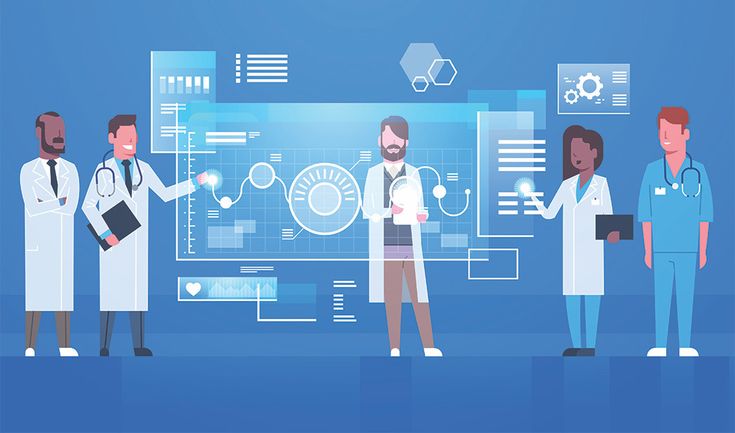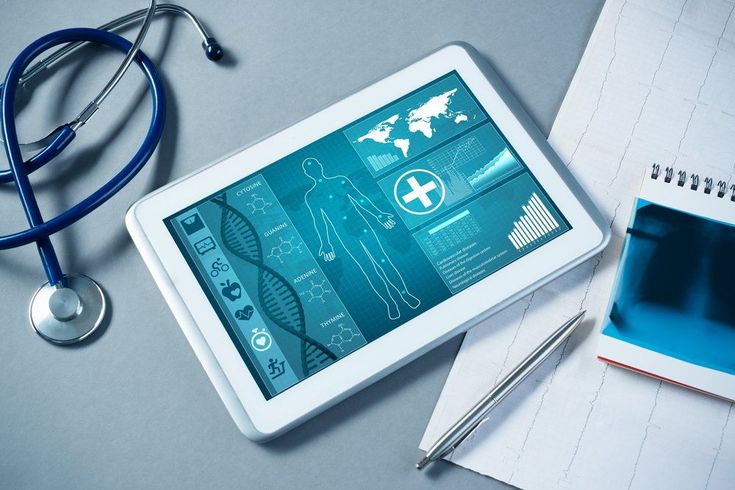


Artificial Intelligence (AI) is rapidly transforming the healthcare industry, and one of the most significant areas of impact is Healthcare CRM technology. Modern healthcare systems are no longer limited to storing patient data and managing appointments. With AI integration, CRM platforms are becoming intelligent systems that can predict patient needs, automate communication, and improve overall healthcare experiences. The How AI Is Changing Healthcare CRM Technology discussion highlights how this innovation is reshaping patient engagement, clinical efficiency, and healthcare outcomes.
Healthcare CRM (Customer Relationship Management) systems traditionally focused on managing patient interactions and improving communication. However, with AI capabilities, these systems have evolved into smart platforms that analyze data, automate tasks, and deliver highly personalized healthcare experiences.
Smarter Patient Data Analysis
One of the most powerful contributions of AI in Healthcare CRM is advanced data analysis. AI algorithms can process large volumes of patient data, including medical history, behavior patterns, appointment trends, and treatment responses.
Instead of manually analyzing records, healthcare providers can now rely on AI-driven insights to understand patient needs more accurately. This helps in early identification of health risks, better treatment planning, and improved patient satisfaction. Smarter data analysis is a key part of the How AI Is Changing Healthcare CRM Technology transformation.
Personalized Patient Experiences at Scale
AI enables healthcare CRM systems to deliver highly personalized experiences to thousands of patients simultaneously. By analyzing patient behavior, AI can recommend treatments, send tailored health tips, and suggest preventive care measures.
For example, a diabetic patient may receive personalized reminders about diet, medication, and follow-up checkups. This level of customization improves patient engagement and builds stronger trust between patients and healthcare providers.
Predictive Analytics for Better Healthcare Outcomes
Predictive analytics is one of the most impactful AI applications in healthcare CRM systems. AI can predict patient behavior, such as the likelihood of missed appointments, disease progression, or treatment non-compliance.
Hospitals and clinics can use these predictions to take proactive actions, such as sending reminders, scheduling follow-ups, or adjusting treatment plans. This not only improves operational efficiency but also leads to better health outcomes for patients.
Automated Communication and Chatbots
AI-powered chatbots and virtual assistants are revolutionizing patient communication. These tools can handle common queries, schedule appointments, provide medication reminders, and share test results instantly.
Patients no longer need to wait for staff responses for basic information. This instant support significantly improves the patient experience and reduces the workload on healthcare staff. Automated communication is a major highlight of the How AI Is Changing Healthcare CRM Technology shift.
Improved Appointment Management
AI enhances appointment scheduling by analyzing patient behavior, doctor availability, and historical data. It can suggest optimal time slots, reduce scheduling conflicts, and minimize patient waiting times.
AI also helps reduce no-shows by predicting which patients are likely to miss appointments and sending timely reminders or rescheduling options.
Enhanced Patient Segmentation
AI allows healthcare CRM systems to group patients into precise segments based on health conditions, age, behavior, and risk factors. This segmentation helps healthcare providers deliver targeted communication and treatment strategies.
For example, high-risk patients can receive more frequent follow-ups, while regular patients may receive routine check-ins. This improves efficiency and ensures better resource allocation.
Better Decision-Making for Healthcare Providers
AI-driven CRM systems provide actionable insights that help doctors and administrators make informed decisions. These insights include treatment effectiveness, patient satisfaction trends, and operational performance.
By using AI analytics, healthcare providers can identify gaps in service, optimize workflows, and improve overall healthcare delivery.
Reduced Administrative Burden
Healthcare professionals often spend a significant amount of time on administrative tasks such as data entry, appointment scheduling, and patient follow-ups. AI automation reduces this burden by handling repetitive tasks efficiently.
This allows medical staff to focus more on patient care rather than paperwork, improving both productivity and service quality.
Integration with Wearable Devices and IoT
AI-powered Healthcare CRM systems can integrate with wearable devices such as smartwatches and health trackers. These devices collect real-time patient data like heart rate, activity levels, and sleep patterns.
AI analyzes this data and alerts healthcare providers if any abnormalities are detected. This continuous monitoring improves preventive care and strengthens patient safety.
Enhanced Patient Engagement and Retention
AI helps healthcare CRM systems maintain continuous engagement with patients through personalized messages, reminders, and health updates.
Patients who feel consistently supported are more likely to stay loyal to a healthcare provider. This improves retention rates and builds long-term relationships.
Future of AI in Healthcare CRM
The future of Healthcare CRM technology is deeply connected with AI innovation. Emerging trends include:
- AI-driven virtual health assistants
- Predictive disease detection systems
- Hyper-personalized treatment plans
- Voice-enabled healthcare interactions
- Real-time health monitoring through smart devices
These advancements will make healthcare more proactive, efficient, and patient-focused.
Conclusion
The How AI Is Changing Healthcare CRM Technology transformation is reshaping the healthcare industry at every level. From predictive analytics and automation to personalized care and smart communication, AI is making Healthcare CRM systems more intelligent and effective.
Healthcare providers who adopt AI-powered CRM solutions are better equipped to improve patient satisfaction, streamline operations, and deliver high-quality care. In the future, AI will not just support Healthcare CRM—it will define it.