

In the ever-evolving healthcare industry, effective communication and patient engagement are critical for success. Healthcare providers are no longer limited to traditional methods of outreach; instead, they now rely on Customer Relationship Management (CRM) systems to manage data, build patient relationships, and run intelligent marketing campaigns.
But what exactly makes CRM data so powerful in healthcare marketing? The answer lies in its ability to transform raw patient information into actionable insights that help healthcare organizations connect with patients more personally, efficiently, and effectively.
This blog explores how CRM data enhances healthcare marketing campaigns, enabling healthcare organizations to deliver targeted, data-driven, and meaningful patient experiences.
Understanding CRM Data in Healthcare
A Healthcare CRM is a system designed to manage patient relationships, track interactions, and streamline communication across various touchpoints. Unlike general business CRMs, healthcare CRMs handle sensitive health data, appointment records, treatment preferences, and engagement histories.
The data collected by healthcare CRMs often includes:
- Demographic details (age, gender, location)
- Medical history and health conditions
- Appointment and communication history
- Insurance and billing information
- Engagement behavior (email opens, website visits, form fills)
By organizing and analyzing this data, healthcare providers gain a 360-degree view of their patients, which becomes the foundation for creating more personalized and impactful marketing campaigns.
The Role of CRM Data in Modern Healthcare Marketing
Modern healthcare marketing is no longer about generic advertising—it’s about building relationships and delivering personalized value. CRM data bridges the gap between patient needs and provider offerings.
Let’s explore how CRM data drives healthcare marketing success:
1. Personalized Patient Engagement
One of the biggest advantages of using CRM data is the ability to personalize communication. Patients expect healthcare providers to understand their specific needs, not just send mass messages.
For example, a CRM system can identify diabetic patients who have not scheduled their routine checkups and send them targeted reminders or educational content about managing blood sugar levels. Similarly, expectant mothers can receive week-by-week pregnancy care tips and appointment alerts.
Personalized outreach creates trust, increases engagement, and encourages patients to take proactive steps toward better health.
2. Improved Segmentation and Targeting
Healthcare CRM data allows organizations to segment patients into specific groups based on demographics, conditions, behavior, or interests. This segmentation ensures that each marketing message reaches the right audience.
For instance:
- Cardiology patients receive updates about heart health programs.
- Senior citizens are informed about wellness packages and preventive screenings.
- Young adults receive fitness, nutrition, and vaccination information.
By aligning marketing campaigns with patient segments, healthcare providers avoid irrelevant messaging and ensure higher response rates.
3. Data-Driven Campaign Decisions
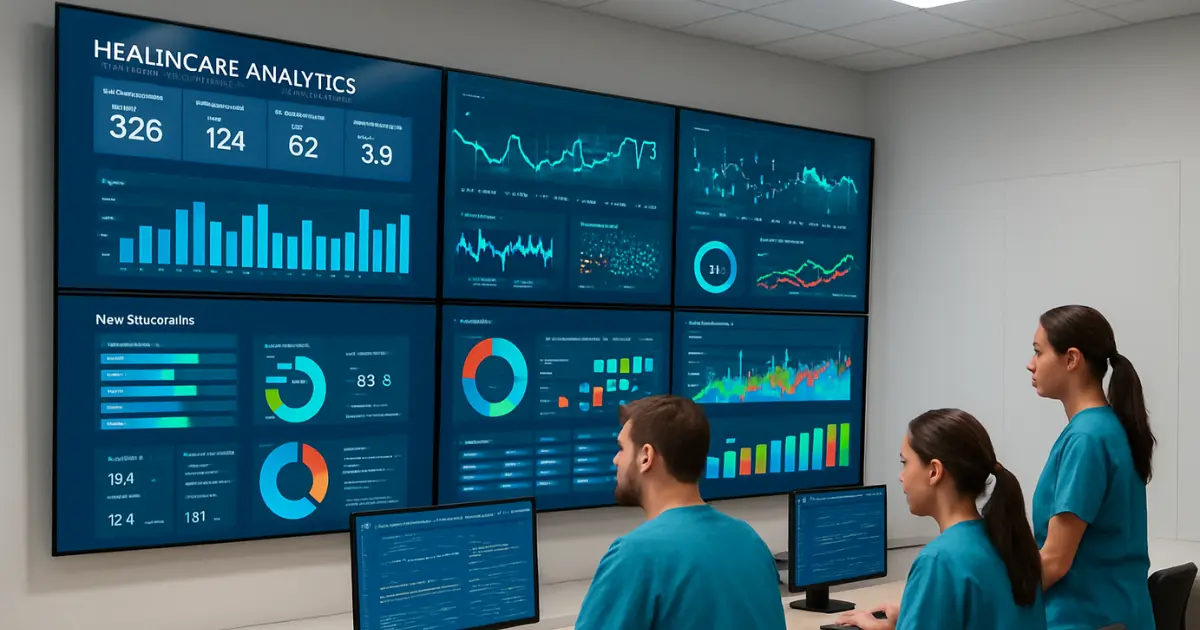
Traditional marketing often relies on guesswork. CRM data eliminates that uncertainty by providing measurable insights. Through analytics, healthcare organizations can identify which campaigns perform best, which communication channels patients prefer, and what time of day generates the most engagement.
This enables data-driven decision-making, helping marketers allocate budgets wisely, optimize campaigns, and achieve better ROI.
For example, if analytics show that patients engage more through SMS than email, marketers can shift their focus accordingly.
4. Automation of Marketing Processes
CRM data powers marketing automation, allowing healthcare providers to send timely, relevant messages without manual effort. Automated workflows can trigger specific actions based on patient behavior or milestones.
Examples include:
- Sending appointment reminders automatically.
- Following up after a procedure with recovery instructions.
- Sending birthday or anniversary greetings to maintain engagement.
Automation ensures that every patient receives consistent communication, improving satisfaction while reducing the administrative burden on staff.
5. Enhancing Patient Retention and Loyalty
CRM data helps healthcare organizations maintain continuous patient engagement even after treatment. Through personalized follow-ups, educational newsletters, or preventive health reminders, providers can stay connected and encourage repeat visits.
For example, a clinic can analyze CRM data to identify patients who haven’t visited in over six months and send them gentle reminders for annual checkups. This approach not only improves patient retention but also enhances long-term loyalty and trust.
6. Multi-Channel Marketing Integration
Modern healthcare marketing requires reaching patients across multiple channels—email, SMS, social media, websites, and patient portals. CRM data centralizes all this activity, ensuring that communication remains consistent across platforms.
A unified CRM strategy helps healthcare marketers track how patients interact with each channel. For example, if a patient clicks an email about flu vaccines but doesn’t book an appointment, the system can send a follow-up text message.
This omnichannel marketing approach ensures a seamless and cohesive patient experience.
7. Predictive and Preventive Campaigns with AI and Analytics
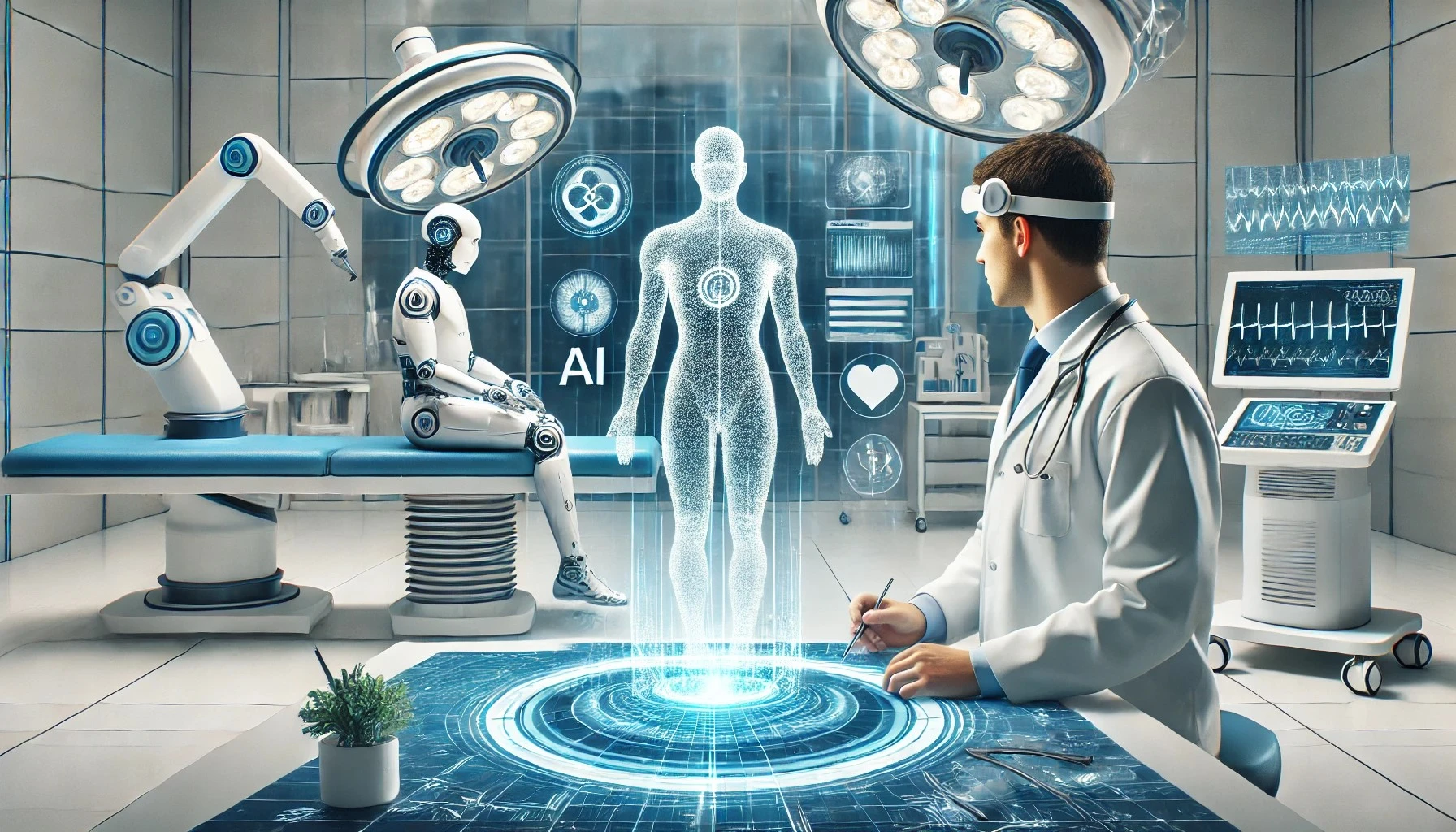
The integration of AI and advanced analytics with CRM data allows healthcare organizations to predict patient needs and launch preventive health campaigns.
For example, analyzing patterns in CRM data may show that a group of patients with high cholesterol are at risk of heart disease. The system can automatically create a campaign encouraging early cardiac screening or dietary consultations.
These predictive campaigns not only improve public health outcomes but also establish the healthcare provider as proactive and patient-focused.
Implementing CRM Data in Healthcare Marketing: Best Practices
To fully leverage CRM data, healthcare organizations should follow these best practices:
- Ensure Data Accuracy and Compliance:
Maintain clean, updated, and compliant patient data in line with HIPAA and GDPR standards. - Integrate with EHR and Other Systems:
Sync CRM data with Electronic Health Records (EHR) and billing systems for a holistic patient view. - Focus on Personalization Over Promotion:
Educational and value-based messaging works better than generic advertisements. - Use Analytics for Continuous Improvement:
Regularly review CRM analytics to refine targeting, timing, and content strategies. - Train Staff on CRM Utilization:
Ensure marketing teams, doctors, and administrative staff understand how to interpret and use CRM insights effectively.
The Future of CRM-Driven Healthcare Marketing
As healthcare becomes more digital and data-driven, CRM systems will evolve into intelligent marketing ecosystems. Future CRM platforms will integrate with wearable devices, IoT health monitors, and telehealth platforms to collect real-time patient data.
With AI and machine learning, healthcare marketers will be able to craft hyper-personalized campaigns that predict needs before patients even express them. The result will be a more connected, preventive, and patient-first healthcare experience.
Conclusion
Understanding how CRM data enhances healthcare marketing campaigns is essential for any healthcare organization aiming to thrive in the digital age. By leveraging CRM analytics, healthcare marketers can personalize outreach, improve targeting, and build stronger relationships with patients.
Ultimately, CRM data transforms healthcare marketing from reactive communication into proactive, data-driven engagement—helping providers deliver the right message, to the right patient, at the right time.