
The healthcare industry is undergoing a major transformation, shifting from provider-focused models to patient-centric care. Today’s patients expect personalized experiences, seamless communication, and efficient services—similar to what they receive in other industries. To meet these expectations, healthcare organizations are increasingly adopting Healthcare Customer Relationship Management (CRM) systems.
Understanding building a patient-centric healthcare system with Healthcare CRM is essential for hospitals, clinics, and healthcare providers aiming to improve patient satisfaction, streamline operations, and deliver better outcomes.
What Is a Healthcare CRM?
A Healthcare CRM is a specialized system designed to manage interactions between healthcare providers and patients. Unlike traditional CRM systems used in sales and marketing, healthcare CRMs focus on patient engagement, communication, and care coordination.
These platforms store and manage patient data, appointment history, treatment plans, and communication records, enabling providers to deliver more personalized and efficient care.
The Shift Toward Patient-Centric Care
Patient-centric care places the patient at the center of the healthcare journey. It emphasizes understanding individual needs, preferences, and experiences to provide tailored treatment and support.
This approach leads to:
- Improved patient satisfaction
- Better treatment adherence
- Enhanced health outcomes
- Stronger patient-provider relationships
Healthcare CRM systems play a critical role in enabling this shift by providing the tools needed to manage and analyze patient interactions effectively.
Centralized Patient Data Management
One of the key benefits of Healthcare CRM is centralized data management. Patient information is often scattered across multiple systems, making it difficult for providers to access and use effectively.
A Healthcare CRM consolidates all patient data into a single platform, including:
- Medical history
- Appointment records
- Communication logs
- Billing information
This unified view allows healthcare professionals to make informed decisions quickly and deliver more accurate and personalized care.
Enhancing Patient Engagement
Patient engagement is a cornerstone of a patient-centric healthcare system. Healthcare CRM systems enable providers to interact with patients through multiple channels, such as email, SMS, and mobile apps.
Features like:
- Appointment reminders
- Follow-up notifications
- Health tips and education
help keep patients informed and involved in their care journey.
By maintaining consistent communication, healthcare providers can build trust and encourage patients to take an active role in their health.
Personalization of Care
Every patient is unique, and personalized care is essential for effective treatment. Healthcare CRM systems use data analytics to understand patient preferences, behaviors, and medical history.
This enables providers to:
- Tailor treatment plans
- Offer personalized recommendations
- Anticipate patient needs
Personalization not only improves patient satisfaction but also enhances the effectiveness of medical interventions.
Streamlining Appointment and Workflow Management
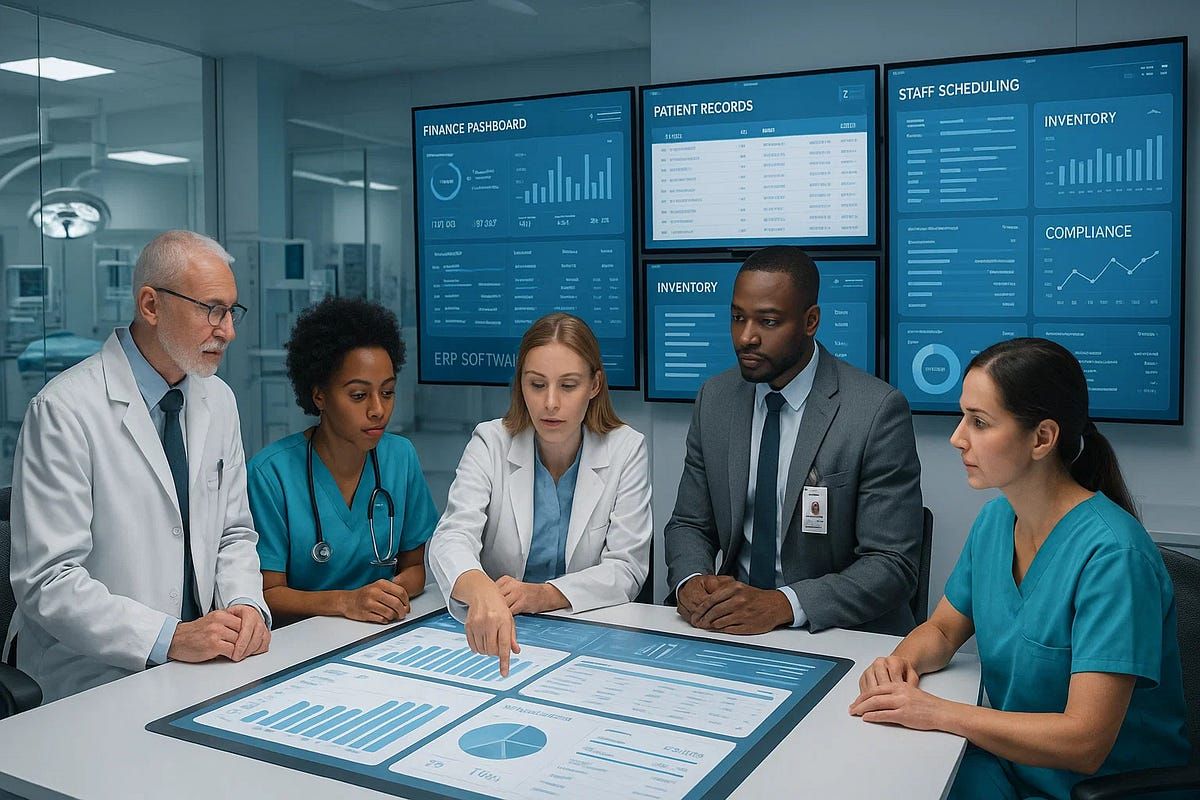
Efficient scheduling and workflow management are critical for delivering timely care. Healthcare CRM systems automate appointment scheduling, reducing wait times and minimizing administrative burdens.
They also help manage:
- Patient queues
- Staff schedules
- Resource allocation
By optimizing workflows, healthcare organizations can improve operational efficiency and provide a smoother patient experience.
Improving Care Coordination
Healthcare often involves multiple providers, departments, and services. Coordinating care across these elements can be challenging without the right tools.
Healthcare CRM systems facilitate seamless communication and collaboration among healthcare professionals. They ensure that all stakeholders have access to the same patient information, reducing errors and improving continuity of care.
This coordinated approach leads to better treatment outcomes and a more cohesive patient experience.
Data-Driven Decision Making
Healthcare CRM platforms provide valuable insights through data analytics and reporting. By analyzing patient data, healthcare organizations can identify trends, measure performance, and make informed decisions.
For example, CRM data can help:
- Identify high-risk patients
- Monitor treatment effectiveness
- Improve service quality
These insights enable providers to continuously enhance their services and adapt to changing patient needs.
Enhancing Patient Retention and Loyalty
In a competitive healthcare environment, patient retention is increasingly important. Healthcare CRM systems help build long-term relationships by delivering consistent and personalized experiences.
Features such as feedback collection, satisfaction surveys, and loyalty programs allow providers to understand patient expectations and improve their services.
Satisfied patients are more likely to return for future care and recommend the provider to others.
Ensuring Data Security and Compliance
Healthcare data is highly sensitive, and protecting patient information is a top priority. Healthcare CRM systems are designed to comply with strict data protection regulations and security standards.
They implement:
- Secure data storage
- Access controls
- Encryption technologies
This ensures that patient information remains confidential and protected from unauthorized access.
Integration with Modern Technologies
Healthcare CRM systems can integrate with other technologies such as electronic health records (EHR), telemedicine platforms, and mobile health apps.
This integration creates a connected healthcare ecosystem where data flows seamlessly between systems. It enhances efficiency and enables providers to deliver more comprehensive and coordinated care.
The Future of Patient-Centric Healthcare
The future of healthcare lies in personalization, technology integration, and proactive care. Healthcare CRM systems will continue to evolve, incorporating advanced technologies such as artificial intelligence and predictive analytics.
These innovations will enable:
- Early detection of health issues
- More accurate diagnoses
- Proactive patient engagement
As a result, healthcare organizations will be better equipped to deliver high-quality, patient-centered care.
Understanding building a patient-centric healthcare system with Healthcare CRM is essential for modern healthcare providers. By centralizing data, enhancing communication, and enabling personalized care, Healthcare CRM systems transform the patient experience.
They not only improve operational efficiency but also strengthen patient relationships and drive better health outcomes.
In an era where patient expectations are higher than ever, adopting a Healthcare CRM is no longer optional—it is a strategic necessity for delivering effective, compassionate, and future-ready healthcare services.