How Real-Time CRM Data Will Power Smart Hospitals
The healthcare industry is experiencing a remarkable digital shift, and at the heart of this transformation lies real-time data. As

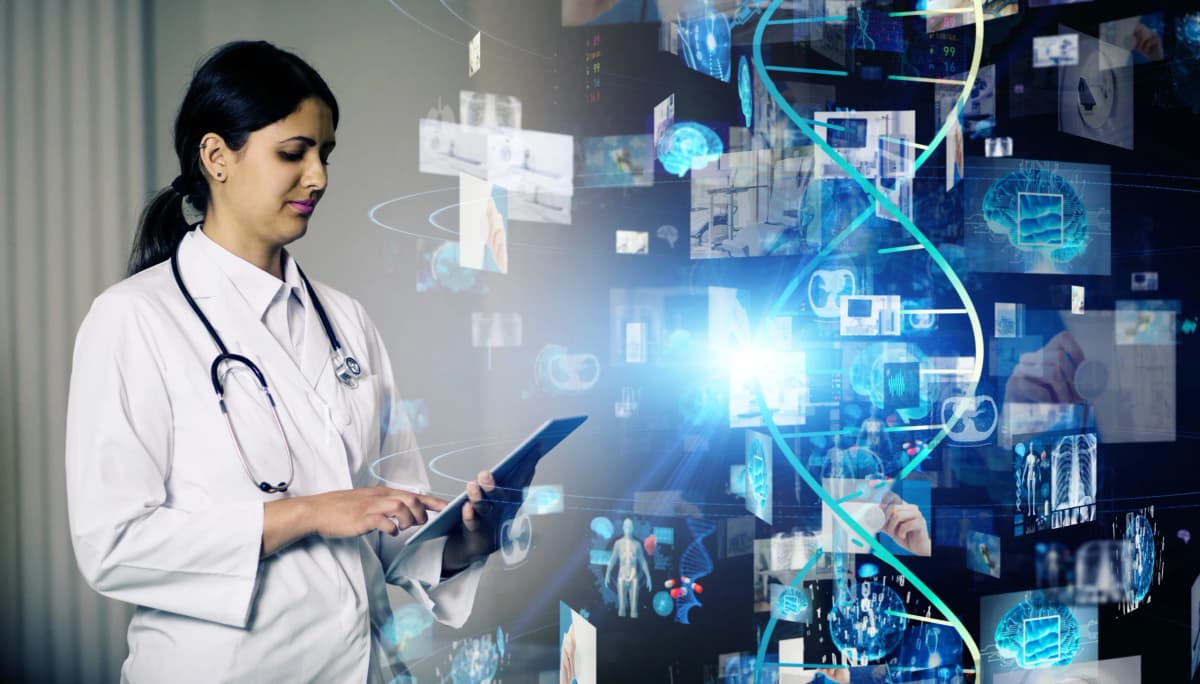
The healthcare industry is experiencing a remarkable digital shift, and at the heart of this transformation lies real-time data. As hospitals evolve into “smart hospitals,” the integration of real-time Customer Relationship Management (CRM) systems is becoming the foundation of modern healthcare operations. By harnessing live patient data, hospitals can deliver faster, more accurate, and more personalized care — transforming both patient experiences and clinical outcomes.
This blog explores how real-time CRM data is revolutionizing smart hospitals, enhancing efficiency, improving patient engagement, and shaping the future of connected healthcare systems.
What Is a Smart Hospital?
A smart hospital leverages digital technologies, automation, and data analytics to optimize operations and patient care. These hospitals rely on interconnected systems — such as IoT devices, electronic health records (EHRs), and CRM platforms — to collect, process, and act on data in real time.
The goal of a smart hospital is not just efficiency but intelligent care delivery: using technology to make proactive decisions, predict patient needs, and eliminate human error. In this ecosystem, real-time CRM data plays a critical role by serving as the communication bridge between patients, staff, and digital systems.
The Role of Real-Time CRM Data in Smart Hospitals
A traditional CRM in healthcare helps manage patient relationships, appointments, and communication. However, real-time CRM systems take this a step further — they provide instant access to live patient data, behavioral patterns, and system alerts. This enables hospitals to make timely, data-driven decisions and respond proactively to every patient’s needs.
Here’s how real-time CRM data empowers smart hospitals:
1. Enhancing Patient Monitoring and Care Coordination
In smart hospitals, IoT-enabled medical devices continuously track patients’ vital signs — such as heart rate, oxygen levels, and blood pressure — and feed this information into the hospital’s CRM in real time.
For instance:
- If a patient’s blood pressure drops suddenly, the CRM can automatically send an alert to the assigned nurse and physician.
- The system can log the event, schedule an immediate checkup, and notify the emergency response team if necessary.
This integration ensures seamless coordination between departments and eliminates delays in response time. Real-time CRM data helps staff prioritize cases, allocate resources effectively, and deliver timely interventions that can save lives.
2. Delivering Personalized and Predictive Healthcare
With real-time CRM analytics, smart hospitals can shift from reactive care to predictive and personalized care.
By analyzing patient histories, lifestyle data, and live health metrics, CRM systems can forecast potential health risks. For example:
- A diabetic patient’s CRM profile might track glucose levels, meal logs, and medication adherence.
- AI algorithms can then predict when their sugar levels might spike and trigger a reminder for insulin or diet adjustments.
This predictive capability allows hospitals to offer individualized treatment plans while engaging patients through personalized notifications, follow-up reminders, and educational content — all automated through the CRM.
3. Streamlining Operations and Resource Management
Smart hospitals rely on efficiency, and real-time CRM data ensures smooth operational workflows.
For instance, a hospital CRM can:
- Track bed occupancy and automatically update availability for new admissions.
- Notify cleaning staff when a patient is discharged so the room can be prepared immediately.
- Manage equipment maintenance schedules based on usage data.
By automating these tasks, hospitals minimize downtime, reduce human error, and make data-backed decisions in resource allocation. The result is a more responsive, well-coordinated environment where every department operates in sync.
4. Enhancing Patient Experience and Engagement
Today’s patients expect transparency, accessibility, and personalized communication. Real-time CRM data enables hospitals to meet these expectations seamlessly.
For example:
- Patients can receive live updates about appointment schedules, lab results, or waiting times.
- The CRM can send automated reminders for medication, checkups, or therapy sessions.
- Virtual assistants powered by CRM data can answer patient queries in real time, reducing call center congestion.
By offering 24/7 engagement through mobile apps and online portals, hospitals can improve satisfaction, reduce anxiety, and build lasting trust.
Furthermore, CRM systems can collect patient feedback immediately after each interaction — helping hospitals measure satisfaction levels and identify areas for improvement.
5. Supporting Clinical Decision-Making
Doctors and nurses often deal with enormous amounts of data daily. Real-time CRM systems make this data accessible and actionable.
For example, a clinician can view a complete, up-to-date patient profile before making a diagnosis — including symptoms, medical history, allergies, lab reports, and live monitoring data.
This eliminates the need for manual data retrieval and allows for quicker, evidence-based decisions. When combined with AI analytics, CRM data can even assist in suggesting potential diagnoses or treatment options.
By integrating CRM data with Electronic Health Records (EHR) and AI-driven analytics, smart hospitals create a connected ecosystem that supports accurate, real-time clinical decisions.
6. Enabling Remote and Preventive Care
The shift toward remote healthcare and telemedicine relies heavily on real-time data.
With wearable devices and connected sensors, patients’ health metrics are continuously monitored even outside hospital premises. This data is instantly updated in the CRM, allowing healthcare teams to track conditions remotely and intervene when necessary.
For example:
- If a heart patient’s wearable detects abnormal rhythm, the CRM sends an alert to the cardiology department.
- A nurse can contact the patient immediately through teleconsultation, preventing potential emergencies.
This preventive care model reduces hospital readmissions, improves chronic disease management, and ensures continuity of care.
7. Strengthening Data Analytics and Predictive Insights
Real-time CRM systems also empower hospitals to make data-driven organizational decisions.
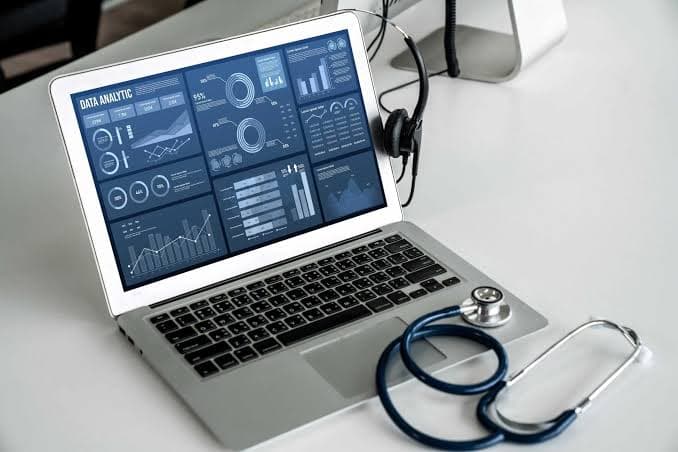
With analytics dashboards, administrators can view live metrics like:
- Patient admission rates
- Emergency response times
- Staff performance
- Resource utilization
Predictive analytics powered by CRM data can forecast patient inflow trends, enabling hospitals to prepare staffing and inventory accordingly. For example, during flu season, the CRM might predict a surge in outpatient visits, prompting the hospital to adjust schedules and stock supplies in advance.
This level of operational intelligence is essential for running a truly smart hospital that anticipates needs rather than reacts to them.
8. Strengthening Security and Compliance
Handling patient data in real time requires robust security measures. Modern healthcare CRMs are built with advanced encryption, role-based access controls, and compliance frameworks like HIPAA or GDPR.
Real-time monitoring ensures that any suspicious activity — such as unauthorized data access — triggers immediate alerts. This proactive security layer helps smart hospitals maintain trust and comply with data protection standards.

Conclusion
As the healthcare industry moves toward automation and intelligence, real-time CRM data is becoming the backbone of smart hospitals. From improving patient care and operational efficiency to enabling predictive analytics and remote health monitoring, CRM-driven data systems are redefining what modern healthcare looks like.
Smart hospitals that adopt real-time CRM solutions are better equipped to deliver personalized, proactive, and connected care, transforming both patient outcomes and hospital performance.
In the coming years, as IoT, AI, and CRM technologies continue to converge, real-time data will not only power smart hospitals — it will power the future of healthcare itself.
The Doctorna editorial desk writes about healthcare operations, patient experience and the systems clinics use to connect them.