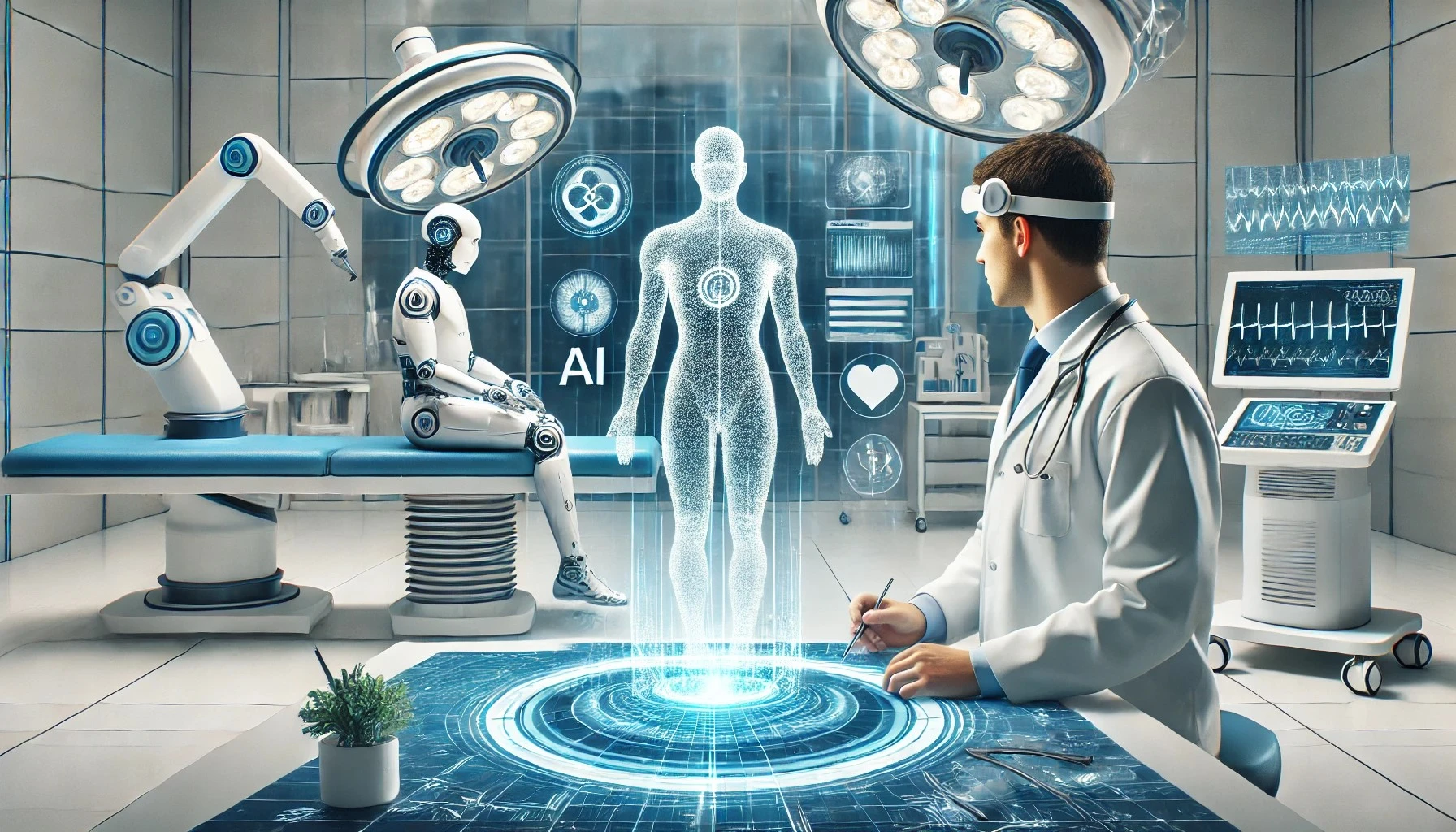


The healthcare industry is undergoing a digital revolution — one that’s driven by the integration of powerful technologies like Customer Relationship Management (CRM) systems and Internet of Things (IoT) health devices. Together, these innovations are reshaping how healthcare providers monitor patients, manage relationships, and deliver personalized care.
From smartwatches that track heart rate to glucose monitors that send real-time data to physicians, IoT devices are generating massive volumes of health data every second. However, this data is only valuable when it’s collected, analyzed, and used effectively. That’s where integrating IoT health devices with a CRM system becomes a game-changer.
In this blog, we’ll explore how to integrate CRM with IoT health devices, why it’s important, and what best practices ensure a smooth, secure, and efficient integration.
1. Why Integrating CRM and IoT Matters in Healthcare
The healthcare sector is shifting from reactive to proactive care. Instead of waiting for patients to report symptoms, providers can now monitor health data in real time through IoT devices — such as fitness trackers, smart inhalers, glucose sensors, and remote monitoring systems.
Integrating these devices with a CRM enables healthcare organizations to:
- Collect and centralize real-time patient data
- Gain a 360° view of patient health
- Provide personalized and preventive care
- Improve patient engagement through automation
- Enhance data-driven decision-making
In short, a CRM-IoT integration transforms raw data into actionable insights — enabling care teams to intervene early, improve outcomes, and strengthen patient relationships.
2. Step 1: Choose a Healthcare CRM With IoT Compatibility
The first step in integration is selecting a CRM platform designed for healthcare that supports IoT integration. Not all CRMs can handle continuous data streaming from IoT devices, so you need one with:
- API support and interoperability for connecting external devices
- Cloud infrastructure for real-time data processing
- Scalability to handle large volumes of IoT data
- Compliance certifications (HIPAA, GDPR, etc.) for secure health data handling
Popular healthcare CRMs like Salesforce Health Cloud, Microsoft Dynamics 365 Healthcare Accelerator, and custom-built systems can be integrated with IoT platforms using APIs or middleware.
3. Step 2: Connect IoT Devices Through APIs or Middleware
Once you’ve chosen your CRM, the next step is connecting it to IoT health devices using Application Programming Interfaces (APIs) or middleware platforms.
- APIs act as digital bridges that allow IoT devices and CRM systems to communicate seamlessly. For example, a wearable fitness tracker can transmit real-time heart rate data directly into the patient’s CRM profile.
- Middleware platforms (like AWS IoT Core or Azure IoT Hub) can manage, aggregate, and normalize the data before sending it to the CRM.
This approach ensures smooth integration even when different IoT devices use different communication protocols or data formats.
4. Step 3: Ensure Secure Data Transmission and Storage
Data privacy and security are critical when dealing with healthcare information. Integrating IoT and CRM systems means handling sensitive patient data that must comply with strict regulations like HIPAA, GDPR, and HITECH.
To maintain compliance and build patient trust, organizations should:
- Use end-to-end encryption for data in transit and at rest
- Implement role-based access control to limit who can view or modify data
- Regularly conduct security audits and vulnerability assessments
- Store data in secure, compliant cloud environments
Additionally, it’s essential to keep patient consent management at the core of your system — ensuring transparency about how their data is collected and used.
5. Step 4: Automate Data Syncing and Alerts
Once your systems are connected securely, automation is the next step. With proper automation workflows, the CRM can receive and process IoT data in real time.
For example:
- If a patient’s blood pressure reading exceeds a certain threshold, the CRM can automatically trigger an alert to the physician.
- The system can schedule an appointment or send a follow-up notification to the patient.
- Automated data syncing ensures that the CRM dashboard is always up to date with the latest health readings.
This automation minimizes manual input, reduces response time, and enables faster interventions in critical situations.
6. Step 5: Integrate Analytics and AI for Predictive Insights
The real power of CRM-IoT integration lies in analytics and artificial intelligence (AI). By combining real-time IoT data with historical patient data stored in the CRM, healthcare providers can unlock predictive insights.
AI algorithms can identify patterns in health metrics, predict potential health risks, and recommend preventive care actions. For instance, if the system detects irregular sleep patterns from a wearable device, it can flag potential stress or cardiovascular risks.
Predictive analytics also enables personalized care plans, proactive outreach, and better resource allocation — helping healthcare organizations move from treatment-based to prevention-based care.
7. Step 6: Create a Unified Dashboard for Healthcare Teams
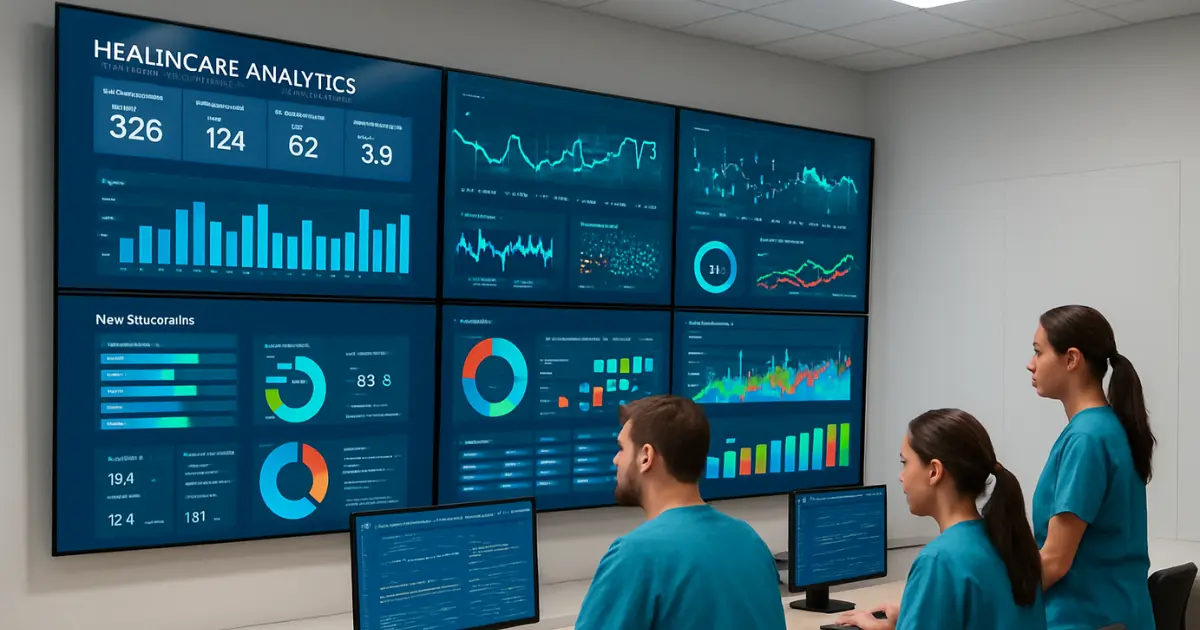
A well-designed CRM dashboard makes IoT data easy to interpret and act upon. Healthcare professionals need visual dashboards that display key patient metrics, device readings, and alerts in real time.
This unified interface ensures that doctors, nurses, and administrative staff can collaborate effectively. For example:
- A doctor can track a patient’s recovery progress through IoT data graphs.
- A nurse can see which patients need immediate attention.
- Administrators can monitor overall patient engagement and satisfaction levels.
By having all data in one place, healthcare teams can make faster, more informed decisions.
8. Step 7: Continuously Monitor, Update, and Scale
Integration doesn’t end once the systems are connected. IoT devices and CRM platforms are constantly evolving, so continuous monitoring is essential.
Regularly update firmware, APIs, and integration protocols to ensure smooth data flow and compatibility. As your organization grows, scale your CRM infrastructure to handle more devices, data points, and users.
Partnering with an experienced healthcare IT provider can help maintain seamless performance and long-term scalability.
Conclusion
Integrating CRM systems with IoT health devices marks a new era in connected healthcare. It bridges the gap between real-time patient monitoring and personalized care delivery — turning continuous data into continuous improvement.
Through proper integration, healthcare organizations can enhance operational efficiency, empower clinicians with timely insights, and deliver proactive, patient-centered care.
The key lies in choosing the right CRM, ensuring secure data exchange, automating workflows, and leveraging analytics for smarter healthcare management.
As IoT technology continues to advance, the synergy between CRM and connected health devices will redefine how healthcare providers engage with patients — not just during appointments, but every moment in between.