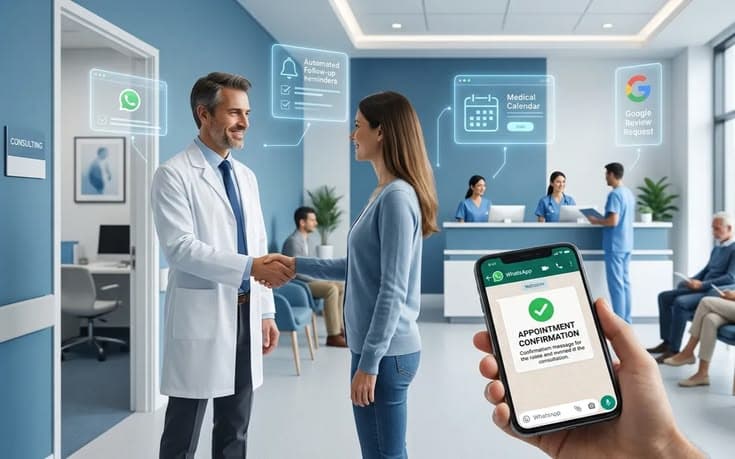
Leveraging Healthcare CRM for Effective Patient Retention Strategies
In today’s competitive healthcare landscape, attracting patients is only half the challenge; retaining them is equally, if not more, critical.


In today’s competitive healthcare landscape, attracting patients is only half the challenge; retaining them is equally, if not more, critical. Patient retention not only ensures continuous revenue for healthcare practices but also contributes to better long-term health outcomes. One of the most effective tools for achieving this is a Healthcare Customer Relationship Management (CRM) system. Leveraging healthcare CRM for effective patient retention strategies empowers healthcare providers to engage, communicate, and build lasting relationships with their patients.
Understanding Healthcare CRM
Healthcare CRM is a technology platform designed to manage patient interactions, consolidate medical and administrative data, and streamline communication. Unlike traditional CRMs used in retail or sales, healthcare CRMs are tailored to the unique needs of medical organizations. They integrate with electronic health records (EHRs), appointment scheduling systems, billing, and even telehealth platforms, all while maintaining compliance with healthcare regulations like HIPAA and GDPR.
By centralizing patient data and providing actionable insights, healthcare CRMs enable providers to develop personalized retention strategies that keep patients engaged and loyal over time.
Why Patient Retention Matters
Patient retention is a critical aspect of healthcare management for several reasons:
- Cost-Effective – Acquiring new patients can be five to seven times more expensive than retaining existing ones.
- Better Health Outcomes – Continuity of care allows providers to monitor patient progress, adjust treatments, and manage chronic conditions effectively.
- Enhanced Reputation – Satisfied, loyal patients are more likely to recommend a practice to family and friends, driving organic growth.
- Operational Stability – Retained patients create predictable appointment volumes, improving staffing and resource planning.
How Healthcare CRM Enhances Patient Retention
- Personalized Communication
One of the core advantages of healthcare CRM is the ability to send tailored communication. By leveraging patient data such as medical history, demographics, and treatment plans, providers can send personalized appointment reminders, follow-up messages, or wellness tips. This level of personalization fosters stronger connections and ensures patients feel valued. - Automated Appointment Management
Missed appointments are a significant barrier to patient retention. Healthcare CRM systems can automate reminders via email, SMS, or phone calls, reducing no-shows and keeping patients engaged with their care plans. Some CRMs even offer predictive analytics to identify patients at risk of missing appointments and trigger proactive outreach. - Targeted Patient Engagement Campaigns
Healthcare CRM platforms enable practices to segment patients based on demographics, health conditions, or visit frequency. This segmentation allows for targeted engagement campaigns, such as preventive care reminders, vaccination alerts, or educational content tailored to specific patient groups. Targeted campaigns ensure patients receive relevant information, increasing their likelihood of returning to the practice. - Streamlined Feedback and Surveys
Understanding patient satisfaction is key to retention. Healthcare CRMs can automate the collection of patient feedback through surveys after appointments or treatments. Analyzing this feedback allows providers to address concerns promptly, improve services, and demonstrate responsiveness—factors that significantly enhance patient loyalty. - Loyalty Programs and Incentives
Some healthcare CRM systems offer tools to implement patient loyalty programs or incentive initiatives, such as discounts for regular check-ups or wellness program participation. These programs encourage patients to maintain their relationship with the practice, reinforcing retention. - Comprehensive Analytics and Reporting
Healthcare CRMs provide actionable insights through detailed analytics and reporting. By tracking patient behavior, appointment patterns, and engagement metrics, practices can identify patients at risk of attrition and implement timely retention strategies. Data-driven insights allow healthcare providers to make informed decisions to improve patient satisfaction and loyalty.
Real-World Applications
Healthcare organizations across various specialties are successfully leveraging CRM for patient retention:
- Primary Care Practices use CRM systems to send preventive care reminders, ensuring patients return regularly for check-ups and screenings.
- Specialty Clinics employ targeted campaigns for chronic disease management, reminding patients about follow-up visits and medication schedules.
- Dental and Cosmetic Clinics leverage CRM tools for loyalty programs, appointment reminders, and personalized promotions, keeping patients engaged over time.
Benefits of Using Healthcare CRM for Retention
- Stronger Patient Relationships – Personalized communication and timely follow-ups build trust and loyalty.
- Reduced No-Shows – Automated reminders and predictive alerts improve appointment adherence.
- Increased Revenue – Retained patients contribute to stable revenue streams and referrals.
- Improved Health Outcomes – Continuous engagement and follow-ups ensure better management of patient health.
- Operational Efficiency – Automation reduces administrative burden, allowing staff to focus on quality care.

Conclusion
In an increasingly competitive healthcare environment, patient retention is a strategic imperative. Leveraging healthcare CRM for effective patient retention strategies equips providers with the tools to engage patients proactively, personalize communication, and analyze behavior to predict attrition. By integrating CRM into daily operations, healthcare organizations can enhance patient satisfaction, optimize resources, and ensure continuity of care.
Investing in a healthcare CRM system is not merely a technological upgrade; it is a commitment to long-term patient relationships and sustainable growth. Practices that prioritize retention through CRM solutions will benefit from improved patient loyalty, better health outcomes, and a stronger reputation in the healthcare market.
The Doctorna editorial desk writes about healthcare operations, patient experience and the systems clinics use to connect them.