Mobile Healthcare CRM: Benefits for Providers
The healthcare industry is undergoing a technological revolution, and mobile solutions are at the forefront of this transformation. Among these,


The healthcare industry is undergoing a technological revolution, and mobile solutions are at the forefront of this transformation. Among these, Mobile Healthcare CRM (Customer Relationship Management) systems have emerged as a critical tool for providers seeking to enhance patient engagement, streamline operations, and improve overall care delivery. The Mobile Healthcare CRM: benefits for providers are numerous, offering a combination of efficiency, accessibility, and actionable insights that traditional systems often cannot match.
Understanding Mobile Healthcare CRM
A Mobile Healthcare CRM is a cloud-based platform accessible through smartphones, tablets, and other mobile devices, designed to manage patient relationships and practice operations. Unlike conventional desktop CRMs, mobile healthcare CRMs allow providers to access patient information, manage appointments, communicate with patients, and review analytics on the go. This mobility ensures that healthcare professionals can make informed decisions anytime, anywhere, improving responsiveness and patient satisfaction.
Enhancing Patient Engagement
One of the primary benefits of Mobile Healthcare CRM for providers is improved patient engagement. Mobile CRMs allow providers to send personalized reminders for appointments, medication schedules, and follow-ups directly to patients’ mobile devices. Patients can receive updates, confirm appointments, or communicate concerns in real-time, creating a seamless and interactive experience.
For example, a provider can use the CRM to notify patients about preventive health screenings or vaccination schedules, increasing compliance and proactive care. This level of engagement strengthens trust between patients and providers, encouraging loyalty and long-term relationships, which are critical for the success of any healthcare organization.
Streamlining Appointment Management
Mobile Healthcare CRM systems simplify appointment scheduling and management. Providers and administrative staff can view schedules, book, reschedule, or cancel appointments directly from their mobile devices. Automated notifications reduce no-shows, optimize time management, and ensure that patients are served efficiently.
For healthcare professionals who conduct home visits or work across multiple locations, mobile access to appointment information is invaluable. It allows them to manage their day without returning to the office, reducing downtime and improving productivity.
Improving Communication and Collaboration
Effective communication within healthcare teams is essential for delivering quality care. A mobile CRM allows physicians, nurses, and administrative staff to share patient information securely and in real-time. Team members can access patient histories, lab results, and care plans instantly, enabling coordinated care across departments or locations.
This collaborative approach reduces errors, avoids redundant tests, and ensures that everyone involved in patient care is on the same page. Mobile access to CRM data ensures that critical decisions can be made quickly, enhancing the overall quality of care.
Optimizing Billing and Revenue Cycle Management
The benefits of Mobile Healthcare CRM for providers extend to financial operations as well. Mobile CRMs integrated with billing systems enable providers to manage claims, track payments, and monitor outstanding balances on the go. Automated reminders for payments and insurance approvals help reduce delays and minimize revenue leakage.
Providers can also access detailed reports and analytics directly from their mobile devices, gaining insights into revenue trends, patient payment behavior, and operational inefficiencies. This data-driven approach allows healthcare organizations to optimize financial performance while maintaining focus on patient care.
Supporting Data-Driven Decision Making
Mobile Healthcare CRM systems provide actionable insights through dashboards, analytics, and reporting tools accessible on mobile devices. Providers can track key performance indicators (KPIs) such as patient satisfaction, treatment outcomes, and operational efficiency.
These insights enable evidence-based decision-making, helping providers identify gaps in care, optimize workflows, and implement targeted interventions. For example, analytics may reveal trends in missed appointments or delayed follow-ups, prompting proactive engagement strategies. Mobile access ensures that providers can monitor these metrics and act quickly, regardless of their location.
Enhancing Patient Satisfaction
Patient satisfaction is a crucial metric for healthcare providers. Mobile CRM systems improve the patient experience by enabling personalized communication, reducing waiting times, and providing convenient access to health information. Patients can view their medical records, schedule appointments, receive reminders, and communicate securely with their providers from their mobile devices.
This convenience and transparency build trust and confidence, increasing adherence to treatment plans and fostering stronger patient-provider relationships. In turn, higher patient satisfaction contributes to better health outcomes and a positive reputation for the practice.
Ensuring Compliance and Security
Healthcare data is highly sensitive, and compliance with regulations such as HIPAA is critical. Mobile Healthcare CRM solutions are designed with robust security features, including encrypted data storage, secure access controls, and audit trails. Providers can access patient data securely while maintaining compliance, even when working remotely or on mobile devices.
By ensuring that patient information is protected, mobile CRMs reduce the risk of data breaches and regulatory penalties while providing a reliable platform for efficient practice management.
The Future of Mobile Healthcare CRM
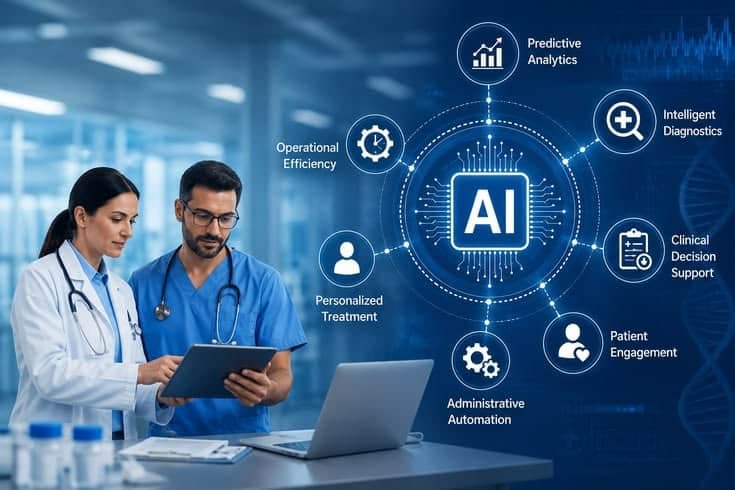
The role of Mobile Healthcare CRM for providers is expected to grow as technology advances. Integration with artificial intelligence (AI) and machine learning can provide predictive insights into patient behavior, improve preventive care strategies, and optimize workflow efficiency. Telehealth integration will allow providers to conduct virtual consultations while accessing CRM data, creating a seamless patient experience.
As healthcare becomes increasingly mobile and patient-centric, Mobile Healthcare CRM systems will continue to be a critical tool for providers seeking to improve care, streamline operations, and maintain a competitive edge.
Conclusion
The Mobile Healthcare CRM: benefits for providers are extensive, encompassing improved patient engagement, streamlined appointment management, enhanced communication, optimized billing, data-driven decision-making, and increased patient satisfaction. By providing secure, real-time access to patient data and operational insights, mobile CRMs empower healthcare providers to deliver superior care while efficiently managing their practice.
In a healthcare environment where accessibility, efficiency, and patient-centered care are paramount, adopting a Mobile Healthcare CRM is not just an advantage—it is essential for long-term success and sustainability.
The Doctorna editorial desk writes about healthcare operations, patient experience and the systems clinics use to connect them.