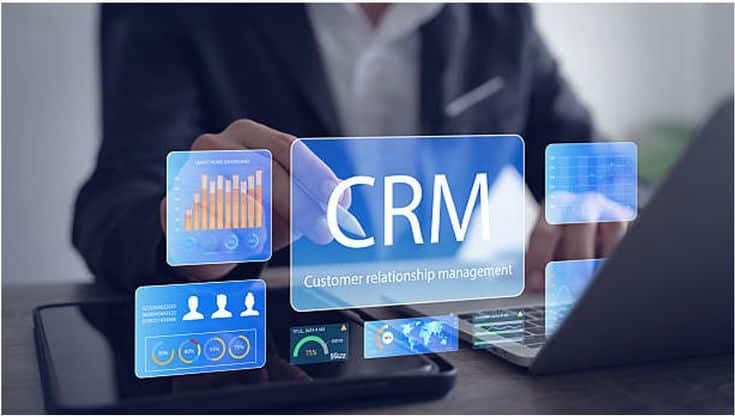
The Impact of Healthcare CRM on Modern Mental Health Support
Mental health care has evolved significantly in recent years, with digital tools playing a major role in improving how services

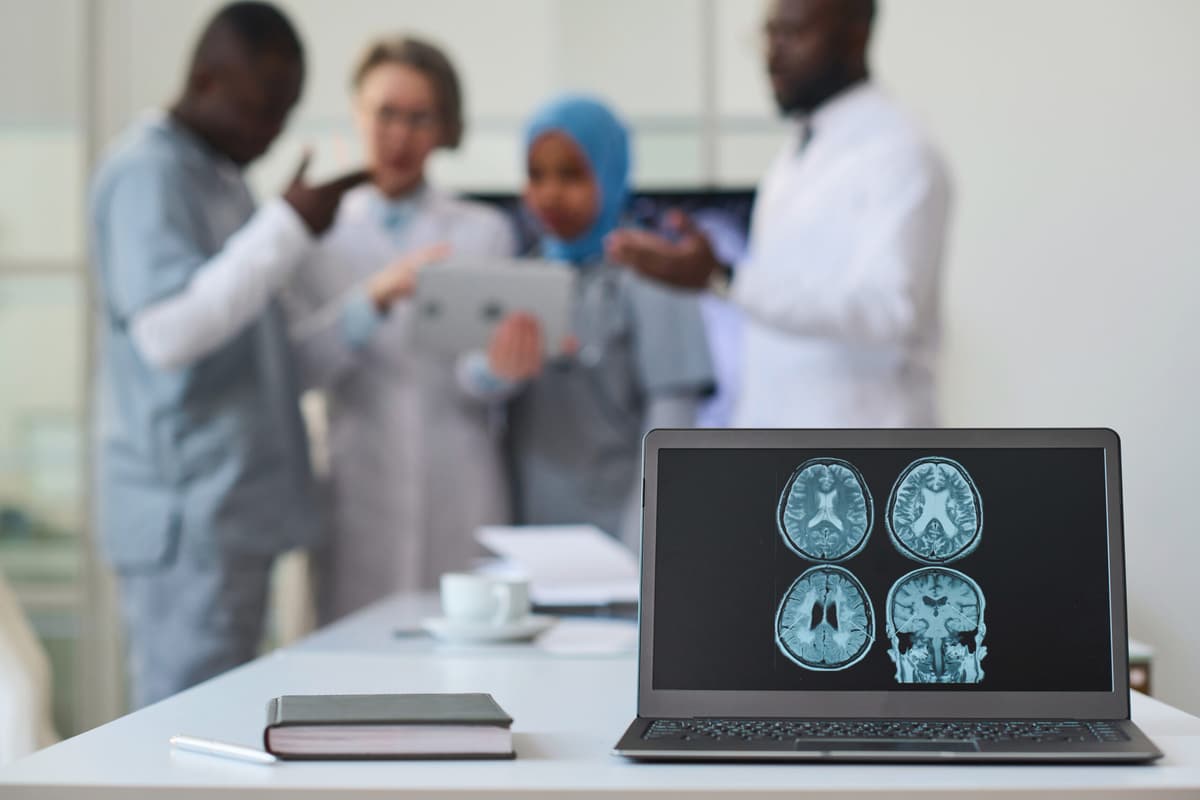
Mental health care has evolved significantly in recent years, with digital tools playing a major role in improving how services are delivered and managed. As mental health awareness grows, healthcare providers face increasing pressure to offer personalized care while maintaining efficiency and confidentiality. Healthcare Customer Relationship Management (CRM) systems have become valuable solutions that help mental health professionals manage patient relationships, streamline workflows, and enhance communication. By integrating patient data and supporting coordinated care, healthcare CRM systems are transforming modern mental health support.
Improving Patient Engagement and Communication
One of the biggest challenges in mental health care is maintaining consistent communication with patients. Many individuals require regular follow-ups, reminders, and emotional support between appointments. Healthcare CRM platforms help providers manage communication effectively by organizing patient interactions in a centralized system. Automated appointment reminders, secure messaging, and personalized follow-ups help patients stay connected with their care providers. This consistent engagement encourages patients to remain committed to therapy and treatment plans, leading to better long-term outcomes.
Supporting Personalized Mental Health Care
Mental health treatment often requires a highly personalized approach. Each patient’s experiences, symptoms, and progress are unique. Healthcare CRM systems allow providers to store detailed patient histories, therapy notes, and treatment preferences in one secure location. This centralized information helps therapists and counselors tailor their approach based on individual needs. By tracking behavioral patterns, appointment history, and patient feedback, mental health professionals can design more effective treatment strategies that align with each patient’s mental health journey.
Streamlining Administrative Processes
Administrative tasks can take up a significant amount of time in mental health practices, leaving less room for direct patient care. Healthcare CRM systems automate many of these tasks, such as scheduling, billing reminders, patient intake forms, and documentation. Automation reduces manual workload and minimizes errors, allowing mental health professionals to focus more on therapy sessions and patient well-being. Efficient workflows also improve the overall experience for patients, as they encounter fewer delays and more organized services.
Enhancing Care Coordination
Mental health treatment often involves multiple professionals, including therapists, psychiatrists, psychologists, and primary care physicians. Healthcare CRM platforms enable seamless collaboration by providing a shared view of patient information. Care teams can communicate through secure systems, update treatment plans, and monitor patient progress collectively. This coordinated approach ensures that patients receive consistent care across different providers and reduces the risk of miscommunication or duplicated efforts.
Ensuring Data Privacy and Confidentiality
Confidentiality is especially important in mental health care, where patients share deeply personal information. Healthcare CRM systems are designed with advanced security features such as encryption, access controls, and secure data storage. These measures help protect sensitive patient records from unauthorized access. Additionally, CRM platforms often include audit trails and compliance tools that help mental health practices follow privacy regulations and maintain ethical standards. A secure system builds trust and encourages patients to share information openly with their providers.
Supporting Remote and Teletherapy Services
The rise of teletherapy and virtual mental health services has changed how care is delivered. Healthcare CRM systems help manage remote sessions by integrating video consultations, online forms, and secure communication channels. Providers can track virtual appointments, document therapy notes, and send follow-up resources directly through the CRM platform. This digital support makes mental health services more accessible, especially for individuals who may face barriers such as distance, mobility issues, or busy schedules.
Data-Driven Insights for Better Outcomes
Healthcare CRM systems provide valuable data analytics that help mental health professionals monitor treatment effectiveness and patient progress. By analyzing patterns such as appointment attendance, symptom tracking, and patient engagement levels, providers can identify trends and adjust care strategies accordingly. Data-driven insights also help organizations understand patient needs on a broader level, enabling them to improve service quality and develop targeted mental health programs.
Strengthening Patient Relationships and Trust
Trust is a cornerstone of effective mental health support. Healthcare CRM platforms help build stronger relationships by enabling consistent communication, personalized care, and transparent data management. Patients who feel supported and valued are more likely to stay engaged in therapy and follow treatment recommendations. CRM systems also allow providers to respond quickly to patient concerns, ensuring that individuals receive timely assistance when they need it most.
The Future of Mental Health Support with Healthcare CRM
As technology continues to advance, healthcare CRM systems are expected to play an even greater role in mental health services. Artificial intelligence, predictive analytics, and enhanced patient portals will further improve how providers understand patient needs and deliver care. These innovations will help mental health professionals offer proactive support, detect early warning signs, and create more effective treatment plans.
Conclusion
Healthcare CRM systems are reshaping modern mental health support by improving communication, enhancing personalized care, and streamlining administrative processes. From secure data management to collaborative care coordination and teletherapy integration, these platforms provide tools that help mental health professionals deliver more efficient and patient-centered services. By adopting healthcare CRM solutions, mental health organizations can strengthen patient relationships, maintain confidentiality, and achieve better treatment outcomes. As mental health care continues to evolve, CRM technology will remain a key driver in providing accessible, secure, and compassionate support for individuals seeking help.
The Doctorna editorial desk writes about healthcare operations, patient experience and the systems clinics use to connect them.