
The Role of CRM in Managing Pediatric Patient Health Care
In today’s digital era, The Role of CRM in Managing Pediatric Patient Health Care providers are increasingly adopting technology-driven solutions


In today’s digital era, The Role of CRM in Managing Pediatric Patient Health Care providers are increasingly adopting technology-driven solutions to improve patient management and streamline care delivery. One such transformative tool is the Customer Relationship Management (CRM) system. While CRMs have long been used in business sectors to enhance customer engagement, they are now reshaping the healthcare landscape—particularly in pediatric care, where managing young patients and engaging families require a more personalized and coordinated approach.
Understanding CRM in Healthcare
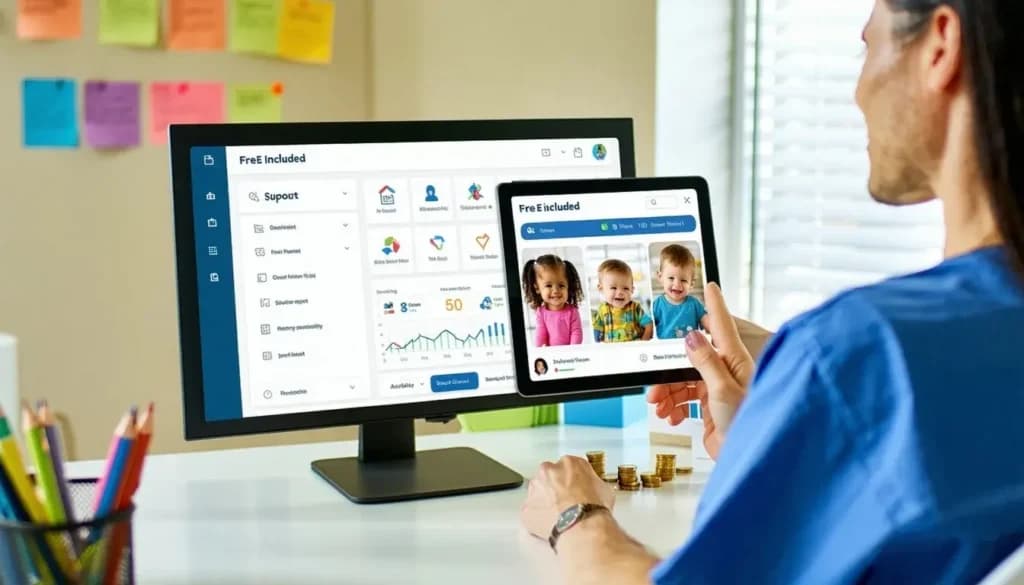
A Healthcare CRM is a centralized system that enables medical organizations to manage patient information, streamline communication, and improve the overall care experience. It helps providers store detailed patient histories, automate scheduling, send reminders, track follow-ups, and maintain seamless communication between healthcare teams and families.
In pediatric healthcare, where patients are children and depend heavily on parental or guardian involvement, CRM systems play an even more vital role. They not only ensure continuity of care but also foster trust and transparency between the healthcare provider and the family.
1. Centralized Patient Data Management
One of the biggest challenges in pediatric healthcare is maintaining comprehensive and up-to-date patient records. Children undergo rapid physical and developmental changes, requiring frequent medical checkups, vaccinations, and ongoing assessments. A CRM system consolidates all relevant data—such as immunization schedules, allergy information, medical history, and growth charts—into a single, secure platform.
This centralization enables pediatricians to access accurate patient data instantly, reducing errors and ensuring timely interventions. It also simplifies coordination among specialists, nurses, and administrative staff, resulting in a more cohesive healthcare delivery process.
2. Enhanced Communication Between Families and Providers
Effective communication is critical in pediatric care. Parents need to be informed, reassured, and involved in every aspect of their child’s treatment. A healthcare CRM enables seamless communication through automated appointment reminders, follow-up messages, and secure patient portals.
For example, when a child is due for a vaccination, the CRM can automatically send reminders via email or SMS to parents. It can also notify providers of missed appointments, ensuring that no child falls behind on essential care. By facilitating clear communication channels, the CRM enhances trust, reduces confusion, and improves adherence to medical recommendations.
3. Personalizing Pediatric Care
Every child is unique, and so are their healthcare needs. CRM systems help pediatricians offer personalized care by analyzing individual patient data and identifying patterns. For instance, a CRM can track growth metrics, developmental milestones, or recurring conditions, enabling physicians to create customized treatment plans.
Furthermore, CRMs can segment patients based on age, condition, or risk level. This allows clinics to send tailored educational materials—such as nutrition tips for toddlers or mental health resources for adolescents—directly to parents, ensuring proactive and informed care.
4. Streamlining Administrative Workflows
Administrative efficiency is another key benefit of CRM adoption in pediatric healthcare. Tasks such as appointment scheduling, billing, patient intake, and reporting can consume valuable time that could otherwise be spent on patient care. CRMs automate these processes, minimizing paperwork and administrative burden.
Front-desk staff can easily manage appointment slots, update records, and generate reports, while pediatricians can access patient data in real time. This automation reduces wait times, improves clinic operations, and enhances the overall patient experience.
5. Supporting Preventive and Long-Term Care
Pediatric care often extends beyond immediate treatment—it’s about monitoring long-term growth and preventing future health issues. A CRM system can help track vaccination records, developmental screenings, and chronic conditions over time. Automated alerts ensure timely checkups, lab tests, or follow-ups, promoting early detection and intervention.
Moreover, CRM analytics provide insights into population health trends within a pediatric practice. For example, if a group of children shows recurring symptoms of asthma or allergies, the system can flag these patterns, enabling doctors to take preventive measures or launch targeted awareness campaigns.
6. Data Security and Compliance
In pediatric healthcare, protecting sensitive patient information is paramount. Modern healthcare CRMs are designed to comply with regulations like HIPAA (Health Insurance Portability and Accountability Act), ensuring that all patient data is encrypted and stored securely. Access controls and audit trails further prevent unauthorized data use.
Parents gain peace of mind knowing that their child’s medical history is protected while healthcare organizations maintain compliance with data privacy standards.
7. Building Stronger Relationships with Families
Beyond managing data, a pediatric CRM helps foster strong, long-term relationships with families. By maintaining detailed interaction histories, healthcare providers can engage parents more meaningfully. For instance, the CRM can record feedback from past visits, track parental preferences, and even send birthday greetings or wellness reminders—humanizing the healthcare experience.
This level of personalization not only boosts patient satisfaction but also builds loyalty and encourages families to stay with the same provider as their child grows.
8. Integrating Telemedicine and Digital Tools
As telemedicine becomes an integral part of healthcare, CRM systems are evolving to support virtual consultations and remote monitoring. Pediatricians can use integrated CRMs to schedule online appointments, share digital prescriptions, and follow up through telehealth platforms. This flexibility is especially beneficial for busy parents or families living in remote areas, ensuring that every child receives consistent and accessible care.
Final Thoughts
The role of CRM in pediatric patient management goes far beyond record-keeping—it’s about creating a connected, patient-centered ecosystem that empowers both families and providers. From improving communication and personalization to enhancing preventive care and security, CRMs are transforming how pediatric clinics operate and how children receive care.
As healthcare continues to embrace digital transformation, investing in a specialized Healthcare CRM is no longer optional—it’s essential. For pediatric practices aiming to deliver compassionate, efficient, and technology-driven care, a CRM system is the cornerstone of better health outcomes and happier families.
The Doctorna editorial desk writes about healthcare operations, patient experience and the systems clinics use to connect them.