The Role of Healthcare CRM in Managing Medical Device Data
As healthcare technology continues to advance, medical devices are becoming more intelligent, connected, and data-driven. From wearable health monitors to

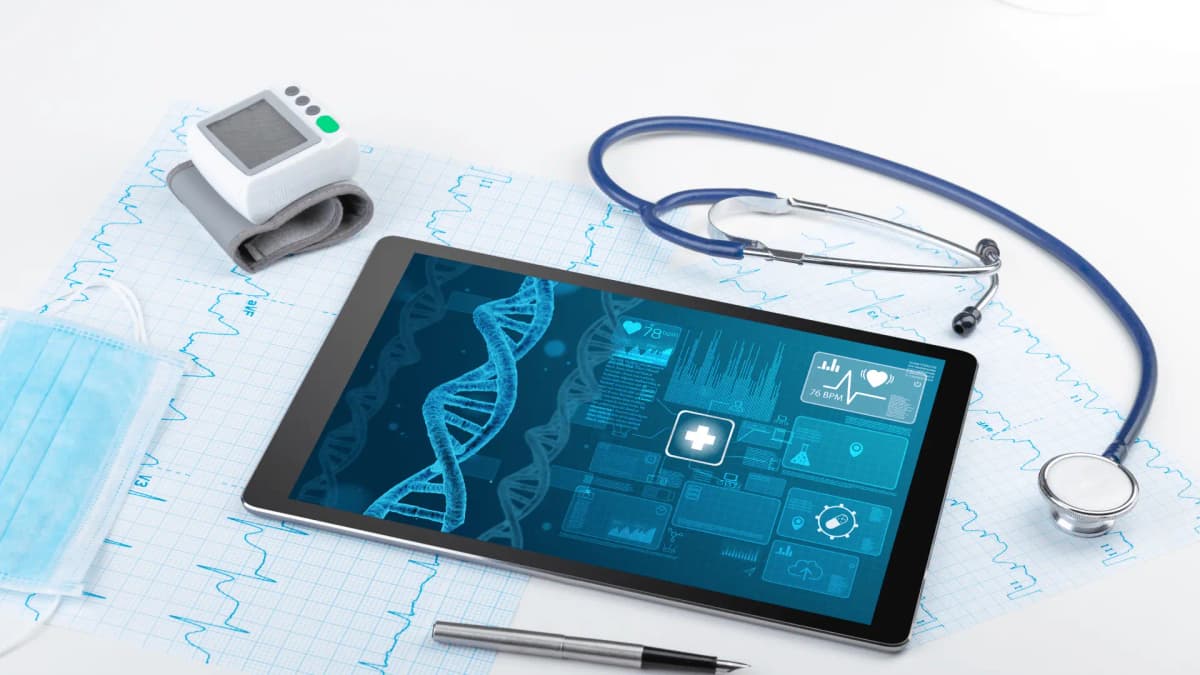
As healthcare technology continues to advance, medical devices are becoming more intelligent, connected, and data-driven. From wearable health monitors to life-saving devices like pacemakers and infusion pumps, modern medical equipment generates massive volumes of data every second. While this data has the potential to improve patient care significantly, it poses a major challenge: How do healthcare providers organize, analyze, and leverage it effectively? This is where the role of healthcare CRM in managing medical device data becomes crucial.
Healthcare Customer Relationship Management (CRM) systems have evolved from simple patient communication platforms into powerful data management tools. They now serve as centralized hubs for clinical, operational, and device-driven information, enabling smarter care delivery, faster decision-making, and better patient relationships.
Understanding Medical Device Data and Its Challenges
Medical device data includes real-time metrics such as heart rate, blood glucose levels, oxygen saturation, blood pressure, imaging scans, and more. Some devices operate continuously and generate large data streams, while others capture periodic snapshots.
However, managing this data comes with challenges:
- Disconnected systems and incompatible formats
- Lack of real-time monitoring and analysis
- Data silos across departments
- Compliance and regulatory requirements (like HIPAA)
- Manual tracking of device performance and patient usage
- Difficulty identifying actionable insights
Without an organized system, valuable data remains underutilized. Healthcare CRM platforms provide an intelligent solution by integrating medical device inputs into a unified ecosystem.
How Healthcare CRM Supports Medical Device Data Management
1. Centralized Data Repository
A CRM allows providers to store all device-generated data in one place. Instead of jumping between software systems, clinicians can view patient history, device readings, alerts, and analytics through a single interface. This centralized approach improves coordination between departments and eliminates duplicated data.
2. Real-Time Monitoring and Alerts
Modern CRM systems integrate with IoT-enabled medical devices to provide live updates. For example, if a device detects an abnormal heart rate or insulin level, the CRM can automatically notify physicians or caregivers. Real-time alerts enable immediate intervention, reducing hospitalizations and improving patient outcomes.
3. Enhanced Patient Lifecycle Tracking
Healthcare CRM tools not only record device data but also map it to each patient’s journey. It gives providers a complete timeline of diagnoses, treatments, device usage, and results. This helps improve patient follow-ups, treatment planning, and personalized care—all crucial in chronic disease management
Bridging the Gap Between Devices and Providers
Medical devices alone cannot improve patient care unless their data is accessible and usable. CRM systems bridge this gap by connecting data with human expertise.
- Physicians can see historical patterns before making decisions
- Care managers can monitor patient compliance with device usage
- Hospitals can automate reminders for device check-ups or replacements
- Support teams can resolve device-related issues faster
By transforming raw data into meaningful insights, CRM platforms enhance communication and collaboration across the care ecosystem.
Predictive Analytics and Decision Support
CRM powered by artificial intelligence and machine learning can analyze medical device data to identify trends, predict risk factors, and prevent complications. For example:
- A spike in blood pressure readings may indicate early cardiovascular risk
- Poor device usage patterns may signal low patient engagement
- Predictive models may warn providers about device malfunction
These insights help healthcare teams shift from reactive care to preventive, proactive treatment.
CRM in Medical Device Maintenance and Compliance
Medical devices must adhere to strict regulatory standards for safety and functionality. CRM helps by:
- Tracking device inventory and expiration dates
- Scheduling inspections, firmware updates, and calibration
- Documenting maintenance logs for regulatory audits
- Ensuring device compliance with FDA, MDR, or other healthcare standards
It reduces the risk of penalties, litigation, and patient harm—while extending device lifespan.
Improving Patient Engagement and Self-Management
Healthcare CRM plays a pivotal role in patient engagement by connecting device data with patient education and support tools. Examples include:
- Patient portals showing real-time monitoring results
- Automatic alerts reminding patients to use or recharge their devices
- Personalized instructions based on device data trends
- Integration with telemedicine platforms for remote consultations
With better visibility into their own health metrics, patients become more engaged and responsible in managing their conditions.
Benefits of Using Healthcare CRM for Medical Device Data
- Unified data access and transparency
- Reduced manual data entry and error rates
- Faster clinical response times
- Enhanced compliance and device safety
- Improved treatment accuracy and personalization
- Streamlined communication between providers, patients, and device manufacturers
- Better operational efficiency and cost reduction

Conclusion
The future of healthcare is driven by data, and medical devices are at the heart of that transformation. However, the real value of device data is realized only when it is properly captured, connected, and analyzed. That is why the role of healthcare CRM in managing medical device data is so significant.
By centralizing information, automating workflows, enabling real-time monitoring, and supporting predictive analytics, CRM systems empower healthcare providers to deliver smarter, safer, and more personalized care. As medical devices continue to evolve, healthcare organizations that invest in CRM integration now will be better positioned to optimize clinical outcomes, improve patient engagement, and thrive in a data-driven future.
The Doctorna editorial desk writes about healthcare operations, patient experience and the systems clinics use to connect them.