The Role of Healthcare CRM in Modern Hospital Operations
In the dynamic landscape of healthcare, hospitals face increasing pressure to deliver high-quality care while managing complex administrative tasks and


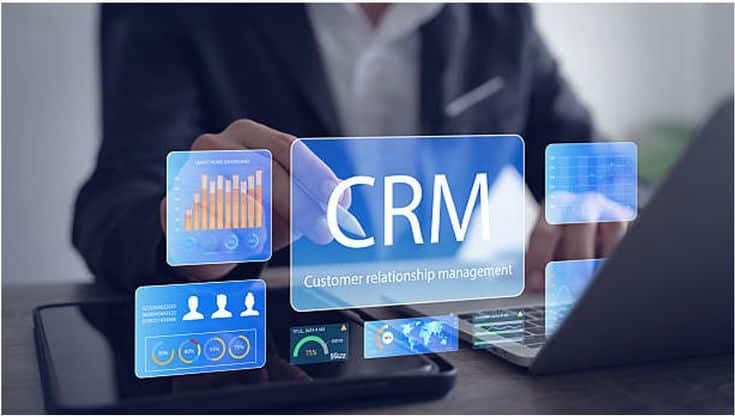
In the dynamic landscape of healthcare, hospitals face increasing pressure to deliver high-quality care while managing complex administrative tasks and patient expectations. One technology that has emerged as a game-changer in modern hospital operations is Customer Relationship Management (CRM). Understanding The Role of Healthcare CRM in Modern Hospital Operations is essential for hospitals seeking to optimize workflows, improve patient engagement, and achieve operational excellence.
What is Healthcare CRM?
Healthcare CRM is a technology platform that enables hospitals to manage patient relationships, streamline communication, and coordinate care efficiently. Unlike traditional administrative systems, healthcare CRM integrates patient information, scheduling, communication, and analytics into a single unified platform. By centralizing these functions, hospitals can operate more effectively while maintaining a patient-centered approach.
Improving Patient Communication
Effective communication is a cornerstone of hospital operations. Healthcare CRM systems facilitate clear, timely, and personalized communication with patients. From appointment reminders and test results to follow-up messages and preventive care notifications, CRM systems automate communication and ensure patients stay informed throughout their care journey.
Personalized communication helps build trust, encourages treatment adherence, and enhances patient satisfaction. It also reduces the burden on hospital staff, who no longer need to handle repetitive communication tasks manually.
Streamlining Appointment and Scheduling Workflows
One of the most time-consuming aspects of hospital operations is appointment management. Managing schedules for multiple departments, doctors, and specialists can be challenging. Healthcare CRM systems streamline this process by providing real-time scheduling tools, automated reminders, and seamless coordination across departments.
This automation reduces missed appointments, optimizes resource utilization, and ensures a smoother patient flow. Efficient scheduling not only improves hospital productivity but also enhances the overall patient experience.
Centralizing Patient Data
Modern hospitals generate vast amounts of patient data, including medical histories, lab results, imaging reports, and communication logs. Healthcare CRM centralizes this information, making it accessible to authorized staff across departments.
Centralized data ensures that all team members have the most up-to-date patient information, which improves care coordination, reduces errors, and supports informed decision-making. This holistic view of patient data also aids in personalized care, as providers can consider the patient’s history and preferences when planning treatment.
Enhancing Front Desk and Call Center Efficiency
Front desk staff and hospital call centers are often the first point of contact for patients. They handle inquiries, schedule appointments, and manage patient information. CRM systems streamline these workflows by automating routine tasks, organizing patient records, and providing quick access to information.
Automation reduces the administrative burden, improves response times, and ensures patients receive consistent and accurate information. As a result, hospitals can maintain high-quality service while managing growing patient volumes.
Supporting Data-Driven Decision Making
Healthcare CRM systems are equipped with analytics and reporting tools that provide actionable insights into hospital operations. Hospitals can track metrics such as patient satisfaction, appointment trends, treatment adherence, and staff performance.
Data-driven insights allow hospital administrators to identify areas for improvement, allocate resources more effectively, and optimize operational processes. By leveraging analytics, hospitals can enhance efficiency while maintaining high standards of patient care.
Facilitating Patient Engagement and Retention
Patient engagement is a key component of modern hospital operations. Engaged patients are more likely to follow treatment plans, attend follow-up appointments, and participate in preventive care programs. Healthcare CRM systems help hospitals maintain ongoing engagement through personalized communication, educational content, and wellness reminders.
Continuous engagement builds stronger relationships, encourages loyalty, and positions the hospital as a trusted healthcare provider. This focus on patient-centered care aligns with modern healthcare standards and improves long-term outcomes.
Reducing Operational Costs
Operational efficiency is a critical goal for hospitals. Healthcare CRM reduces administrative redundancies, minimizes manual errors, and automates routine tasks. This streamlining translates to cost savings, as staff can focus on high-priority clinical and operational activities.
Additionally, improved scheduling and resource allocation reduce waste and optimize hospital capacity, allowing for better management of both staff and facilities.
Ensuring Compliance and Data Security
Hospitals must comply with strict regulations regarding patient data privacy and security. Healthcare CRM systems are designed to meet these standards by implementing encryption, access controls, and audit trails. Integrated systems also maintain accurate and consistent records, supporting compliance with healthcare regulations.
Secure data management builds patient trust and protects the hospital from potential legal and regulatory issues, which is essential for modern healthcare operations.
Enhancing Interdepartmental Collaboration
Effective hospital operations rely on seamless collaboration between clinical, administrative, and support teams. Healthcare CRM systems facilitate collaboration by providing a centralized platform where departments can share information, track tasks, and coordinate workflows.
For example, when a patient is admitted, all relevant departments—including physicians, nursing staff, and billing—receive real-time updates. This ensures that care is coordinated, efficient, and patient-centered.
The Future of Hospital Operations with CRM
As technology advances, healthcare CRM systems are evolving to include artificial intelligence, predictive analytics, and integration with telehealth platforms. These innovations will further enhance operational efficiency by anticipating patient needs, automating complex workflows, and providing real-time decision support.
Hospitals that adopt advanced CRM solutions today will be better equipped to handle growing patient volumes, meet expectations, and deliver high-quality care in the future.
The Doctorna editorial desk writes about healthcare operations, patient experience and the systems clinics use to connect them.