
As the healthcare industry continues to evolve, clinics and hospitals are under increasing pressure to deliver high-quality care, streamline operations, and meet rising patient expectations. Traditional methods of managing patient relationships are no longer sufficient in a digital-first world. This is where Healthcare Customer Relationship Management (CRM) systems come into play. Understanding Why Clinics and Hospitals Need Healthcare CRM Solutions is essential for healthcare organizations that want to stay competitive, improve patient outcomes, and optimize internal processes.
Healthcare CRM platforms are transforming how care providers communicate with patients, manage data, coordinate treatments, and operate efficiently. They centralize patient information, automate workflows, support personalized engagement, and provide valuable analytics that enable better decision-making. Below, we explore the key reasons healthcare CRM solutions have become a necessity rather than an option.
1. Enhancing Patient Engagement and Satisfaction
One of the most important reasons Why Clinics and Hospitals Need Healthcare CRM Solutions is the ability to improve patient engagement. Modern patients expect seamless communication, quick responses, and personalized interaction.
How CRM Enhances Engagement:
- Automated appointment reminders
- Personalized care messages
- Post-treatment follow-ups
- Patient education materials
- Wellness campaign automation
By providing timely and relevant communication, clinics can significantly enhance the patient experience, increase satisfaction, and build stronger patient relationships.
2. Improving Care Coordination Across Departments
Healthcare involves multiple stakeholders—physicians, nurses, lab technicians, administrative teams, and more. Poor coordination can lead to treatment delays, errors, and miscommunication.
A healthcare CRM provides a unified view of the patient, ensuring all departments:
- Have access to real-time patient data
- Can track treatment history and progress
- Communicate seamlessly through shared records
- Work collaboratively for faster decision-making
Better coordination leads to more accurate treatment plans, improved patient outcomes, and smoother clinic operations.
3. Streamlining Administrative Workflows
Healthcare facilities often struggle with administrative overload—paperwork, scheduling challenges, manual data entry, and billing management. A CRM automates these tasks, reducing the strain on staff and improving overall efficiency.
Key Workflow Automation Benefits:
- Automatic follow-up scheduling
- Digital patient intake forms
- Task reminders for staff
- Reduced manual data entry
- Automated billing notifications
When administrative tasks run smoothly, staff can focus more on patient care instead of paperwork.
4. Reducing Patient No-Shows and Missed Appointments
Missed appointments lead to significant revenue loss and disrupt clinical schedules. A healthcare CRM reduces no-shows by automating:
- SMS, email, and app-based reminders
- Confirmations and rescheduling prompts
- Follow-ups for no-show patients
Better attendance means higher productivity and better patient management.
5. Supporting Targeted Marketing and Patient Retention
In today’s competitive healthcare market, patient retention is just as important as acquisition. CRMs help clinics attract, engage, and retain patients through smart marketing tools.
CRM Marketing Features Include:
- Segmented email and SMS campaigns
- Reactivation campaigns for inactive patients
- Service-specific promotions
- Referral program tracking
- Feedback and review management
By understanding patient behavior and preferences, clinics can tailor their outreach, strengthen relationships, and increase loyalty.
6. Enhancing Data Accuracy and Centralization
Healthcare providers often deal with scattered patient records across multiple systems. This fragmentation leads to errors and inefficiencies. A CRM consolidates all patient information in one place, ensuring accuracy and accessibility.
Centralizing data helps clinics:
- Reduce duplicates and inconsistencies
- Facilitate better clinical decisions
- Access complete patient histories
- Improve communication across departments
Data accuracy is essential for high-quality care and operational excellence.
7. Enabling Predictive Insights and Better Decision-Making
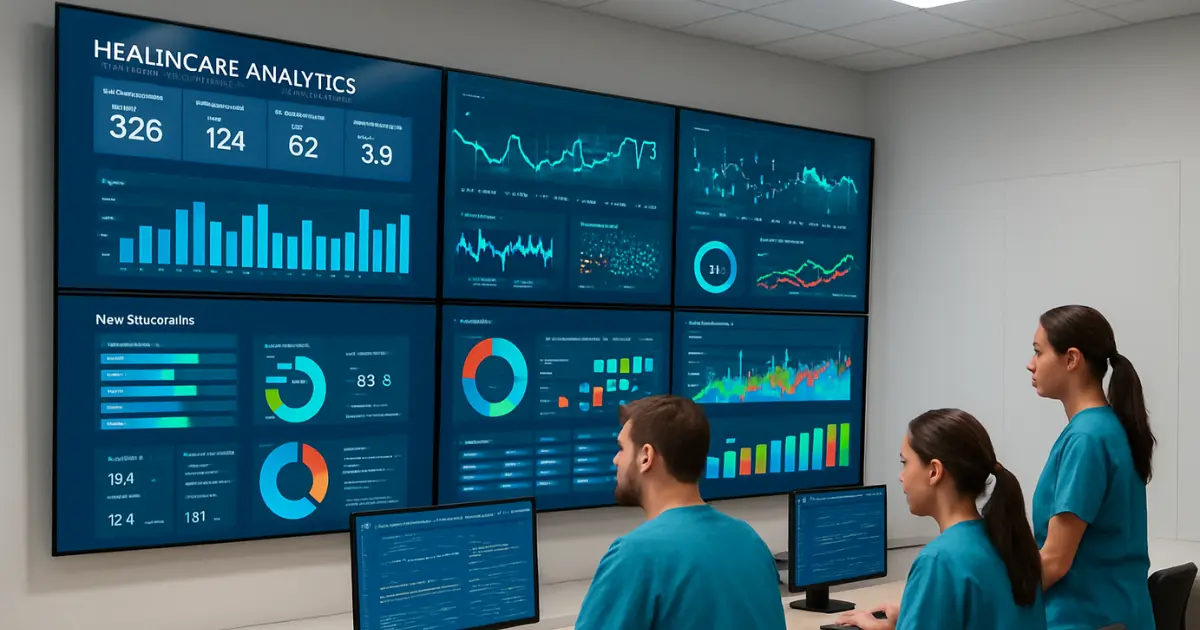
A major reason Why Clinics and Hospitals Need Healthcare CRM Solutions is the growing importance of data-driven decision-making. Advanced CRMs offer analytics that predict patient needs, optimize staffing, and forecast demand.
Predictive Insights Can Identify:
- Patients at risk of chronic disease
- Likely no-show patients
- Seasonal spikes in appointments
- Performance of marketing campaigns
- Operational bottlenecks
These insights empower healthcare leaders to make smarter, faster, and more accurate decisions.
8. Strengthening Data Security and Compliance
With increasing cyber threats, healthcare organizations must protect patient data. CRMs come with strong security features that ensure compliance with regulations like HIPAA, GDPR, and local healthcare data laws.
Key Security Features Include:
- Data encryption
- Role-based access control
- Audit logs
- Multi-factor authentication
- Secure cloud storage
Secure systems protect clinics from breaches, legal issues, and reputational damage.
9. Supporting Telehealth and Digital Care Delivery
As telehealth continues to grow, CRMs play a crucial role in supporting digital care. They integrate with telemedicine platforms, enabling clinics to deliver virtual consultations, patient messaging, and digital monitoring.
Telehealth CRM Features:
- Video consultation scheduling
- Digital follow-ups
- Secure messaging
- Remote patient monitoring data integration
These features make care more accessible and convenient for patients.

Conclusion
Understanding Why Clinics and Hospitals Need Healthcare CRM Solutions is essential for any organization aiming to thrive in the digital healthcare era. CRM systems enhance patient engagement, improve communication, streamline operations, support marketing efforts, and provide crucial data insights. They enable clinics and hospitals to deliver better care while improving efficiency and driving long-term growth.
A healthcare CRM is not just a technology tool—it is a strategic asset that elevates patient experience and empowers healthcare providers to operate at their highest potential.