
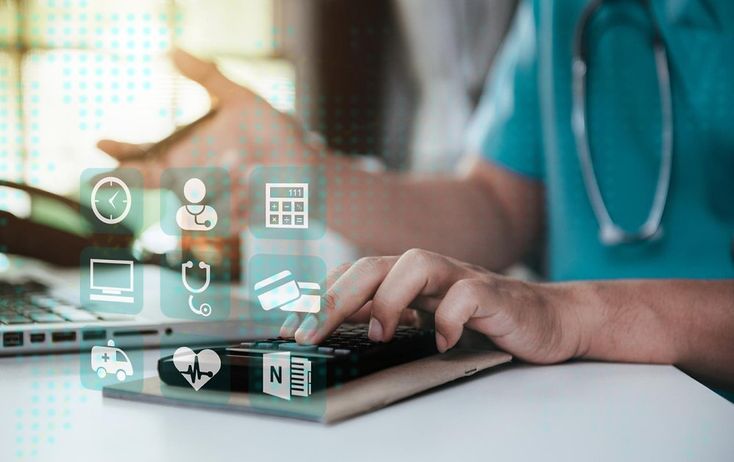
Healthcare is undergoing a rapid digital transformation. As patient expectations continue to rise and hospitals face increasing demands for efficiency, technology has become essential for delivering high-quality care. Smart hospitals are emerging as the future of healthcare, integrating advanced technologies to improve patient experiences, streamline operations, and support better clinical outcomes.
Among the technologies driving this transformation, Healthcare Customer Relationship Management (CRM) systems play a critical role. Understanding Why Healthcare CRM Is the Future of Smart Hospitals helps healthcare organizations recognize the value of patient-centered technology in building more connected, efficient, and data-driven healthcare environments.
By combining patient engagement, communication, automation, and analytics into a single platform, healthcare CRM solutions are helping hospitals evolve into smarter and more responsive institutions.
What Is a Healthcare CRM?
A Healthcare CRM is a specialized software platform designed to manage patient relationships, communication, engagement, and operational workflows. Unlike traditional CRM systems, healthcare CRMs are tailored to meet the unique needs of hospitals, clinics, and healthcare providers.
Healthcare CRM systems help organizations:
- Manage patient interactions
- Improve communication
- Automate administrative processes
- Track patient journeys
- Enhance patient engagement
- Support data-driven decision-making
As smart hospitals continue to embrace digital technologies, CRM platforms are becoming a central component of modern healthcare management.
The Rise of Smart Hospitals
Smart hospitals use interconnected technologies to improve efficiency, patient care, and operational performance. These facilities leverage digital tools such as electronic health records, telemedicine, artificial intelligence, automation, and advanced analytics.
Key goals of smart hospitals include:
- Delivering personalized care
- Enhancing patient experiences
- Improving operational efficiency
- Reducing administrative burdens
- Supporting data-driven healthcare
Healthcare CRM systems align perfectly with these objectives, making them a foundational technology for future-ready hospitals.
Enhancing Patient-Centered Care
One of the primary reasons Healthcare CRM Is the Future of Smart Hospitals is its ability to support patient-centered care. Modern patients expect personalized experiences, timely communication, and easy access to healthcare services.
Healthcare CRM systems help hospitals:
- Personalize patient interactions
- Track communication history
- Deliver targeted health information
- Manage follow-up care
- Improve patient engagement
By understanding patient preferences and behaviors, hospitals can provide more meaningful and effective care experiences.
Centralizing Patient Information
Smart hospitals depend on accurate and accessible information. Healthcare CRM platforms centralize patient-related data, creating a unified view of each patient’s journey.
Information may include:
- Contact details
- Appointment history
- Communication records
- Referral information
- Feedback and satisfaction data
- Engagement activities
Centralized data improves coordination across departments and enables healthcare professionals to access critical information quickly when making decisions.
Improving Patient Engagement
Patient engagement is a major focus of modern healthcare. Engaged patients are more likely to follow treatment plans, attend appointments, and actively participate in their healthcare journey.
Healthcare CRM systems support engagement through:
- Automated appointment reminders
- Preventive care notifications
- Health education campaigns
- Personalized communication
- Patient satisfaction surveys
These features help hospitals maintain strong relationships with patients while encouraging better health outcomes.
Streamlining Hospital Operations
Administrative inefficiencies can create significant challenges for healthcare organizations. Smart hospitals rely on automation to reduce manual workloads and improve productivity.
Healthcare CRM systems automate various processes, including:
- Appointment scheduling
- Patient follow-ups
- Communication workflows
- Referral management
- Feedback collection
Automation saves time, reduces errors, and allows healthcare staff to focus more on patient care rather than administrative tasks.
Supporting Data-Driven Decision Making
Data is one of the most valuable assets in healthcare. Smart hospitals use analytics to improve services, allocate resources effectively, and identify opportunities for growth.
Healthcare CRM platforms provide insights into:
- Patient engagement trends
- Appointment patterns
- Referral performance
- Patient satisfaction levels
- Service demand
Access to real-time data enables hospital leaders to make informed decisions that improve operational performance and patient experiences.
Facilitating Seamless Communication
Effective communication is essential in a smart hospital environment. Healthcare CRM systems enable seamless communication between hospitals and patients through multiple channels.
Communication tools often include:
- SMS notifications
- Email campaigns
- Patient portals
- Automated alerts
- Follow-up messaging
Consistent communication helps patients stay informed and connected throughout their healthcare journey.
Integrating with Healthcare Technologies
A defining characteristic of smart hospitals is interoperability. Healthcare CRM systems can integrate with various healthcare technologies to create a connected digital ecosystem.
Common integrations include:
- Electronic Health Records (EHR)
- Telemedicine platforms
- Hospital information systems
- Billing and payment systems
- Patient engagement tools
These integrations eliminate information silos and improve collaboration across healthcare departments.
Supporting Predictive Healthcare Strategies
As healthcare becomes more data-driven, predictive analytics is playing an increasingly important role in patient care and hospital management.
Healthcare CRM systems can support predictive strategies by helping organizations:
- Identify high-risk patients
- Monitor patient engagement trends
- Forecast appointment demand
- Improve patient retention
- Optimize resource planning
Predictive capabilities allow hospitals to take proactive measures that improve efficiency and patient outcomes.
Enhancing Patient Satisfaction and Loyalty
Patient satisfaction is a critical measure of healthcare quality. Hospitals that deliver positive experiences are more likely to retain patients and build strong community reputations.
Healthcare CRM systems contribute to higher satisfaction by:
- Personalizing interactions
- Reducing communication delays
- Improving appointment management
- Ensuring consistent follow-up care
- Responding to patient feedback effectively
Satisfied patients are more likely to trust their healthcare providers and remain loyal over time.
Strengthening Population Health Management
Smart hospitals are increasingly focused on population health initiatives that improve outcomes across communities.
Healthcare CRM systems help by:
- Segmenting patient populations
- Tracking preventive care participation
- Managing outreach campaigns
- Monitoring health trends
- Supporting targeted interventions
These capabilities enable hospitals to address community health needs more effectively.
The Future of Healthcare CRM in Smart Hospitals
The future of healthcare CRM is closely tied to innovations in artificial intelligence, machine learning, automation, and predictive analytics.
Emerging capabilities may include:
- AI-powered patient engagement
- Intelligent appointment scheduling
- Automated care coordination
- Personalized health recommendations
- Advanced predictive analytics
As these technologies continue to evolve, healthcare CRM systems will become even more powerful tools for supporting smart hospital operations.
Conclusion
Understanding Why Healthcare CRM Is the Future of Smart Hospitals highlights the growing importance of patient-centered technology in modern healthcare. By improving communication, enhancing patient engagement, streamlining operations, centralizing information, and supporting data-driven decisions, healthcare CRM systems are helping hospitals become smarter, more efficient, and more responsive to patient needs.
As healthcare organizations continue their digital transformation journey, CRM platforms will remain a key component of smart hospital strategies. Hospitals that embrace healthcare CRM technology today will be better positioned to deliver exceptional patient experiences, improve operational performance, and meet the evolving demands of the healthcare industry in the years ahead.