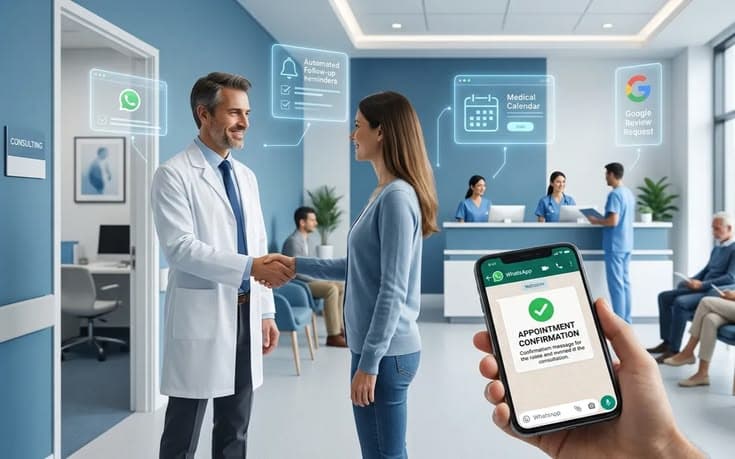
Why Insurance Claim Processing Improves With Healthcare CRM
In the fast-paced world of healthcare, efficient insurance claim processing is crucial for both providers and patients. Delays, errors, and


In the fast-paced world of healthcare, efficient insurance claim processing is crucial for both providers and patients. Delays, errors, and mismanagement of claims can lead to financial losses, patient dissatisfaction, and increased administrative burdens. The integration of Customer Relationship Management (CRM) systems in healthcare has emerged as a transformative solution. Understanding why insurance claim processing improves with healthcare CRM highlights how healthcare organizations can streamline operations, reduce errors, and enhance patient experiences.
Understanding Healthcare CRM
A Customer Relationship Management (CRM) system in healthcare is designed to manage interactions between providers and patients. While traditionally associated with sales and marketing, CRMs in healthcare serve a broader purpose: managing patient engagement, communication, appointments, follow-ups, and administrative workflows.
By centralizing patient data and automating routine tasks, healthcare CRMs offer a holistic view of patient interactions, which directly impacts processes like insurance claim management.
The Challenges of Traditional Insurance Claim Processing
Insurance claim processing is often complex, involving multiple stakeholders: patients, providers, insurance companies, and third-party administrators. Common challenges include:
- Data inaccuracies: Missing or incorrect patient information leads to claim denials.
- Manual processes: Relying on paperwork or unintegrated systems slows down processing.
- Lack of visibility: Providers and patients often cannot track claim status in real-time.
- Delayed reimbursements: Administrative inefficiencies increase the time taken for payments, affecting cash flow.
Healthcare CRMs address these challenges by integrating patient and administrative data into a single platform.
How Healthcare CRM Improves Insurance Claim Processing
1. Centralized Patient and Insurance Data
Healthcare CRMs consolidate patient demographics, insurance information, treatment history, and communication records in one place. This centralization ensures that claims are submitted with accurate and complete information, reducing the risk of errors and denials.
For instance, a CRM can automatically retrieve a patient’s insurance policy details, co-pay information, and coverage limits, ensuring the claims team has all necessary data before submission.
2. Automated Workflows and Task Management
CRMs streamline administrative workflows by automating routine tasks such as claim submission, follow-ups, and reminders. Automated workflows reduce manual effort, accelerate processing, and ensure that no claim is overlooked.
By assigning tasks and tracking their completion, healthcare CRMs maintain accountability and efficiency within the claims management team.
3. Enhanced Communication Between Stakeholders
Effective claim processing requires communication between providers, insurance companies, and patients. Healthcare CRMs facilitate seamless communication by logging all interactions in a centralized system.
For example, if an insurance company requests additional documentation, the CRM alerts the relevant team member and tracks the response. Patients can also receive real-time updates about their claim status, improving transparency and satisfaction.
4. Error Reduction and Compliance
Errors in insurance claims can lead to denials, delayed reimbursements, or legal complications. CRM systems reduce these errors by validating data, ensuring compliance with healthcare regulations, and maintaining detailed records.
Integrated CRMs can flag discrepancies, missing information, or policy limitations before a claim is submitted, minimizing costly mistakes and ensuring compliance with HIPAA and other regulatory requirements.
5. Analytics and Reporting for Process Optimization
Healthcare CRMs offer robust analytics and reporting capabilities. Providers can monitor claim submission rates, approval times, denial rates, and reimbursement timelines.
This data enables continuous improvement in claim management processes. For example, analyzing denial trends may reveal common documentation gaps, allowing the claims team to proactively address these issues.
6. Improved Patient Experience
Efficient insurance claim processing directly impacts patient satisfaction. Delays or repeated denials create frustration and erode trust. By leveraging CRM systems, healthcare providers can ensure faster claim approvals and transparent communication.
Patients benefit from timely updates, clear explanations of coverage, and proactive support during the claims process. A smooth claim experience fosters loyalty and reinforces a positive relationship with the healthcare provider.
7. Scalability for Growing Practices
As healthcare organizations grow, managing an increasing volume of claims becomes challenging. CRM systems are scalable, allowing providers to handle higher volumes without compromising accuracy or efficiency. Automation, centralized data, and analytics support growth while maintaining quality in claim management.
Challenges and Considerations
While healthcare CRMs significantly improve insurance claim processing, organizations must consider:
- Integration with EHRs and billing systems: Seamless data exchange between clinical, billing, and CRM systems is critical.
- Data security: Protecting sensitive patient and insurance data is essential to maintain compliance.
- Staff training: Teams must understand how to use CRM tools effectively for maximum efficiency.
Addressing these considerations ensures successful implementation and maximizes the benefits of CRM adoption.

Conclusion
Efficient insurance claim processing is vital for healthcare providers to maintain financial stability and deliver excellent patient experiences. By centralizing data, automating workflows, enhancing communication, reducing errors, and providing actionable insights, healthcare CRMs transform the claim management process.
Understanding why insurance claim processing improves with healthcare CRM underscores the strategic value of adopting these systems. Beyond operational efficiency, healthcare CRMs enhance transparency, compliance, and patient satisfaction, making them an indispensable tool for modern healthcare organizations.
The Doctorna editorial desk writes about healthcare operations, patient experience and the systems clinics use to connect them.