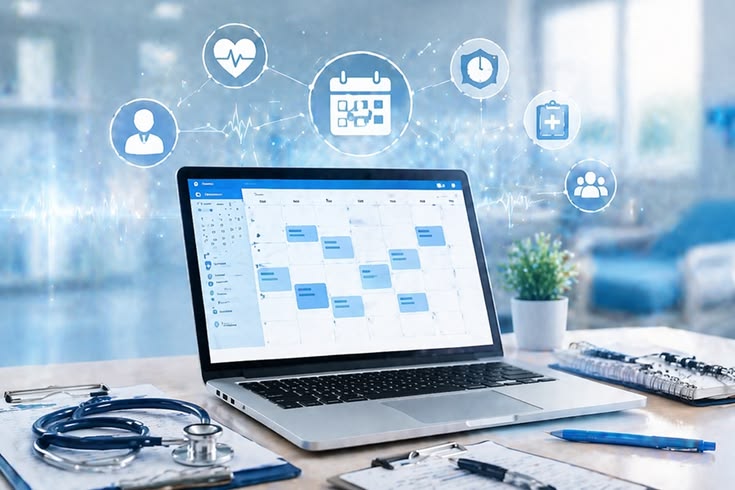


Healthcare organizations are continuously adopting digital technologies to provide better patient care and improve operational efficiency. As patient expectations grow and healthcare services become more complex, managing relationships effectively has become an essential part of delivering quality care. Understanding How Healthcare CRM Helps Improve Healthcare Outcomes allows hospitals, clinics, and healthcare providers to leverage technology that enhances communication, streamlines workflows, and supports informed decision-making.
Healthcare Customer Relationship Management (CRM) software is designed to manage patient interactions throughout the healthcare journey. By centralizing patient information, automating communication, and providing valuable insights, Healthcare CRM enables providers to deliver more coordinated, personalized, and efficient healthcare services.
Enhances Patient Engagement
Patient engagement plays a significant role in achieving positive healthcare outcomes. When patients are actively involved in their healthcare journey, they are more likely to follow treatment plans and attend scheduled appointments.
Healthcare CRM supports engagement by providing:
- Appointment reminders
- Follow-up notifications
- Preventive care alerts
- Health education messages
- Wellness campaign updates
Regular communication encourages patients to stay informed and participate actively in maintaining their health.
Improves Communication Between Patients and Providers
Effective communication builds trust and helps patients feel supported throughout their treatment. Healthcare CRM creates multiple communication channels that make it easier for providers to stay connected with patients.
Communication features include:
- SMS notifications
- Email updates
- Appointment confirmations
- Secure messaging
- Feedback collection
Clear communication reduces misunderstandings and improves the overall patient experience.
Supports Personalized Patient Care
Every patient has unique healthcare needs. Healthcare CRM stores patient preferences, communication history, and service records in one centralized system, enabling providers to deliver personalized care.
Personalized services may include:
- Individualized follow-up schedules
- Customized wellness reminders
- Relevant health education
- Targeted preventive care campaigns
Personalized communication helps strengthen patient relationships and improve satisfaction.
Streamlines Care Coordination
Patients often receive care from multiple healthcare professionals and departments. Healthcare CRM improves coordination by providing a unified view of patient interactions and communication history.
Benefits include:
- Better collaboration among healthcare teams
- Faster access to patient information
- Reduced duplication of administrative tasks
- More consistent patient experiences
Improved coordination supports safer and more efficient healthcare delivery.
Reduces Missed Appointments
Missed appointments can delay treatment and affect healthcare outcomes. Healthcare CRM automates reminders that encourage patients to attend scheduled visits.
Common reminder methods include:
- SMS alerts
- Email notifications
- Automated phone reminders
- Calendar confirmations
Reducing no-show rates improves clinic efficiency while ensuring patients receive timely care.
Automates Administrative Workflows
Administrative processes often consume valuable staff time. Healthcare CRM automates routine tasks, allowing healthcare professionals to focus more on patient care.
Automation features include:
- Appointment scheduling
- Patient registration
- Follow-up communication
- Reminder campaigns
- Report generation
Automation improves productivity and minimizes manual errors.
Provides Actionable Data and Analytics
Healthcare CRM collects valuable information that helps organizations monitor performance and improve services.
Analytics can provide insights into:
- Patient engagement
- Appointment trends
- Communication effectiveness
- Patient satisfaction
- Retention rates
- Operational efficiency
These insights enable healthcare leaders to make evidence-based decisions that improve patient outcomes.
Supports Preventive Healthcare
Preventive care is essential for reducing the risk of chronic diseases and promoting long-term wellness. Healthcare CRM helps providers communicate proactively with patients about preventive healthcare services.
CRM can be used to send reminders for:
- Vaccinations
- Health screenings
- Annual check-ups
- Wellness programs
- Lifestyle education
Encouraging preventive care contributes to healthier patient populations and better long-term outcomes.
Enhances Telehealth Services
Telehealth has become an important component of modern healthcare. Healthcare CRM supports virtual care by managing communication before, during, and after remote consultations.
CRM capabilities include:
- Telehealth appointment scheduling
- Virtual consultation reminders
- Digital follow-up messages
- Patient engagement campaigns
These tools help maintain continuity of care across both in-person and virtual healthcare services.
Improves Patient Retention
Patients who receive consistent communication and personalized support are more likely to continue using the same healthcare provider.
Healthcare CRM supports retention through:
- Ongoing patient engagement
- Wellness newsletters
- Satisfaction surveys
- Preventive care campaigns
- Personalized follow-up communication
Long-term patient relationships contribute to improved continuity of care and better health outcomes.
Strengthens Data Security and Compliance
Protecting patient information is fundamental to quality healthcare. Modern Healthcare CRM platforms include robust security measures that help safeguard sensitive patient data.
Security features often include:
- Data encryption
- Secure user authentication
- Role-based access controls
- Activity monitoring
- Compliance support
Strong data protection builds patient trust and supports regulatory requirements.
Supports Continuous Quality Improvement
Healthcare organizations must continually evaluate and improve their services. Healthcare CRM enables providers to collect patient feedback, monitor performance, and identify opportunities for enhancement.
Continuous improvement initiatives may focus on:
- Service quality
- Patient satisfaction
- Workflow optimization
- Communication effectiveness
- Operational performance
Regular evaluation helps organizations adapt to changing patient needs and healthcare standards.
Understanding How Healthcare CRM Helps Improve Healthcare Outcomes demonstrates the important role technology plays in modern healthcare delivery. By improving patient engagement, streamlining communication, supporting personalized care, automating workflows, and providing valuable insights, Healthcare CRM enables healthcare organizations to deliver more efficient and patient-centered services.
As healthcare continues to embrace digital transformation, investing in Healthcare CRM allows hospitals and clinics to strengthen patient relationships, improve operational performance, and achieve better healthcare outcomes. Organizations that effectively implement CRM technology are well positioned to provide high-quality care while meeting the evolving expectations of patients and healthcare professionals.