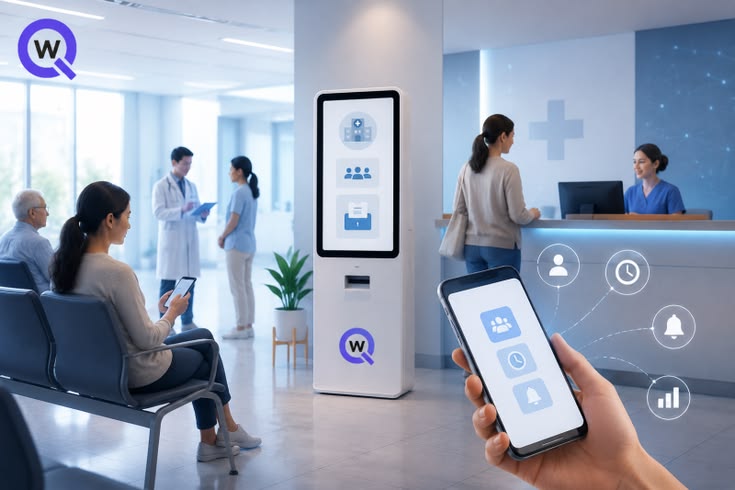


Artificial intelligence is transforming the healthcare industry by making patient communication more efficient, personalized, and accessible. One of the most important developments in this area is the use of AI patient engagement platforms. These digital solutions help healthcare organizations communicate with patients, automate routine interactions, provide timely information, and improve the overall patient experience.
What Are AI Patient Engagement Platforms?
AI patient engagement platforms are digital healthcare solutions that use artificial intelligence to support communication and interaction between patients and healthcare providers. They can combine technologies such as chatbots, machine learning, natural language processing, automation, predictive analytics, and personalized messaging.
These platforms can help patients access information, receive reminders, schedule appointments, follow treatment plans, and communicate with healthcare teams through digital channels.
How AI Improves Patient Communication
Traditional patient communication can involve phone calls, emails, and manual follow-ups. While these methods remain useful, they can become time-consuming for healthcare teams, especially when handling large numbers of patients.
AI-powered platforms can automate many routine communications. Patients may receive appointment reminders, follow-up messages, medication notifications, educational content, and other relevant updates without requiring staff to manually send each message.
This helps healthcare organizations maintain consistent communication while allowing staff to focus on more complex patient needs.
Personalized Patient Experiences
Every patient has different needs, preferences, and healthcare journeys. AI can analyze available patient information and interaction patterns to support more personalized communication.
For example, a platform can deliver educational information based on a patient’s treatment journey or send reminders that are relevant to upcoming appointments or recommended follow-ups.
Personalization can make communication more useful and help patients feel better supported throughout their healthcare experience.
AI Chatbots and Virtual Assistants
AI chatbots are becoming an important part of digital patient engagement. They can provide answers to common questions and guide patients toward appropriate resources.
Virtual assistants may help patients understand clinic services, find appointment information, complete basic administrative tasks, or navigate digital healthcare platforms.
When designed appropriately, these tools can provide support outside traditional working hours while reducing the volume of repetitive inquiries handled by healthcare staff.
Appointment Scheduling and Reminders
Missed appointments can affect both patients and healthcare organizations. AI patient engagement platforms can help reduce this problem through automated appointment communication.
Patients can receive reminders through preferred communication channels and, where supported, may be able to confirm, cancel, or reschedule appointments digitally.
Automation can make appointment management more convenient while helping healthcare teams organize schedules more efficiently.
Supporting Treatment Adherence
Following a treatment plan consistently can be challenging for some patients. AI-powered engagement systems can provide reminders and educational messages designed to support adherence.
Depending on the healthcare application, patients may receive reminders related to medication schedules, follow-up appointments, lifestyle recommendations, or post-treatment instructions.
These communications can help patients remain informed and engaged throughout their healthcare journey.
Continuous Patient Engagement
Patient engagement should not end when a consultation is completed. Healthcare organizations can use AI platforms to maintain communication before, during, and after treatment.
Automated follow-ups can help organizations stay connected with patients and provide relevant information at different stages of care. This creates a more continuous digital experience rather than limiting communication to individual appointments.
Data-Driven Insights
AI platforms can also help healthcare organizations understand patient engagement patterns. Data from interactions, communications, appointments, and feedback can provide useful insights into patient behavior.
Healthcare teams can use these insights to identify communication gaps, improve workflows, and develop more effective engagement strategies.
However, healthcare organizations should ensure that data is handled responsibly and according to applicable privacy and security requirements.
Integration With Healthcare Systems
The effectiveness of an AI patient engagement platform can increase when it works alongside existing healthcare systems. Integration with electronic health records, CRM platforms, appointment systems, communication tools, and other healthcare technologies can reduce information silos.
Connected systems can help staff access relevant information more efficiently and create a smoother patient experience across different communication channels.
Benefits for Healthcare Organizations
AI patient engagement platforms can provide several operational benefits. Automation can reduce repetitive administrative work, improve response times, support consistent communication, and help staff manage large patient populations.
Healthcare organizations can also use these platforms to improve patient satisfaction, strengthen follow-up processes, and create more efficient communication workflows.
The exact benefits depend on the platform’s capabilities, integration options, implementation strategy, and the organization’s specific requirements.
The Future of AI Patient Engagement
As artificial intelligence continues to evolve, patient engagement platforms are likely to become more intelligent and personalized. Predictive analytics, conversational AI, voice technology, remote monitoring, and automated workflows may create new opportunities for healthcare organizations to interact with patients.
The focus will increasingly move toward proactive engagement, where healthcare systems can identify opportunities for communication and support before patients need to initiate contact.