

Technology has become an essential part of modern healthcare. From digital patient records and telemedicine to healthcare CRM systems and artificial intelligence, healthcare organizations are using technology to improve efficiency and deliver more connected services. Healthcare IT solutions for better patient care can help providers streamline operations, improve communication, support clinical workflows, and create a more convenient patient experience.
What Are Healthcare IT Solutions?
Healthcare IT solutions include digital technologies designed to support healthcare providers, clinics, hospitals, and other medical organizations. These solutions can cover patient management, electronic health records, telehealth, appointment scheduling, healthcare CRM, medical software, data analytics, communication platforms, and more.
When properly implemented, healthcare IT can connect different areas of healthcare delivery and make important information more accessible to authorized users.
Improving Patient Information Management
Managing patient information efficiently is essential for delivering quality care. Traditional paper-based processes can make it difficult to organize, update, and retrieve important information.
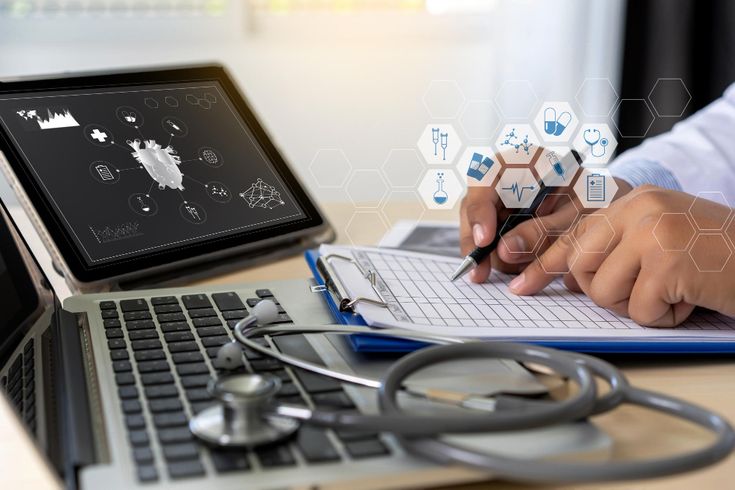
Electronic health records and digital patient management systems allow authorized healthcare professionals to access relevant patient information more efficiently. Digital records can help organize medical histories, appointments, reports, treatment information, and other important data.
Better information management can support more informed decision-making and reduce unnecessary administrative work.
Streamlining Appointment Management
Appointment scheduling is a major part of healthcare administration. Manual scheduling can lead to delays, missed appointments, and unnecessary communication between patients and staff.
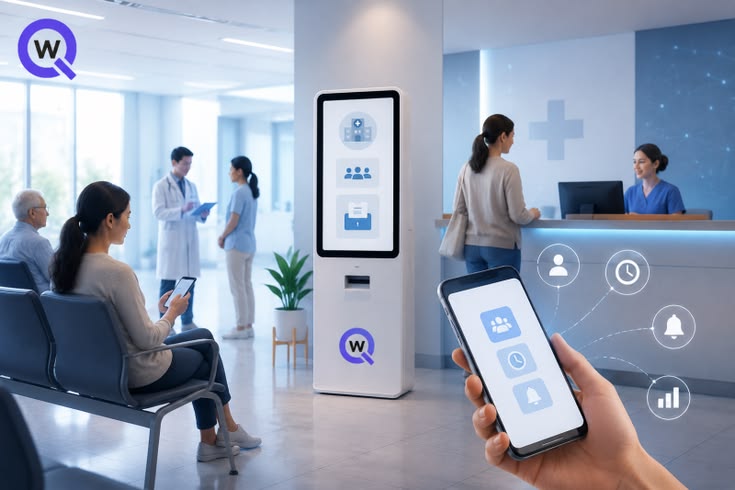
Healthcare IT solutions can provide online appointment booking, automated confirmations, reminders, and scheduling management. Patients can often select available appointment slots digitally, while staff can manage schedules from a centralized system.
This creates a more convenient experience for patients and helps healthcare organizations manage their resources more effectively.
Enhancing Patient Communication
Effective communication can have a significant impact on the patient experience. Healthcare IT platforms can help organizations communicate with patients through multiple digital channels.
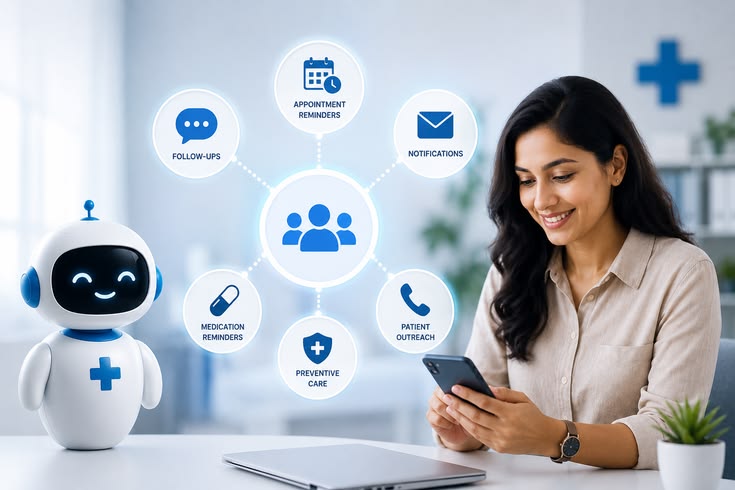
SMS, email, messaging applications, portals, and automated notifications can be used to provide appointment reminders, follow-up instructions, educational information, and other relevant updates.
Centralizing communication can also help healthcare teams maintain consistent interactions throughout the patient journey.
Supporting Telehealth Services
Telehealth has made healthcare services more accessible to patients who may have difficulty visiting a healthcare facility.
Healthcare IT solutions can support video consultations, digital appointment scheduling, online communication, and remote patient interactions. These technologies can be particularly useful for follow-up consultations and situations where an in-person visit may not be necessary.
Telehealth can complement traditional healthcare services while offering patients greater flexibility.
Using Healthcare CRM Systems
Healthcare CRM systems are designed to manage patient relationships and engagement. They can help healthcare organizations organize inquiries, appointments, communication, follow-ups, feedback, and other patient interactions.
Automated workflows can reduce repetitive administrative tasks while helping staff maintain timely communication with patients.
A well-integrated CRM can contribute to a more organized patient journey from the first inquiry through post-treatment follow-up.
Artificial Intelligence in Healthcare
Artificial intelligence is creating new opportunities for healthcare organizations. AI-powered tools can assist with patient communication, administrative automation, data analysis, and other healthcare processes.
AI chatbots, for example, can respond to common patient questions and provide basic information. Predictive analytics can help organizations identify patterns in healthcare data, while automation can support routine administrative workflows.
AI should be implemented responsibly, with appropriate human oversight, privacy protections, and security measures.
Remote Patient Monitoring
Remote patient monitoring technologies allow healthcare providers to collect certain health-related information from patients outside traditional clinical settings.
Connected devices and digital platforms can transmit relevant data to healthcare teams, depending on the specific solution and clinical use case.
Remote monitoring can support ongoing care and help healthcare professionals maintain greater visibility into patient information between appointments.
Improving Healthcare Workflows
Healthcare professionals often spend considerable time on administrative activities. Poorly connected systems can make workflows more complicated and increase repetitive work.
Integrated healthcare IT solutions can connect different processes and reduce unnecessary manual tasks. Automated notifications, digital forms, centralized information, and workflow management tools can help teams work more efficiently.
Improved workflows allow healthcare professionals to dedicate more time to patient-focused responsibilities.
Protecting Patient Data
Healthcare organizations handle highly sensitive information, making cybersecurity and privacy essential considerations when implementing IT solutions.
Healthcare technology should incorporate appropriate access controls, authentication, encryption, monitoring, backups, and security procedures. Organizations must also consider the privacy and regulatory requirements applicable to their location and services.
Strong security practices help protect patient information and maintain trust.
Data Analytics for Better Decisions
Healthcare organizations generate significant amounts of information every day. Data analytics tools can help transform this information into useful insights.
Organizations can analyze operational performance, appointment patterns, patient engagement, communication activity, and other relevant metrics. These insights can help identify inefficiencies and support improvements in healthcare delivery.
Creating a Better Patient Experience
The ultimate goal of healthcare technology should be to support better patient care and experiences. Patients increasingly expect convenient appointment booking, timely communication, easy access to information, and flexible healthcare services.
Healthcare IT solutions can connect these elements into a more seamless digital journey. When technology is designed around actual patient needs, it can improve convenience while supporting healthcare teams behind the scenes.