

Managing a small clinic involves much more than providing quality healthcare. Clinic teams also need to handle appointments, patient communication, follow-ups, records, billing coordination, and administrative tasks. When these activities are managed manually across spreadsheets, phone calls, emails, and paper records, important information can easily become difficult to track.
A Healthcare CRM can help small clinics organize patient interactions, automate routine communication, improve follow-up processes, and create a more efficient workflow. Rather than being useful only for large hospitals, healthcare CRM solutions can provide practical benefits for clinics of different sizes.
What Is a Healthcare CRM?
A Healthcare CRM is a customer relationship management system designed for healthcare organizations. It helps clinics manage patient interactions and communication throughout the patient journey.
Depending on the platform, a healthcare CRM can support appointment management, patient communication, lead management, follow-ups, feedback collection, reminders, marketing campaigns, and reporting.
For small clinics, having these functions organized within a centralized system can reduce administrative complexity.
Centralized Patient Information
Small clinics may manage patient information across multiple systems or documents. This can make it difficult for staff to quickly identify previous interactions, appointment details, or follow-up requirements.
A Healthcare CRM can provide a centralized platform for managing patient communication and engagement information. Staff can access relevant details more efficiently, helping create a smoother workflow.
Centralization can also reduce the need to search through multiple spreadsheets, emails, or communication channels.
Better Appointment Management
Appointment scheduling is an important part of daily clinic operations. Missed appointments, scheduling conflicts, and delayed confirmations can affect productivity.
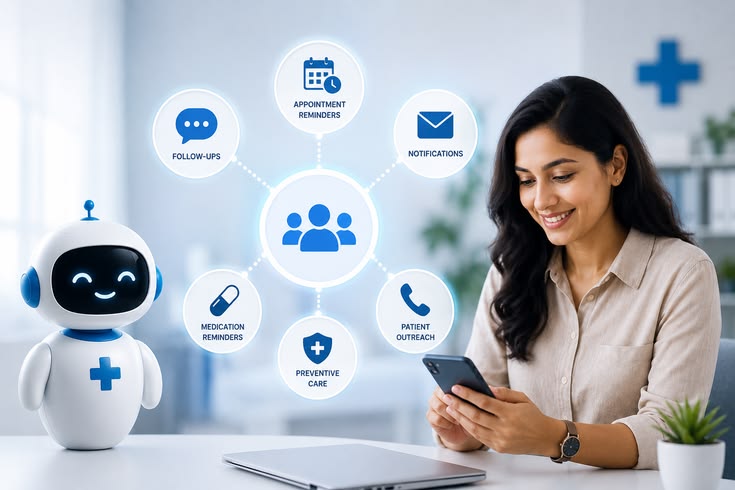
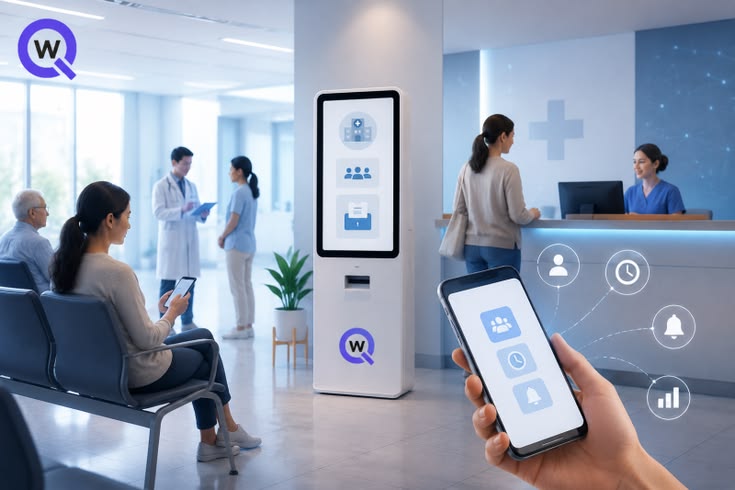
Healthcare CRM systems can support automated appointment reminders and confirmations. Patients can receive timely notifications through available communication channels, helping them stay informed about upcoming appointments.
This can make appointment management more organized while reducing repetitive work for administrative teams.
Automated Patient Follow-Ups
Follow-up communication is essential for maintaining patient engagement. However, small clinic teams may not have enough staff to manually contact every patient at the right time.
A CRM can automate follow-up workflows based on predefined schedules or patient interactions. For example, patients may receive reminders after appointments, treatment-related messages, feedback requests, or notifications about future visits.
Automation helps clinics maintain consistent communication without placing additional pressure on staff.
Improved Patient Communication
Patients increasingly expect convenient and responsive communication from healthcare providers. A Healthcare CRM can help clinics organize communications across different channels.
Depending on the solution, clinics may manage SMS, email, WhatsApp, chat, or other communication methods from a centralized system.
This can help staff respond more efficiently while giving patients a more consistent communication experience.
Better Lead Management
Small clinics often depend on new patient inquiries to grow their services. However, inquiries can be missed when they arrive through different channels.
A CRM can help capture and organize patient inquiries, allowing staff to track their status and follow up when necessary.
For example, a potential patient who submits an online inquiry can be recorded in the CRM and assigned an appropriate follow-up workflow. This can help reduce the chances of losing valuable inquiries.
Personalized Patient Engagement
Every patient has different needs and communication preferences. Healthcare CRM platforms can help clinics organize patient interactions and create more personalized engagement strategies.
Relevant messages can be delivered based on appointment history, services, communication preferences, or stages of the patient journey.
Personalized communication can help patients feel better supported while strengthening their relationship with the clinic.
Reduced Administrative Work
Administrative tasks can consume a significant amount of time in a small clinic. Repetitive activities such as sending reminders, recording interactions, and organizing follow-ups can reduce the time available for other important responsibilities.
Healthcare CRM automation can handle many routine processes. This allows staff to spend more time on patient-facing activities and other essential clinic operations.
Patient Feedback and Satisfaction
Understanding patient experiences can help clinics identify areas for improvement. A CRM can support automated feedback collection after appointments or services.
Clinics can review feedback, identify recurring concerns, and use insights to improve communication and service delivery.
Regular feedback collection can also demonstrate that the clinic values patient opinions and is committed to improving the overall experience.
Data and Reporting
A Healthcare CRM can provide useful reports about patient interactions, appointments, inquiries, follow-ups, and engagement activities.
Small clinics can use these insights to understand operational patterns and identify areas that may need attention. Data-driven reporting can support better decision-making without requiring staff to manually compile information from different sources.
Scalability for Growing Clinics
A small clinic today may expand its services, staff, patient base, or locations in the future. Choosing a scalable CRM can help support this growth.
As the clinic expands, additional workflows, communication channels, integrations, and reporting features can be introduced where required.
This makes a Healthcare CRM a potential long-term technology investment rather than simply a tool for solving immediate administrative challenges.