

Patient loyalty has become an important factor in the success of modern healthcare organizations. Providing quality medical care is essential, but patients also consider communication, convenience, accessibility, and the overall healthcare experience when deciding whether to return to a provider.
Technology gives healthcare organizations new ways to build stronger and more lasting relationships with patients. From healthcare CRM systems and personalized communication to online appointment scheduling and digital follow-ups, technology can make healthcare more convenient and patient-focused.
What Is Patient Loyalty?
Patient loyalty refers to a patient’s willingness to continue using a healthcare provider’s services and recommend them to others. Loyalty is influenced by many factors, including the quality of care, communication, trust, convenience, service experience, and ongoing engagement.
Technology cannot replace quality healthcare, but it can support the processes that contribute to a positive patient experience.
Personalized Patient Communication
Patients are more likely to engage with healthcare providers when communication is relevant and timely. Technology allows healthcare organizations to personalize messages based on patient interactions, preferences, appointments, and healthcare journeys.
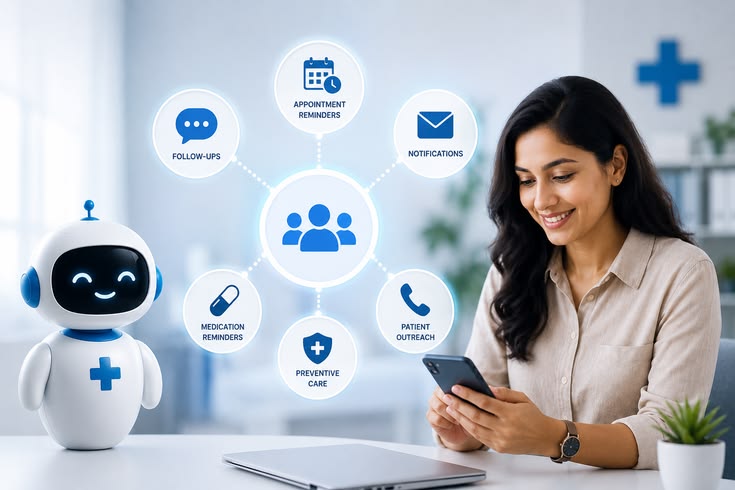
Automated reminders, follow-up messages, educational content, and service notifications can be delivered at appropriate times. Personalized communication can make patients feel better supported while reducing unnecessary messages.
Healthcare CRM and Patient Relationships
Healthcare CRM systems can play an important role in patient loyalty. They help organizations organize patient interactions, communication, inquiries, appointments, follow-ups, and feedback.
A centralized CRM gives staff better visibility into the patient journey. This can help healthcare teams respond more consistently and identify opportunities to engage with patients before and after appointments.
Over time, consistent communication can contribute to stronger relationships between patients and healthcare organizations.
Convenient Appointment Scheduling
Convenience is an important part of the modern healthcare experience. Patients may prefer to schedule appointments without having to make a phone call or wait for a response from administrative staff.
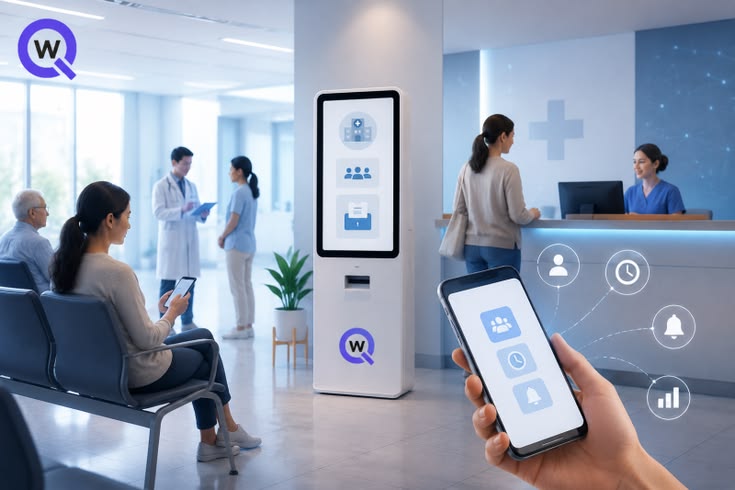
Online appointment booking systems allow patients to view available options and request or schedule appointments digitally. Automated confirmations and reminders can further simplify the process.
Making appointments easier can remove friction from the patient journey and encourage patients to continue using the same healthcare provider.
Digital Patient Follow-Ups
Patient engagement should continue after a consultation or treatment. Digital follow-up systems can help healthcare organizations maintain communication with patients after their appointments.
Patients may receive follow-up reminders, care instructions, feedback requests, or information about future appointments through automated workflows.
Consistent post-appointment communication demonstrates ongoing attention to the patient’s experience and can strengthen engagement.
Using Technology to Collect Feedback
Patient feedback provides valuable information about what an organization is doing well and where improvements may be needed.
Digital surveys and feedback tools can make it easier to collect patient opinions after appointments or services. Healthcare organizations can analyze feedback to identify recurring issues and improve processes.
Responding to patient feedback can also demonstrate that the organization values patient experiences and is willing to make meaningful improvements.
Telehealth and Digital Access
Telehealth technology has expanded access to healthcare services. Patients can communicate with healthcare professionals remotely when appropriate, reducing the need to travel for certain consultations or follow-ups.
Offering digital access options can improve convenience and provide greater flexibility for patients. A healthcare organization that combines in-person services with suitable digital options can create a more adaptable patient experience.
AI-Powered Patient Engagement
Artificial intelligence is increasingly being used to support patient engagement. AI chatbots and virtual assistants can provide answers to common questions, guide patients through basic processes, and support communication outside traditional working hours.
AI can also assist with personalized messaging, automated workflows, and data analysis. With appropriate human oversight and privacy protections, these tools can help organizations provide more responsive digital experiences.
Loyalty Through Consistent Experiences
Patient loyalty is not usually created through one interaction. It develops through consistent experiences over time.
Technology can help standardize important touchpoints across the patient journey. Appointment reminders, communication, follow-ups, feedback collection, and service updates can all be managed through connected digital systems.
Consistency helps reduce communication gaps and creates a smoother experience across different stages of care.
Protecting Patient Information
Trust is fundamental to patient loyalty. Healthcare organizations must take appropriate steps to protect patient information when using digital technologies.
Secure systems, access controls, encryption, authentication, regular monitoring, and appropriate data management practices can help protect sensitive information.
Patients are more likely to trust digital healthcare services when they know their information is being handled responsibly.
Measuring Patient Engagement
Technology can provide useful insights into how patients interact with healthcare services. Organizations can monitor appointment activity, communication engagement, feedback, follow-up completion, and other relevant metrics.
These insights can help healthcare teams understand patient behavior and identify areas where engagement strategies can be improved.
Data-driven decision-making allows organizations to continuously refine the patient experience instead of relying solely on assumptions.
Creating Long-Term Patient Relationships
Building patient loyalty requires a combination of quality care, trust, communication, and convenience. Technology can support each of these areas by helping healthcare organizations stay connected with patients throughout their healthcare journey.
The goal should not simply be to automate communication. Instead, technology should be used to create meaningful and useful interactions that make patients feel informed, supported, and valued.