
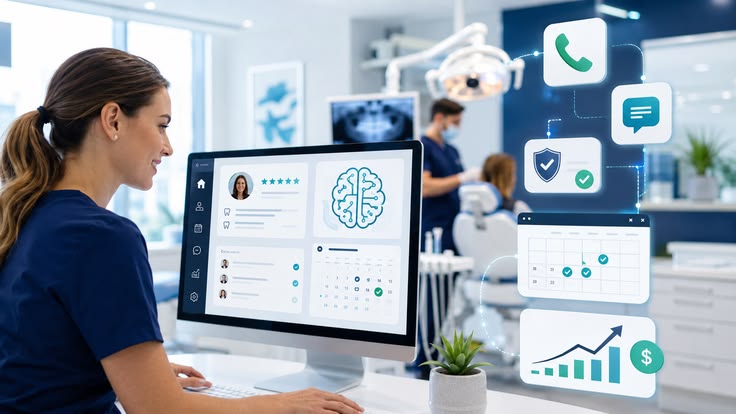
Modern clinics manage more than patient consultations. They also handle appointments, patient records, billing, communication, follow-ups, staff coordination, documentation, and administrative tasks. When these processes depend heavily on paper records or disconnected systems, delays and errors can affect both staff productivity and patient experience. Understanding Why Clinics Need Digital Workflows highlights how technology can help clinics create more organized, efficient, and connected operations.
Digital workflows use software and connected systems to organize tasks and information throughout a clinic. Instead of relying on manual processes for every activity, clinics can automate selected tasks, centralize information, and create clearer processes for staff and patients.
Improve Appointment Management
Appointment scheduling is one of the most frequent activities in a clinic. Manual booking through phone calls, spreadsheets, or paper diaries can create scheduling challenges and require considerable staff time.
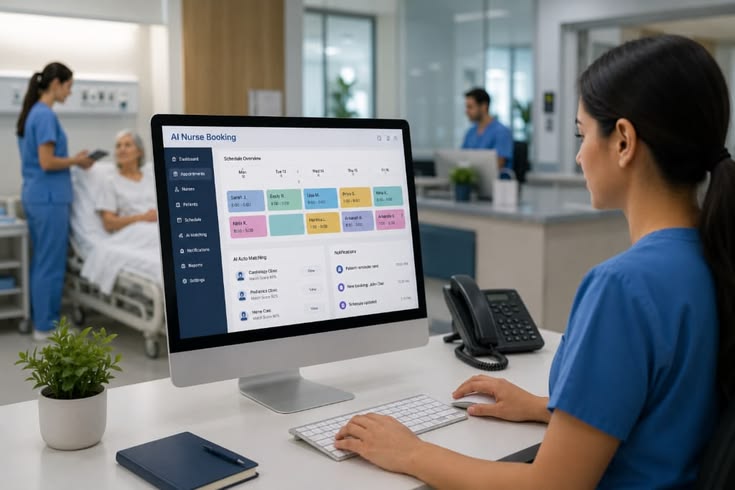
Digital workflows can centralize appointment information and make scheduling easier to manage. Clinics can provide online booking options, automated confirmations, reminders, cancellation management, and rescheduling features.
A more organized scheduling process can reduce unnecessary communication and help staff manage appointments more efficiently.
Reduce Administrative Work
Administrative tasks can consume a significant amount of clinic staff time. Data entry, form management, documentation, billing preparation, and patient communication often involve repetitive activities.
Digital workflows can automate selected routine processes. For example, information entered through a digital form may be automatically transferred to the appropriate system, reducing duplicate data entry.
This allows staff to focus more attention on tasks that require direct interaction and professional judgment.
Centralize Patient Information
Digital workflows can help clinics organize patient information within appropriate healthcare systems. Instead of searching through physical documents or disconnected records, authorized staff can access relevant information through a centralized platform.
Depending on the system, this may include appointment history, contact information, documentation, communication records, and other relevant data.
Centralized information can make internal coordination easier and reduce the risk of information being overlooked.
Improve Patient Communication
Effective communication is essential throughout the patient journey. Patients may need appointment reminders, preparation instructions, follow-up information, payment notifications, or general service updates.
Digital workflows can automate appropriate communications and deliver them through selected channels. This reduces the need for staff to manually contact every patient for routine updates.
Communication should remain clear and relevant, with appropriate processes for situations requiring direct staff assistance.
Support Follow-Up Processes
Patient care does not always end when an appointment is completed. Clinics may need to schedule follow-ups, send reminders, monitor outstanding tasks, or communicate additional information.
Digital workflows can create automated reminders based on predefined processes. Staff can also track pending follow-up activities through dashboards or task lists.
This can help reduce the chance of routine follow-up activities being forgotten.
Improve Staff Coordination
Clinics often involve multiple employees performing different tasks. Reception teams, administrative staff, healthcare professionals, and management may all need access to relevant information.
Digital workflows can connect these activities and provide clearer task ownership. Staff can see what has been completed, what remains pending, and which actions require attention.
Better coordination can reduce unnecessary communication and make daily operations more structured.
Reduce Errors and Duplicate Data
Manual processes can increase the risk of entering the same information multiple times or making data-entry mistakes.
Digital workflows can reduce duplication by allowing information to move between connected systems. Automated validation and standardized forms can also help ensure that required information is captured consistently.
Technology does not eliminate every possible error, but structured digital processes can reduce many avoidable administrative issues.
Support Better Data Management
Clinics generate information through appointments, patient interactions, administrative activities, and operational processes. Digital workflows can make this information easier to organize and analyze.
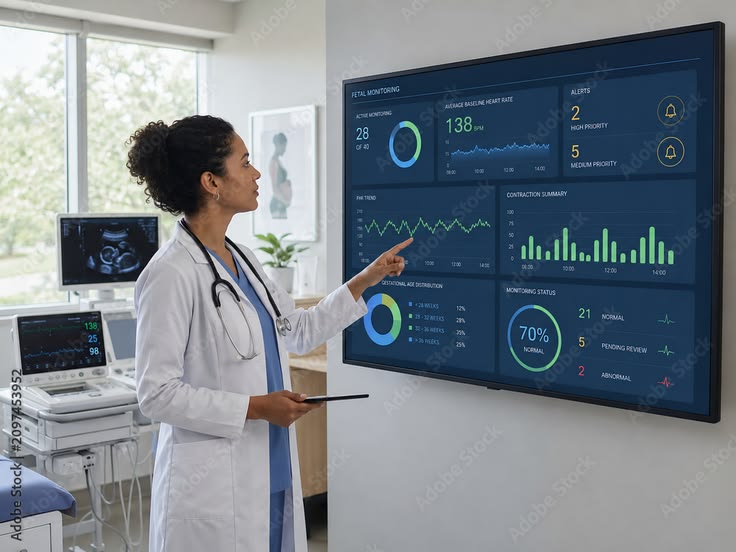
Reports and dashboards can help clinic managers understand appointment volumes, operational trends, pending tasks, and other relevant performance indicators.
Better access to organized information can support more informed operational decisions.
Enhance Patient Experience
Patients generally value convenience and clear communication. Digital workflows can simplify many routine interactions, such as booking appointments, receiving reminders, completing forms, and accessing relevant information.
Reducing unnecessary waiting, repeated form filling, and avoidable phone calls can make the overall experience more convenient.
A well-designed digital workflow should improve convenience without making the patient journey unnecessarily complicated.
Strengthen Data Security
Healthcare information requires careful protection. Digital workflows can provide structured access controls that determine which users can access particular types of information.
Depending on the platform, security features may include authentication, role-based permissions, encryption, activity monitoring, and secure data storage.
Clinics should select systems that support applicable privacy and security requirements and establish appropriate internal policies for handling sensitive information.
Support Remote and Flexible Operations
Digital workflows can help clinics manage certain activities even when staff members are working across different locations. Authorized employees may be able to access schedules, tasks, communication records, and other operational information through secure systems.
This flexibility can be useful for clinics with distributed administrative teams or services that include remote communication and digital patient engagement.
Make Clinic Operations More Scalable
As a clinic grows, manual workflows can become increasingly difficult to manage. More patients, staff, appointments, and administrative tasks can create additional complexity.
Digital workflows provide a structured foundation that can scale with operational needs. Clinics can introduce automation, integrations, dashboards, and additional digital services as requirements evolve.
This can help organizations improve processes without relying entirely on additional manual effort.
Choosing the Right Digital Workflow
Implementing digital workflows does not mean moving every activity into software immediately. Clinics should first identify processes that consume significant time or frequently create delays.
The next step is to map the existing workflow and determine where automation or digital organization can provide genuine value. Staff should be involved in this process because they understand practical operational challenges.
The selected technology should also consider usability, security, integration capabilities, scalability, and regulatory requirements.
Conclusion
Understanding Why Clinics Need Digital Workflows is important as healthcare organizations continue to modernize their operations. Digital workflows can improve appointment management, reduce administrative work, centralize information, strengthen communication, support follow-ups, and improve coordination between staff.
The goal is not simply to replace paper with software. Effective digital transformation involves designing connected processes that make work easier for staff while creating a more convenient experience for patients.
With appropriate planning, secure technology, staff training, and continuous improvement, digital workflows can help clinics operate more efficiently and build a stronger foundation for long-term digital growth.