
Modern clinics need efficient systems to manage patients, staff, appointments, finances, and daily operations. As healthcare organizations become more digitally connected, relying only on manual records and spreadsheets can make it difficult to understand overall performance. Clinic Performance Monitoring Using Software provides a structured approach to tracking operational activities, identifying trends, and supporting better management decisions.
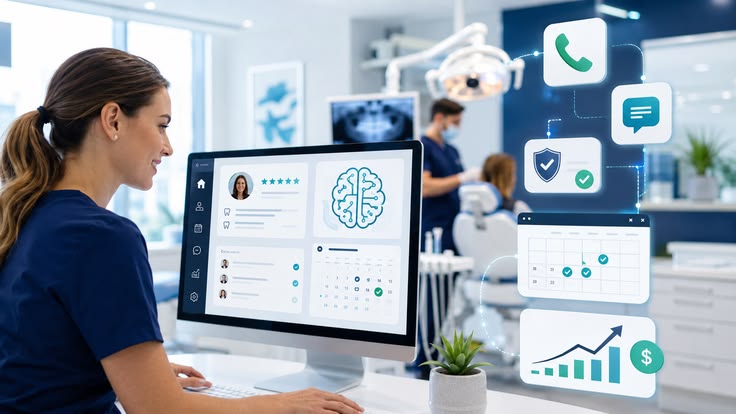
Clinic management software can bring important information together in one platform. With dashboards, reports, analytics, and automated tracking, clinic administrators can gain a clearer view of how different areas of the organization are performing.
Understanding Clinic Performance Monitoring
Clinic performance monitoring involves measuring and reviewing operational activities to understand what is working effectively and where improvements may be needed.
Important performance indicators can include appointment volumes, patient waiting times, cancellations, staff productivity, revenue, resource utilization, patient feedback, and follow-up activities.
Software can collect relevant information automatically and present it through dashboards or reports. This reduces the need for administrators to manually compile information from multiple sources.
Monitor Appointment Performance
Appointments are central to many clinic operations. Missed appointments, cancellations, scheduling gaps, and long waiting periods can affect efficiency and patient satisfaction.
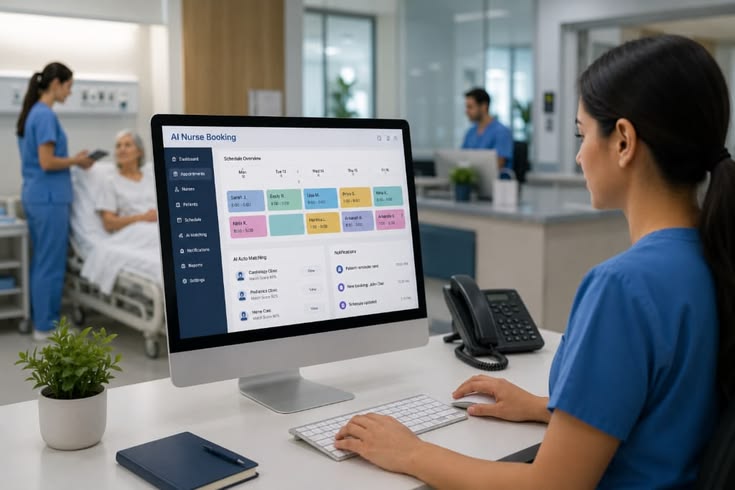
Clinic software can track appointment data and provide insights into scheduling patterns. Administrators can identify busy periods, frequently cancelled appointments, and available capacity.
Automated reminders can also help patients remember upcoming appointments, potentially reducing avoidable missed visits.
Track Patient Flow
Patient flow describes how patients move through different stages of a clinic visit, from registration and waiting to consultation and completion.
Software can help monitor the time spent at different stages. This information can help administrators identify bottlenecks and determine where workflow improvements may be useful.
For example, if patients consistently experience delays at registration, management can investigate the process and consider ways to make it more efficient.
Monitor Staff Performance
Healthcare organizations depend on coordinated staff performance. Software can provide information about schedules, workloads, completed tasks, appointment volumes, and other relevant operational activities.
These insights can help managers understand how resources are being utilized and whether workloads are distributed appropriately.
Performance monitoring should be used constructively. The goal should be to identify workflow improvements and support staff rather than relying solely on numerical measurements to evaluate individuals.
Analyze Financial Performance
Financial visibility is essential for sustainable clinic operations. Software can help administrators monitor revenue, billing activity, outstanding payments, service volumes, and other financial indicators.
Automated reports can make it easier to compare performance across different periods. Administrators can use this information to identify trends and make informed operational decisions.
Financial data should be handled securely and accessed only by authorized personnel.
Measure Patient Satisfaction
Patient experience is another important part of clinic performance. Feedback can provide useful information about waiting times, communication, facilities, scheduling, and overall service quality.
Digital feedback tools can make it easier to collect and organize patient responses. Software dashboards can help identify recurring concerns and areas where patients report positive experiences.
Understanding patient feedback can support continuous service improvement.
Monitor Resource Utilization
Clinics use various resources, including consultation rooms, medical equipment, staff time, and supplies. Poor utilization can increase operational costs and create unnecessary delays.
Software can track resource usage and help managers understand where capacity is being underused or overextended.
This information can support better scheduling and resource allocation.
Use Real-Time Dashboards
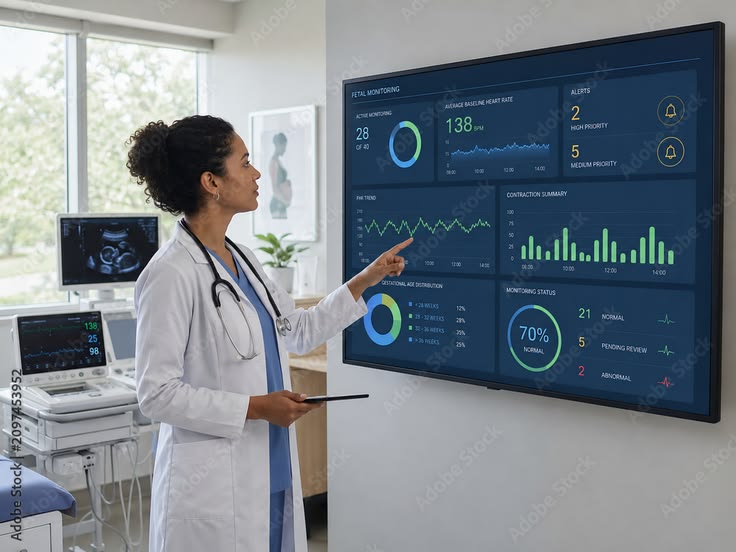
One of the advantages of software-based monitoring is the ability to view information through dashboards. Instead of waiting for manually prepared reports, administrators can access updated operational information through a centralized interface.
Dashboards can display key performance indicators in an easy-to-understand format. Managers can quickly identify trends and areas requiring attention.
The value of a dashboard depends on the quality and timeliness of the underlying data.
Identify Operational Trends
Performance data becomes more useful when reviewed over time. Software can help clinics compare current performance with previous periods and identify recurring patterns.
For example, administrators may discover that certain days consistently experience higher appointment demand or that specific services have increasing utilization.
Recognizing these trends can help clinics plan staffing, resources, and scheduling more effectively.
Improve Decision-Making
Data-driven decision-making can reduce reliance on assumptions. When administrators have access to organized performance information, they can evaluate operational challenges using measurable evidence.
Software reports can help answer questions such as where delays occur, which services are most frequently used, and whether appointment capacity is being effectively utilized.
However, data should be interpreted alongside staff experience and the wider context of clinic operations.
Automate Performance Reports
Preparing performance reports manually can take considerable time. Clinic software can automate the generation of selected reports based on predefined metrics.
Automated reporting can improve consistency and make important information available more quickly. Management teams can establish reporting schedules according to their operational needs.
Automated reports should still be reviewed to ensure that the data is accurate and interpreted appropriately.
Support Better Patient Follow-Up
Performance monitoring can also extend to follow-up activities. Clinics can track whether scheduled follow-ups have been completed and identify pending tasks.
This can help staff manage ongoing administrative processes and reduce the possibility of routine follow-up activities being overlooked.
Appropriate automation can provide reminders while keeping healthcare professionals involved in decisions that require clinical judgment.
Protect Healthcare Data
Because clinic performance monitoring may involve sensitive information, security should be a major consideration when selecting software.
Access controls, authentication, encryption, audit logs, secure storage, and appropriate permissions can help protect information.
Clinics should also establish policies that define who can access different types of data and how information should be handled.
Choose Software Based on Clinic Needs
Not every clinic requires the same monitoring features. A small practice may need appointment and financial dashboards, while a larger organization may require more advanced analytics and integration capabilities.
Before selecting software, clinics should identify their key performance indicators and operational challenges. The system should be easy for staff to use and capable of integrating with relevant existing platforms.
Scalability is also important because clinic requirements may change as the organization grows.
Conclusion
Clinic Performance Monitoring Using Software can help healthcare organizations gain better visibility into their daily operations. By tracking appointments, patient flow, staff workloads, financial activity, resource utilization, patient feedback, and other key indicators, clinics can identify trends and make more informed decisions.
The most effective approach combines technology with human expertise. Software can organize information and highlight patterns, but managers and healthcare professionals still need to interpret the data and determine appropriate actions.
With secure technology, accurate data, useful dashboards, and continuous evaluation, performance monitoring software can support more efficient clinic operations and a better overall patient experience.