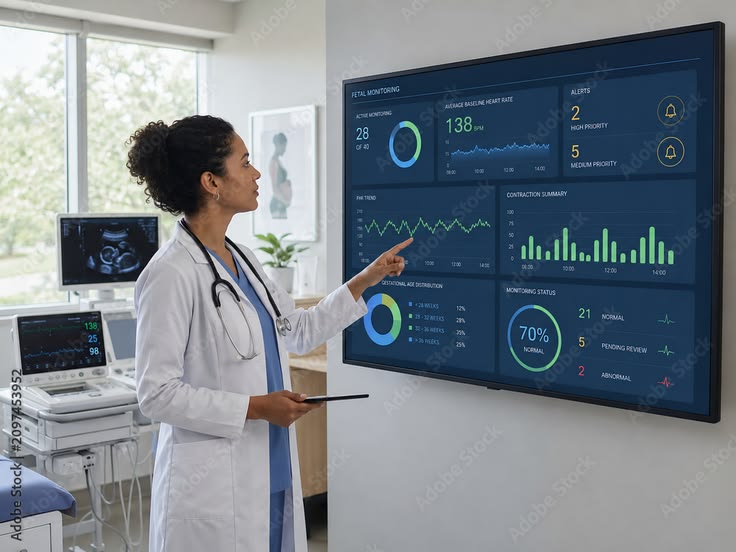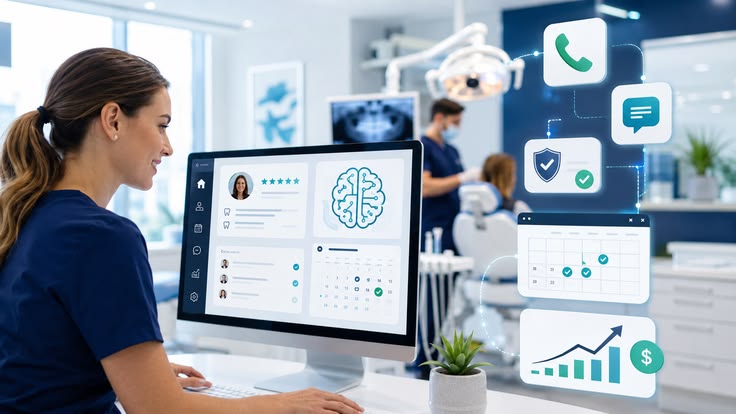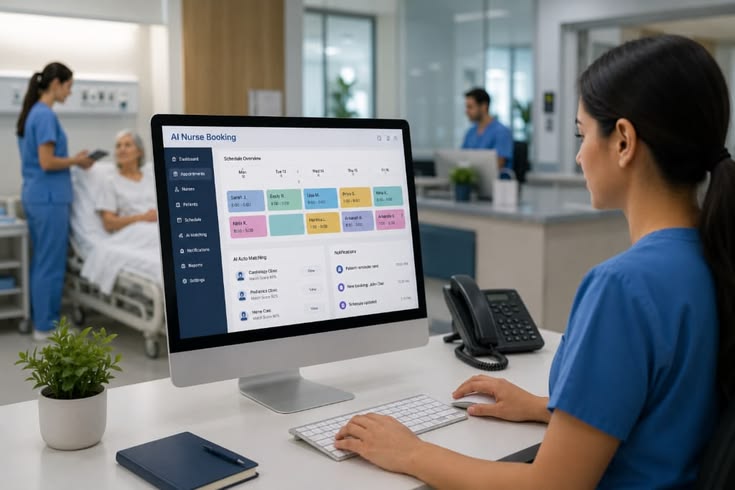

The Benefits of Telehealth Software for Patients have become increasingly important as healthcare continues to adopt digital solutions. Telehealth software allows patients to connect with healthcare professionals through smartphones, tablets, or computers without always needing to visit a healthcare facility in person. From virtual consultations and appointment scheduling to digital communication and follow-up care, telehealth platforms can make healthcare more accessible, convenient, and organized.
Convenient Access to Healthcare
One of the major Benefits of Telehealth Software for Patients is convenience. Patients can communicate with healthcare professionals from home, work, or another suitable location. This can reduce the need to travel long distances or spend time waiting at a healthcare facility.
Virtual consultations can be particularly useful for patients who have busy schedules, transportation difficulties, or limited access to healthcare services. With a suitable internet connection and compatible device, patients can access certain healthcare services remotely.
Reduced Travel and Waiting Time
Traditional healthcare appointments may involve travelling, finding parking, completing registration, and waiting before the consultation begins. Telehealth software can simplify several of these steps.
Patients can join scheduled virtual consultations remotely, which may reduce unnecessary travel and waiting time. This can make healthcare appointments easier to fit into daily routines and may improve overall patient convenience.
Easier Appointment Scheduling
Telehealth platforms often include digital appointment scheduling features. Patients can view available appointment times, select a suitable option, and receive digital confirmations or reminders.
Automated reminders can also help patients remember upcoming consultations. This organized approach can reduce missed appointments and make it easier for patients to manage their healthcare schedules.
Better Communication With Healthcare Providers
Effective communication is another important advantage of telehealth software. Depending on the platform, patients may be able to communicate through video consultations, secure messaging, notifications, or other digital channels.
These features can make it easier to ask questions, discuss concerns, receive instructions, and clarify information after a consultation. Consistent communication can also support a better understanding of recommended care.
Improved Access for Remote Patients
Patients living in rural or underserved areas may experience difficulties accessing certain healthcare services. Telehealth software can help bridge some of these geographic barriers by providing remote access to participating healthcare professionals.
Instead of travelling significant distances for every consultation, eligible patients may be able to receive certain services online. This can be especially useful for follow-up appointments and routine consultations where an in-person examination is not required.
Support for Follow-Up Care
Follow-up appointments are an important part of many healthcare journeys. Telehealth software can make follow-up consultations more convenient by allowing patients to communicate remotely.
Healthcare professionals can review progress, discuss concerns, provide general guidance, and determine whether an additional in-person appointment may be necessary. This can help maintain continuity between appointments.
Greater Accessibility for People With Mobility Challenges
Patients with mobility limitations may find travelling to healthcare facilities difficult. Telehealth can provide an alternative for consultations that are appropriate for remote delivery.
By accessing healthcare from a familiar environment, patients may experience fewer physical barriers associated with transportation and facility visits.
Access to Digital Health Information
Many telehealth platforms can integrate appointment information, consultation records, prescriptions, care instructions, or other relevant information into a digital environment. Having important information available through a secure platform can help patients keep track of their healthcare activities.
Easy access to information may also encourage patients to become more involved in managing appointments and following recommended care plans.
Improved Medication and Appointment Reminders
Digital notifications can help patients stay organized. Depending on the software, reminders may be provided for appointments, follow-up consultations, medication-related tasks, or other scheduled activities.
These reminders do not replace professional medical advice, but they can help patients manage healthcare-related responsibilities more efficiently.
Enhanced Patient Engagement
Telehealth software can encourage patients to take a more active role in their healthcare. Digital communication, appointment management, access to information, and follow-up features can make patients more connected to their care.
When healthcare information and communication are easier to access, patients may be more likely to participate in consultations, ask questions, and keep track of recommended next steps.
Convenient Chronic Care Support
Patients managing long-term health conditions may require regular consultations and monitoring. Telehealth software can support certain aspects of ongoing care by allowing appropriate consultations and communication to take place remotely.
Remote monitoring features, where available and clinically appropriate, may also allow healthcare teams to receive selected patient information between appointments. This can support ongoing observation while reducing the need for unnecessary visits.
Privacy and Secure Communication
Healthcare information is sensitive, so security is an important part of telehealth software. Well-designed platforms should use appropriate security measures to protect patient information and communication.
Patients should choose services that clearly explain how their information is collected, stored, processed, and protected. Healthcare organizations should also follow applicable privacy and data protection requirements.
More Flexible Healthcare Experiences
Telehealth software can provide greater flexibility for patients by supporting healthcare access outside the traditional in-person model. Virtual consultations may be particularly useful for routine follow-ups, certain consultations, health education, and other services that can be safely delivered remotely.
However, telehealth is not suitable for every medical situation. Emergencies, physical examinations, procedures, diagnostic testing, and other services may require an in-person visit.
Supporting a Patient-Centered Healthcare Model
The growing Benefits of Telehealth Software for Patients demonstrate how digital healthcare can make certain services more convenient and accessible. Telehealth can reduce travel, simplify scheduling, improve communication, support follow-up care, and help patients stay connected with healthcare providers.
As healthcare technology continues to develop, telehealth software is likely to become an increasingly valuable part of patient-centered care. When implemented with strong security, reliable technology, appropriate clinical oversight, and clear communication, telehealth can complement traditional healthcare services while giving patients more flexible ways to access care.