
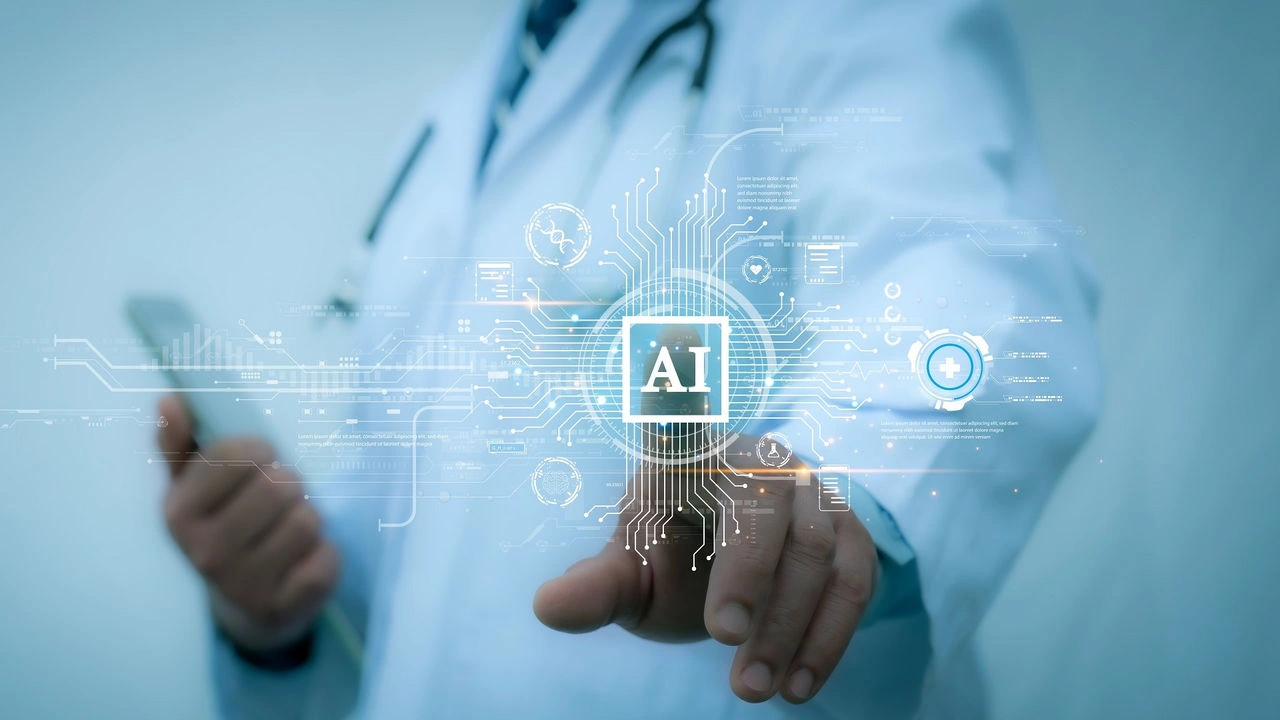
In the digital age, healthcare organizations are increasingly relying on technology to manage patient care and clinic operations. Healthcare CRMs (Customer Relationship Management systems) have become essential for managing patient data, appointments, communication, and analytics. However, the sensitive nature of healthcare information makes these systems prime targets for cyberattacks.
Enter AI-powered threat detection. By integrating artificial intelligence into healthcare CRMs, clinics and hospitals can proactively safeguard patient data, detect security threats in real time, and ensure regulatory compliance. This technology is redefining how healthcare organizations approach cybersecurity, reducing risks while improving operational efficiency.
1. Why Security Is Critical in Healthcare CRMs
Healthcare data is among the most sensitive types of personal information. Patient records include personal identifiers, medical history, financial information, and insurance details. Any breach can lead to severe consequences, including legal penalties, financial loss, and reputational damage.
Traditional security measures, such as firewalls and antivirus software, are no longer sufficient. Cybercriminals are using increasingly sophisticated methods to exploit vulnerabilities. Healthcare organizations need advanced solutions that can anticipate, detect, and neutralize threats before they compromise sensitive data.
This is where AI-powered threat detection in Healthcare CRMs becomes crucial. By combining AI with traditional security protocols, healthcare providers can achieve comprehensive protection against evolving cyber threats.
2. How AI-Powered Threat Detection Works
AI-powered threat detection relies on machine learning algorithms to identify unusual patterns, anomalies, and potential risks in real time. These systems continuously monitor data flows, user behavior, and system activity to detect threats that traditional methods might miss.
Key features include:
- Behavioral Analysis: AI systems analyze how users interact with the CRM, identifying abnormal activities such as unusual login locations, multiple failed login attempts, or unauthorized access attempts.
- Real-Time Alerts: AI generates immediate alerts when suspicious activity is detected, allowing IT teams to respond quickly and mitigate risks.
- Predictive Threat Intelligence: By learning from past attacks and evolving patterns, AI predicts potential threats before they occur, enabling proactive security measures.
- Automated Response: AI can automatically trigger security protocols, such as locking accounts, blocking IP addresses, or initiating system scans, reducing response time and human intervention.
3. Protecting Patient Data and Ensuring Compliance
Healthcare providers must comply with strict data privacy regulations, such as HIPAA in the United States or DHA standards in the UAE. AI-powered threat detection enhances compliance by ensuring that patient data is securely stored and accessed only by authorized personnel.
Healthcare CRMs integrated with AI security tools maintain detailed audit logs of all activities, providing transparency and traceability. These logs are invaluable for compliance reporting and for identifying the source of any suspicious activity.
By leveraging AI, clinics can confidently manage patient information while meeting regulatory requirements and safeguarding patient trust.
4. Detecting Advanced Cyber Threats
Modern cyber threats are sophisticated and constantly evolving. Ransomware attacks, phishing attempts, and malware targeting healthcare systems have become increasingly common. Traditional security measures often fail to detect these advanced threats in time.
AI-powered threat detection in Healthcare CRMs goes beyond signature-based detection. Machine learning algorithms can detect subtle anomalies that indicate a potential attack, even if the threat is previously unknown. For example:
- Detecting unusual file access patterns that may indicate ransomware activity
- Identifying phishing attempts targeting CRM users
- Recognizing unauthorized attempts to extract or modify patient data
By identifying these threats early, healthcare organizations can prevent data breaches, avoid financial losses, and maintain operational continuity.
5. Enhancing Trust and Patient Confidence
Patient trust is crucial for healthcare providers. A breach in a Healthcare CRM can severely damage patient confidence, leading to loss of patients and reputational harm.
AI-powered threat detection ensures that sensitive patient information is protected around the clock. Patients can confidently share personal and medical details, knowing that the clinic or hospital uses advanced AI technology to safeguard their data.
Maintaining strong cybersecurity not only protects data but also demonstrates a clinic’s commitment to patient privacy and high-quality care.
6. Reducing Operational Burden on IT Teams
Manual monitoring of CRM systems for security threats is time-consuming and prone to errors. AI-powered threat detection automates much of this work, continuously analyzing data and identifying potential risks without constant human oversight.
IT teams can focus on strategic initiatives while AI handles real-time threat detection, alert generation, and automated responses. This reduces the workload on IT personnel, minimizes response times, and ensures that the organization remains protected 24/7.
7. Future Trends in AI Security for Healthcare CRMs
The future of AI-powered threat detection in Healthcare CRMs is promising. Emerging trends include:
- Integration with Predictive Analytics: Using AI to predict not just threats but also vulnerabilities, allowing clinics to patch weaknesses proactively.
- Behavioral Biometrics: Enhancing security by analyzing unique user behaviors, such as typing patterns or navigation habits.
- Adaptive Security Systems: AI systems that learn continuously from new threats, evolving to stay ahead of cybercriminals.
- Cross-Platform Threat Detection: Monitoring not just the CRM, but all integrated systems, including telehealth platforms, billing software, and mobile applications.
These innovations will make healthcare CRMs more secure, resilient, and reliable than ever before.

Conclusion
AI-powered threat detection is transforming cybersecurity in Healthcare CRMs. By leveraging machine learning and real-time analytics, clinics and hospitals can protect sensitive patient data, detect sophisticated cyber threats, and ensure regulatory compliance.
For healthcare providers in the UAE and worldwide, integrating AI into Healthcare CRM systems is no longer optional—it is a strategic necessity. AI enhances trust, improves patient engagement, reduces operational burdens, and safeguards clinics against the growing threat of cyberattacks.
As healthcare becomes increasingly digital, those who adopt AI-powered threat detection in their CRMs will lead the way in secure, efficient, and patient-centered care.