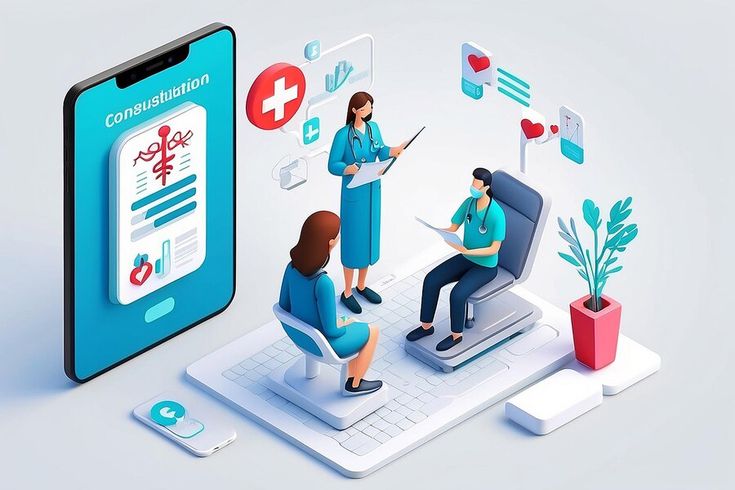

In modern healthcare, patient expectations are changing rapidly. Patients now seek personalized attention, better communication, and healthcare experiences that focus on their individual needs. This shift has made patient-centered care one of the most important approaches in medical practice. Understanding The Impact of Patient-Centered Care on CRM Utilization helps healthcare providers improve service quality, strengthen patient relationships, and streamline operational efficiency.
Customer Relationship Management (CRM) systems are no longer limited to sales and marketing industries. In healthcare, CRM plays a vital role in managing patient interactions, improving communication, and ensuring better healthcare outcomes. When combined with patient-centered care, CRM becomes a powerful tool for delivering high-quality medical services.
What Is Patient-Centered Care?
Patient-centered care is a healthcare approach that places the patient at the center of all medical decisions and services. It focuses on respecting patient preferences, values, and needs while involving them actively in their own treatment plans.
This approach encourages open communication, emotional support, transparency, and personalized care rather than a one-size-fits-all model.
Patient-centered care improves trust between patients and healthcare providers, leading to stronger satisfaction and better long-term outcomes.
What Is CRM in Healthcare?
Customer Relationship Management (CRM) in healthcare refers to the use of digital systems to manage patient relationships, appointments, follow-ups, medical communication, and service delivery.
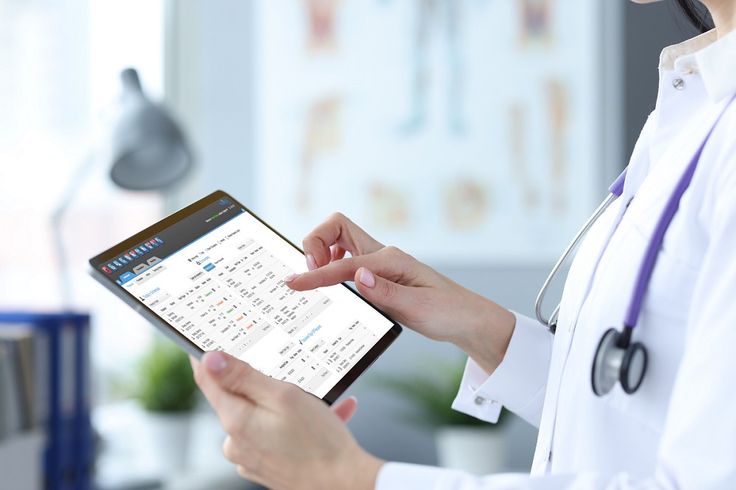
Healthcare CRM helps hospitals, clinics, and medical professionals track patient history, automate reminders, improve communication, and enhance the overall patient experience.
CRM systems support both administrative efficiency and personalized healthcare delivery.
The Impact of Patient-Centered Care on CRM Utilization
1. Improves Personalized Communication
One of the biggest benefits of patient-centered care is personalized communication. Patients want healthcare providers to understand their concerns, medical history, and treatment preferences.
CRM systems store valuable patient data, allowing providers to send customized messages, appointment reminders, follow-up care instructions, and health updates.
This personalized communication improves patient satisfaction and strengthens long-term trust.
2. Enhances Appointment Management
Missed appointments and poor scheduling often create frustration for both patients and healthcare providers.
CRM systems help manage appointments more efficiently through automated booking confirmations, reminders, and rescheduling options.
When patient-centered care focuses on convenience and accessibility, CRM utilization becomes essential for delivering a smoother patient experience.
3. Strengthens Patient Engagement
Engaged patients are more likely to follow treatment plans, attend regular checkups, and participate actively in their healthcare journey.
CRM platforms help providers stay connected through regular communication, educational content, wellness updates, and follow-up interactions.
This active engagement supports better health outcomes and builds stronger provider-patient relationships.
4. Improves Patient Retention
Patient-centered care increases loyalty because patients feel valued and respected.
CRM systems help maintain long-term relationships by tracking patient preferences, treatment history, and service satisfaction. This makes it easier for healthcare providers to deliver consistent and personalized experiences.
Higher patient retention improves both healthcare quality and organizational growth.
5. Supports Faster Issue Resolution
Patients often have concerns related to billing, appointments, treatment clarification, or post-care support.
CRM systems centralize patient information, allowing staff to respond quickly and accurately to patient needs. Faster issue resolution improves trust and reduces dissatisfaction.
This is a major example of The Impact of Patient-Centered Care on CRM Utilization in real healthcare operations.
6. Helps in Feedback Collection and Service Improvement
Patient feedback is essential for improving healthcare services.
CRM tools can collect surveys, satisfaction ratings, and service reviews automatically after appointments or treatments. This helps providers understand patient expectations and identify areas for improvement.
Continuous feedback supports stronger patient-centered strategies and better service quality.
7. Increases Operational Efficiency
Patient-centered care does not only benefit patients—it also improves internal workflows.
CRM systems reduce manual administrative work, organize patient records, automate repetitive tasks, and improve team coordination.
This allows healthcare professionals to spend more time focusing on patient care rather than paperwork.
Key Features of Healthcare CRM
To fully understand The Impact of Patient-Centered Care on CRM Utilization, it is important to know the major CRM features:
- Patient profile management
- Appointment scheduling
- Automated reminders
- Follow-up communication
- Feedback and survey collection
- Billing support
- Patient history tracking
- Personalized marketing and education campaigns
These features help create a more efficient and patient-friendly healthcare environment.
Challenges in CRM Implementation
Although CRM offers many benefits, implementation can also bring challenges such as:
- Staff training requirements
- Data privacy concerns
- Integration with existing hospital systems
- Initial investment costs
- Resistance to technology adoption
Proper planning and staff support are necessary for successful CRM adoption.
Understanding The Impact of Patient-Centered Care on CRM Utilization is essential for modern healthcare providers who want to improve patient satisfaction and operational performance. CRM systems help deliver personalized care, improve communication, increase patient retention, and support better healthcare outcomes.
As healthcare continues to evolve, patient-centered care and CRM will work together more closely than ever before. Providers who invest in both strategies can create stronger patient relationships, higher trust, and long-term organizational success.
In today’s competitive healthcare environment, technology and compassion must work hand in hand—and CRM is the bridge that connects them.