
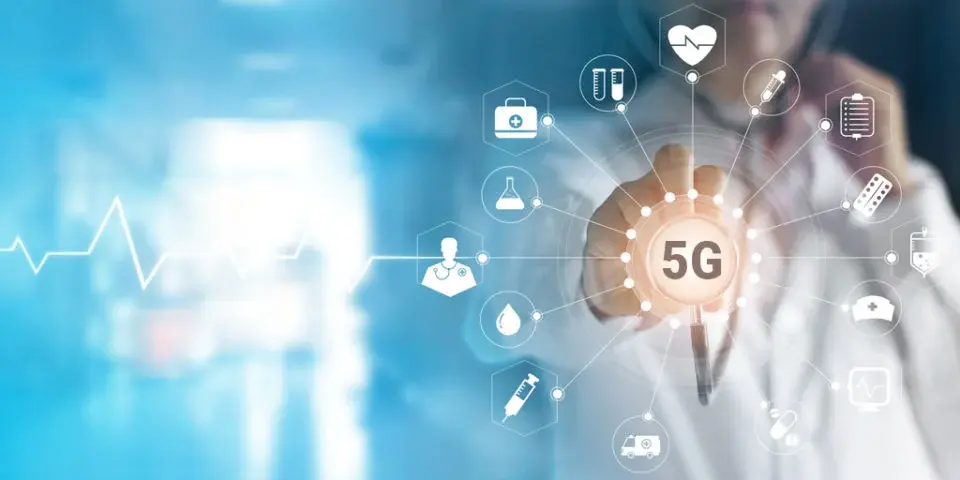
The healthcare industry is undergoing a massive digital transformation, and 5G technology is one of the biggest driving forces behind this change. Known for its ultra-fast connectivity, low latency, and massive data-handling capabilities, 5G is not just improving mobile communications — it’s reshaping how healthcare providers interact with patients, manage data, and deliver care. One of the most promising areas benefiting from this innovation is Healthcare Customer Relationship Management (CRM) systems.
When integrated with 5G, Healthcare CRM platforms become more powerful, efficient, and responsive, allowing for real-time communication, advanced analytics, and seamless coordination across healthcare networks. Let’s explore how 5G technology is revolutionizing healthcare CRM systems, along with its key benefits and challenges.
Understanding 5G and Its Relevance to Healthcare CRM
5G represents the fifth generation of mobile network technology, offering speeds up to 100 times faster than 4G and latency as low as one millisecond. In healthcare, where timely data transmission can mean the difference between life and death, this leap in connectivity holds enormous potential.
A Healthcare CRM is designed to manage patient data, track communication, streamline operations, and improve engagement between healthcare providers and patients. When supported by 5G, these systems can access and transmit vast amounts of data in real time — enabling more dynamic and patient-centered care experiences.
From telemedicine consultations to remote patient monitoring, 5G enhances every interaction, ensuring that healthcare organizations can operate efficiently, respond faster, and offer a more personalized service.
Key Benefits of 5G Technology in Healthcare CRM Systems
1. Real-Time Data Exchange and Remote Monitoring
One of the most significant advantages of 5G is its ability to transmit large volumes of data almost instantly. This capability is essential for remote healthcare services and IoT-enabled medical devices.
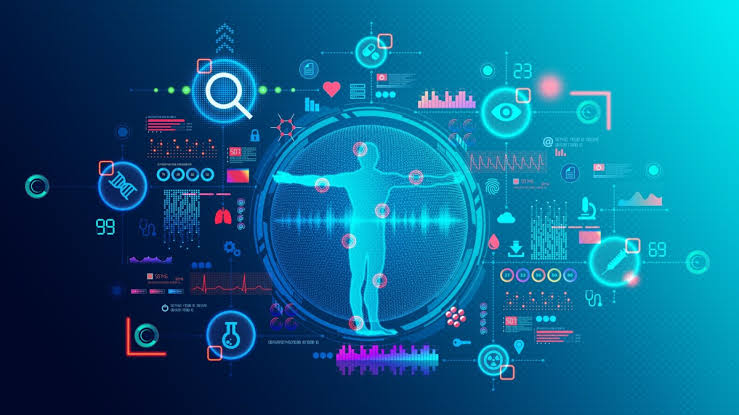
For instance, wearable devices that track patient vitals — such as heart rate, blood sugar levels, or oxygen saturation — can send real-time updates directly to the Healthcare CRM system. Doctors can monitor these metrics instantly, allowing for quicker interventions and better preventive care. This real-time data flow also enhances CRM analytics, helping healthcare providers deliver more proactive and personalized services.
2. Enhanced Patient Engagement
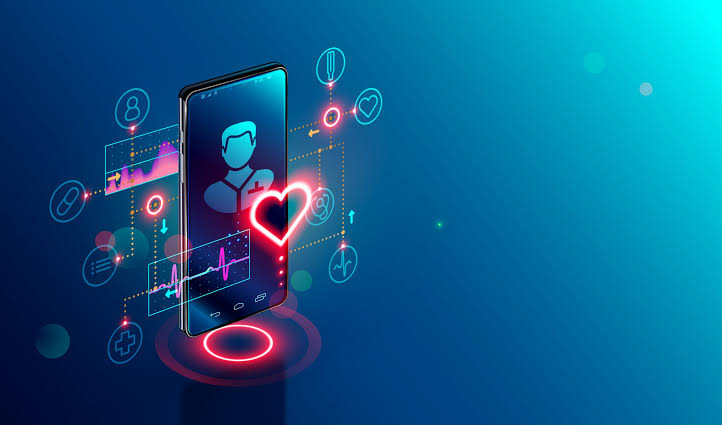
5G enables faster, more reliable communication between patients and healthcare providers through chat, video, or voice calls. Combined with AI-powered CRM systems, this technology allows for instant consultations, personalized reminders, and interactive patient support. Patients can schedule appointments, access medical records, or receive health updates instantly — improving their overall engagement and satisfaction.
In turn, healthcare organizations can use CRM data insights to tailor their communication strategies, ensuring every patient feels heard and cared for.
3. Improved Telemedicine Capabilities
The rise of telemedicine has been one of the most significant healthcare advancements in recent years, and 5G takes it to a new level. With high-speed, low-latency connections, virtual consultations become smoother, clearer, and more interactive. Doctors can analyze real-time diagnostics and share large imaging files seamlessly through the CRM system.
This integration ensures that telemedicine sessions are not only efficient but also well-documented, as all interactions and data are automatically recorded within the CRM for future reference.
4. Data-Driven Decision-Making
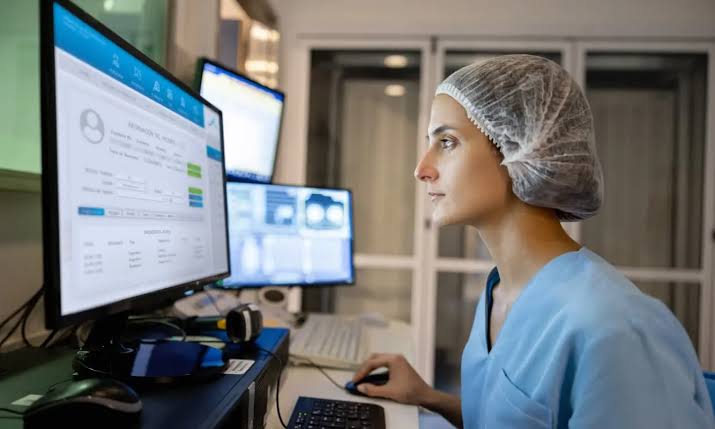
Healthcare CRMs powered by 5G can process and analyze vast amounts of data in real time. This capability enhances predictive analytics, enabling providers to anticipate patient needs and trends more accurately.
For example, a CRM system could alert healthcare staff about an emerging health risk pattern in a particular region, allowing early interventions. It also helps administrators make informed decisions on resource allocation, improving both patient outcomes and operational efficiency.
5. Seamless Integration with Emerging Technologies
5G serves as the backbone for other transformative technologies, such as Artificial Intelligence (AI), Machine Learning (ML), and the Internet of Medical Things (IoMT). These technologies thrive on high-speed, real-time data transfer — something 5G delivers effortlessly.
By integrating AI chatbots, predictive models, and IoT-based monitoring tools into the CRM, healthcare providers can automate tasks, enhance accuracy, and deliver more responsive care. The result is a connected healthcare ecosystem where every device, doctor, and patient is seamlessly linked through a robust CRM infrastructure.
6. Enhanced Collaboration Across Healthcare Networks
In modern healthcare, collaboration between hospitals, clinics, pharmacies, and laboratories is essential. 5G-enabled CRMs allow instant sharing of patient data across multiple locations while maintaining security and accuracy.
This interoperability ensures that all stakeholders have access to the latest patient information, improving coordination and reducing duplication of efforts. Whether it’s managing referrals or synchronizing patient histories, 5G makes collaboration faster and more reliable.
Challenges of 5G Implementation in Healthcare CRM Systems
While the potential benefits are enormous, the integration of 5G into healthcare CRM systems is not without challenges. Addressing these issues is essential for ensuring successful adoption and long-term impact.
1. Data Privacy and Security Risks
Faster connectivity means more data is being transmitted — and that increases the potential attack surface for cyber threats. Healthcare data is extremely sensitive, and protecting it is crucial. Organizations must ensure that their CRM systems comply with data protection standards like HIPAA and use end-to-end encryption, secure APIs, and continuous monitoring to prevent breaches.
2. High Implementation Costs
Upgrading to 5G-compatible infrastructure, devices, and CRM systems involves significant investment. Smaller clinics and healthcare institutions may find it difficult to adopt this technology immediately due to high costs associated with network upgrades, hardware replacement, and staff training.
3. Network Coverage Limitations
Although 5G networks are expanding rapidly, coverage is still inconsistent in many regions, particularly rural or remote areas. This limitation could prevent equal access to advanced healthcare CRM capabilities, potentially widening the gap between urban and rural healthcare services.
4. Complexity of Integration
Integrating 5G with existing CRM platforms and healthcare technologies requires careful planning and technical expertise. Compatibility issues, data migration challenges, and workflow disruptions can arise during implementation, making it essential to partner with skilled technology providers.
5. Dependence on Reliable Infrastructure
For 5G-based healthcare CRM systems to function optimally, healthcare organizations need a robust IT foundation — including modern servers, cloud storage, and cybersecurity frameworks. Without these components, the potential of 5G cannot be fully realized.
The Future of 5G in Healthcare CRM

The integration of 5G technology with healthcare CRM systems is paving the way for a more connected, efficient, and patient-centric healthcare landscape. As 5G networks become more widespread, we can expect a new era of smart healthcare ecosystems powered by real-time insights and seamless communication.
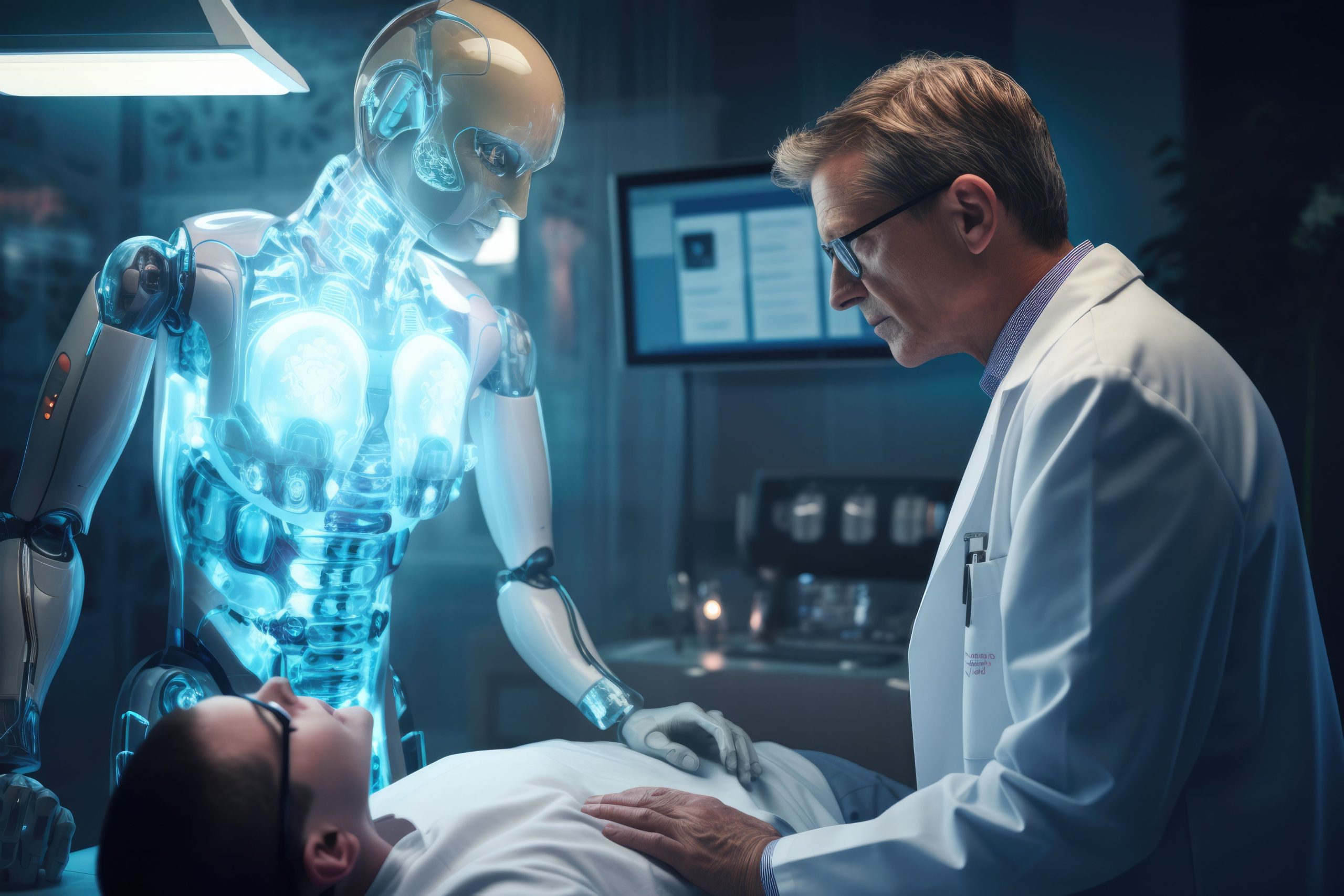
Future CRMs will likely integrate with AI-driven predictive tools and IoT-based devices, enabling providers to anticipate health issues before they become critical. Remote surgeries, real-time diagnostics, and virtual care teams will all be supported by ultra-fast 5G networks, making healthcare more accessible and responsive than ever before.
Conclusion
The impact of 5G technology on healthcare CRM systems is profound and far-reaching. By enhancing speed, connectivity, and data accuracy, 5G is transforming how healthcare providers manage relationships, communicate with patients, and deliver care. While challenges such as cost, security, and integration must be addressed, the benefits of adopting this technology far outweigh the obstacles.
As healthcare continues its digital evolution, the combination of 5G and CRM systems will redefine patient engagement, operational efficiency, and medical innovation — ushering in a new age of intelligent, data-driven, and patient-focused healthcare.