Role Management Across Departments in Healthcare CRMs

Role Management Across Departments in Healthcare CRMs

In the modern healthcare landscape, efficient coordination among departments is critical for delivering high-quality patient care. Hospitals and clinics handle vast amounts of patient data daily — from appointments and treatment plans to billing and follow-ups. Without a centralized system, this information can easily become fragmented, leading to inefficiencies, errors, and poor patient experiences.

That’s where Healthcare Customer Relationship Management (CRM) systems come in. They serve as the digital backbone of healthcare organizations, unifying communication, data, and processes. One of the most powerful features of these systems is role management, which ensures that every department and team member has access to the right information and tools — no more, no less.

Effective role management across departments in Healthcare CRMs not only enhances data security but also improves collaboration, operational efficiency, and patient outcomes.

1. Understanding Role Management in Healthcare CRMs

Role management refers to the process of defining and controlling user access within a CRM system based on roles, responsibilities, and departmental needs.

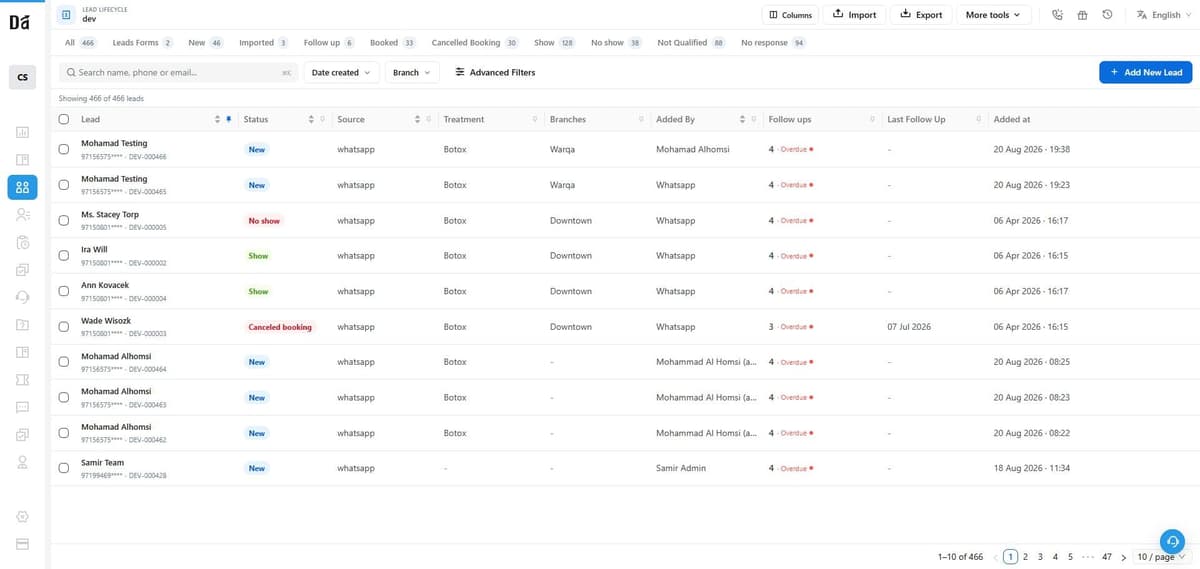
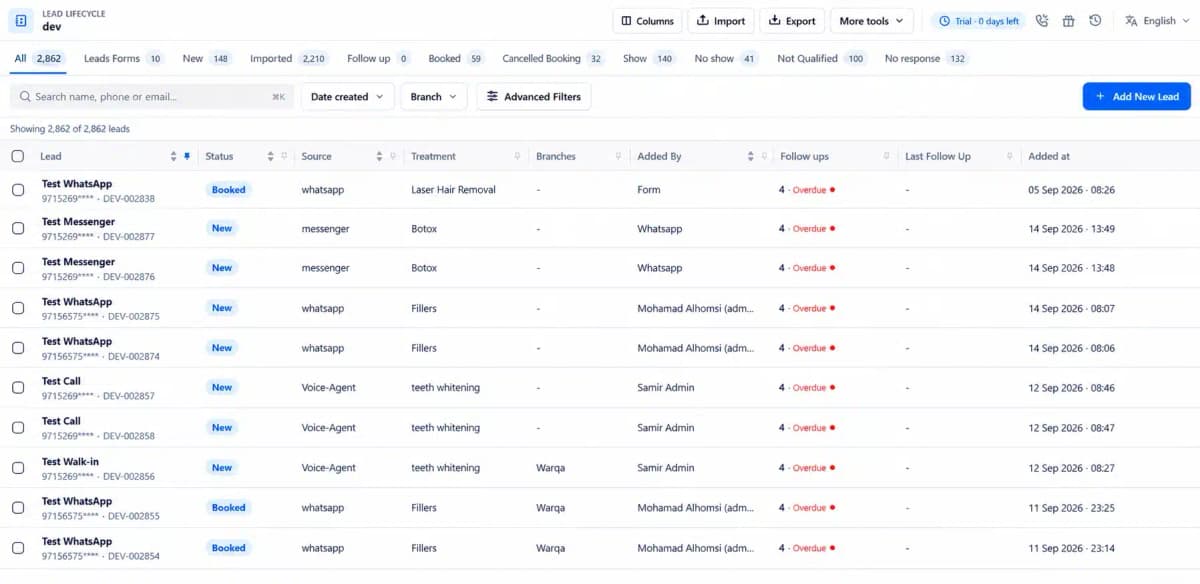
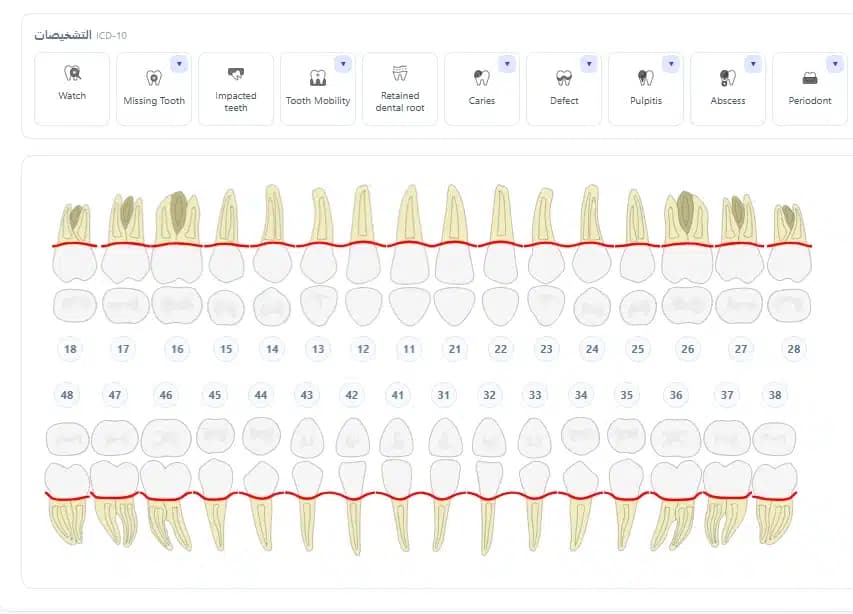
For example, a doctor might need access to patient medical histories and lab results, while a billing executive only needs access to payment details and invoices. A marketing manager, on the other hand, would focus on patient engagement data and communication history.

By setting clear roles and permissions, healthcare CRMs ensure that each department can operate efficiently without overlapping responsibilities or compromising sensitive patient information.

2. Enhancing Data Security and Compliance

In healthcare, data privacy is paramount. Regulations like HIPAA (in the U.S.) or equivalent global standards demand that patient data be handled securely and accessed only by authorized personnel.

Role management in CRMs helps healthcare organizations comply with these laws by implementing access control measures. For instance:

  • Doctors can access medical and clinical data.
  • Administrative staff can access scheduling and contact information.
  • Finance teams can view billing and insurance details.

This structured access prevents unauthorized data breaches and ensures accountability. Moreover, CRMs maintain detailed audit trails, recording who accessed what data and when — a vital feature for compliance and internal monitoring.

3. Streamlining Interdepartmental Collaboration

Healthcare operations often involve multiple departments — from reception and diagnostics to treatment and billing. Without proper coordination, communication gaps can cause delays, errors, or even compromised care.

A CRM with robust role management bridges these gaps by enabling real-time data sharing while maintaining departmental boundaries.

For example:

  • The reception team updates appointment information, which the doctor’s team can instantly view.
  • The lab department uploads test results that the physician can review before the patient’s next consultation.
  • The billing department automatically receives updates once treatment details are finalized.

This interconnected workflow ensures that everyone is working with accurate, up-to-date information, improving overall patient experience and reducing administrative delays.

4. Optimizing Workflow Efficiency

Every department in a healthcare organization has its own workflow and responsibilities. Role management allows CRMs to automate and customize workflows for each department, minimizing confusion and manual effort.

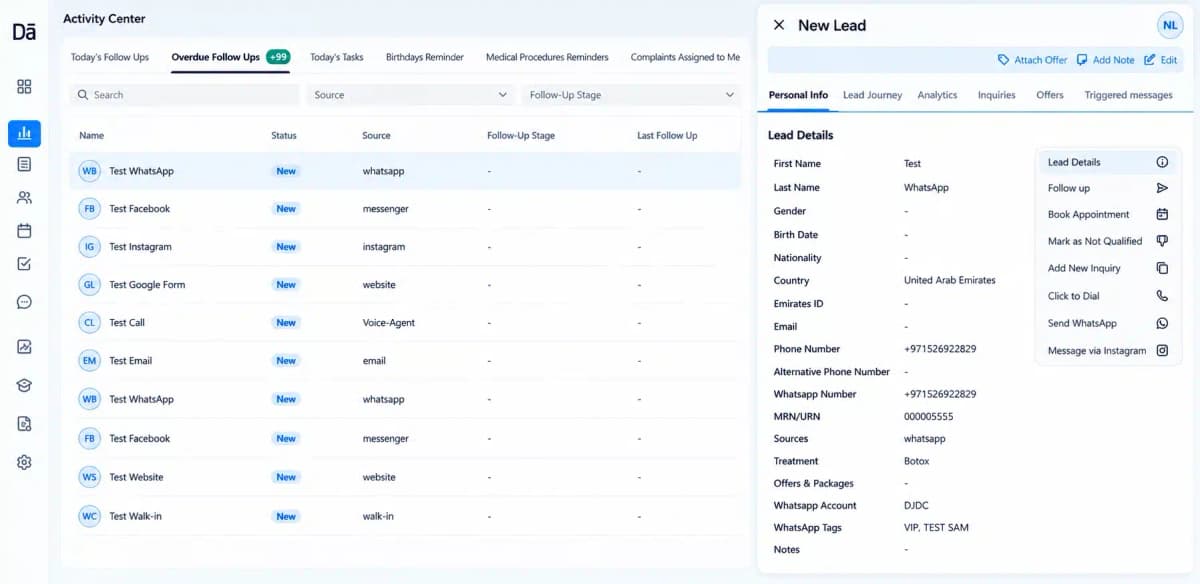
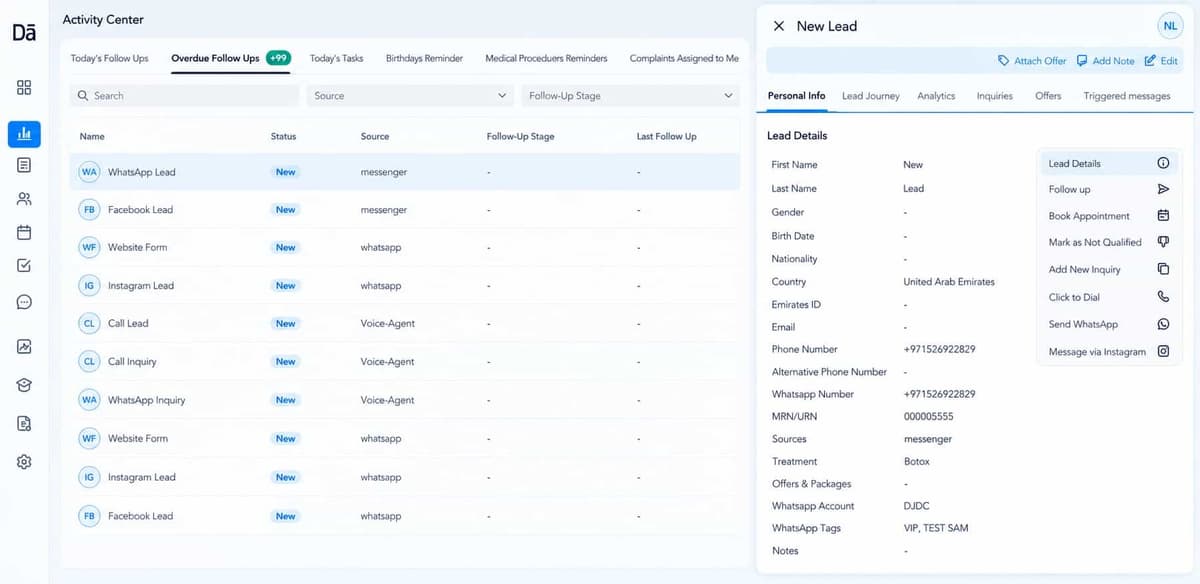
For instance, nurses can receive automated alerts for follow-up care, while administrative staff are notified about upcoming appointments or missed visits. These automated workflows, customized by role, ensure that every team member focuses on their specific duties without duplication of effort.

As a result, healthcare organizations can improve productivity, reduce human error, and deliver more consistent care.

5. Empowering Multi-Clinic and Multi-Department Operations

Large healthcare networks often operate across multiple branches or specialties — cardiology, dermatology, pediatrics, and more. In such environments, centralized role management becomes even more essential.

Healthcare CRMs allow administrators to create hierarchical access levels:

  • Global admins oversee all branches and have full control.
  • Department heads manage their teams and workflows.
  • Staff members access only the information relevant to their roles.

This structured approach ensures smooth operations across different clinics or departments while maintaining transparency and accountability at every level.

6. Improving Communication and Coordination

Effective communication among departments is a cornerstone of high-quality healthcare. CRMs facilitate this through role-based communication channels — secure internal messaging, task assignments, and shared dashboards.

For example, when a doctor updates a patient’s treatment plan, the relevant nursing team automatically receives a notification. Similarly, billing departments can be alerted when new treatments are added, ensuring that invoices remain accurate and up to date.

By defining roles clearly, CRMs eliminate communication bottlenecks and ensure that critical updates reach the right people at the right time.

7. Enhancing Accountability and Transparency

With role-based permissions, every action within the CRM is traceable. Each update, file upload, or data modification can be linked back to a specific user or department.

This audit trail enhances accountability by making it clear who performed what task and when. In case of discrepancies or compliance checks, administrators can easily track actions and identify the source of errors.

Transparency not only strengthens internal governance but also builds trust among teams — everyone knows their responsibilities and boundaries within the system.

8. Customizing Dashboards and Reports by Role

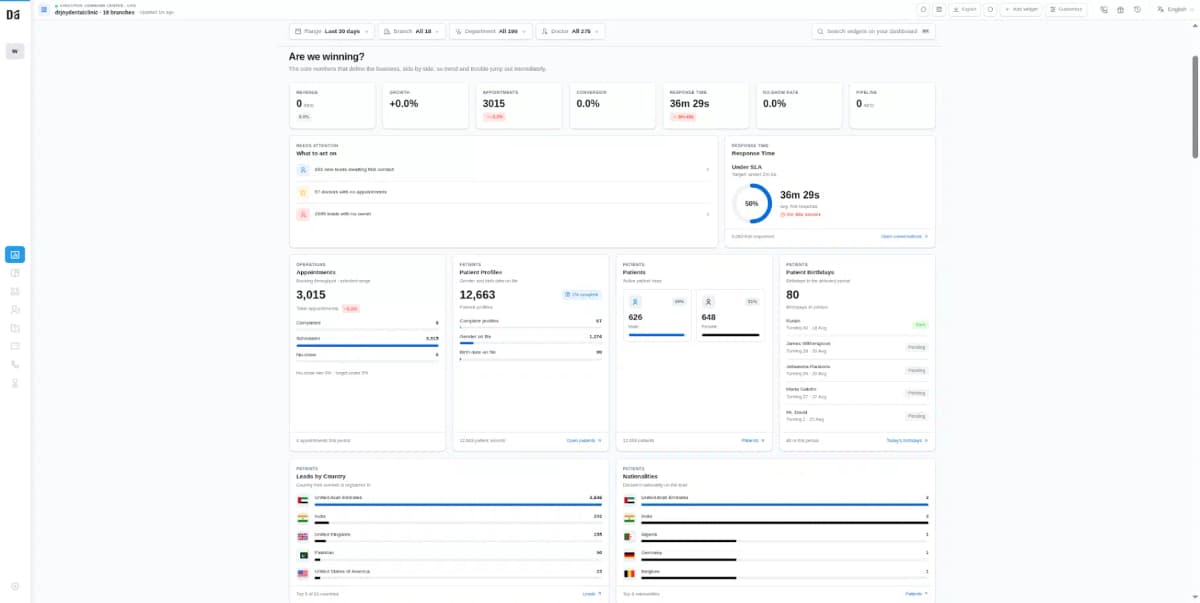
Not every department needs the same data. A one-size-fits-all dashboard can overwhelm users with irrelevant information. Role management allows CRMs to customize dashboards and reports based on user roles.

For example:

  • Doctors see patient health trends, test reports, and treatment outcomes.
  • Administrators view operational efficiency metrics.
  • Marketing teams analyze engagement campaigns and referral data.
  • Finance teams focus on billing cycles and revenue reports.

This role-specific reporting ensures that each team has quick access to the most relevant insights — enabling faster decision-making and better performance.

9. Training and Onboarding Efficiency

Role management simplifies the onboarding process for new employees. Instead of overwhelming them with the entire CRM system, they only need to learn the tools and data relevant to their roles.

Moreover, administrators can easily assign, modify, or revoke access when employees change departments or leave the organization, maintaining both efficiency and security.

10. The Future of Role Management in Healthcare CRMs

As healthcare continues to embrace digital transformation, role management will become even more advanced. Future CRMs will leverage AI and automation to dynamically adjust access permissions based on workflow changes, risk factors, or patient privacy needs.

For example, AI could automatically detect when a doctor switches departments and update their permissions accordingly, ensuring seamless transitions without manual oversight.

This intelligent role management will make CRMs more adaptive, secure, and efficient—empowering healthcare providers to focus on patient care rather than administrative control.

Conclusion

Effective role management across departments is essential for ensuring data security, operational efficiency, and seamless collaboration in modern healthcare systems.

By defining clear access controls, streamlining communication, and tailoring workflows, Healthcare CRMs empower every department to work harmoniously toward a common goal — better patient outcomes.

As technology evolves, role-based automation and AI-driven access control will further enhance how healthcare teams collaborate, making healthcare CRM systems the cornerstone of a connected, secure, and patient-centric future.

Get a full product demo via a video call

Read About Doctorna

Scroll to Top