
The healthcare industry is undergoing a digital transformation, driven by the growing demand for patient-centered care. One of the most exciting developments in this evolution is the rise of personalized medicine — a medical approach that tailors treatments and care plans to individual patients based on their genetic, lifestyle, and environmental factors.
At the same time, Customer Relationship Management (CRM) systems are becoming essential tools for healthcare providers, helping them manage patient data, improve engagement, and streamline communication. When personalized medicine and CRM integration come together, they create a powerful synergy that enhances patient outcomes, operational efficiency, and long-term trust.
This blog explores how CRM technology is shaping the future of personalized medicine, the benefits of integration, and what the future holds for healthcare providers embracing this innovation.
1. Understanding Personalized Medicine
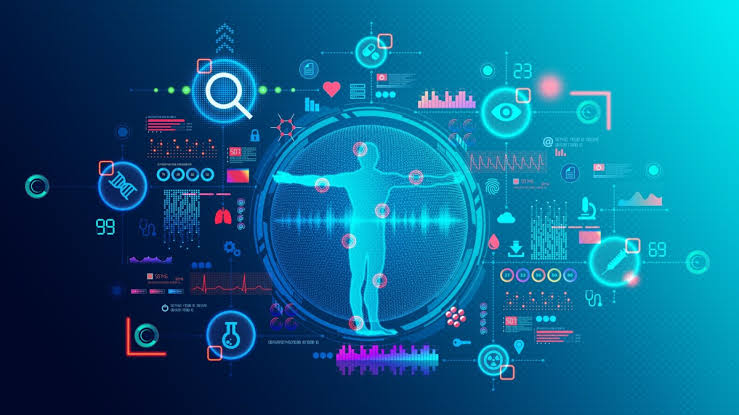
Personalized medicine, also known as precision medicine, moves away from the traditional “one-size-fits-all” model of healthcare. Instead, it uses genetic data, health records, and predictive analytics to design treatments that are specific to each patient’s unique biology and health profile.
For example:
- Genetic testing can identify how a patient will respond to a specific drug.
- Data from wearable devices can track health metrics like heart rate, sleep, and activity levels.
- Predictive algorithms can anticipate potential diseases before symptoms appear.
The ultimate goal of personalized medicine is to improve outcomes by providing precise, preventive, and patient-specific care. However, this approach generates an enormous amount of data — and that’s where CRM systems play a crucial role.
2. The Role of CRM in Modern Healthcare
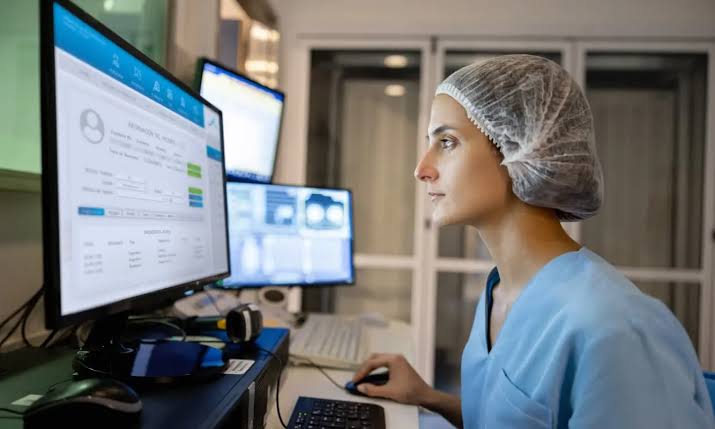
Originally designed for sales and marketing, CRM systems have evolved into powerful healthcare management tools. In healthcare, a CRM acts as a centralized patient relationship platform, allowing providers to collect, organize, and analyze patient data.
A healthcare CRM can:
- Store and manage electronic health records (EHRs).
- Track patient interactions, appointments, and treatment histories.
- Automate reminders and follow-ups to improve engagement.
- Enable secure communication between patients and providers.
When integrated with personalized medicine, CRM platforms can bridge the gap between clinical data and patient engagement — making treatments not only data-driven but also emotionally intelligent.
3. How CRM Integration Enhances Personalized Medicine
The integration of CRM systems with personalized medicine platforms allows healthcare organizations to bring together medical insights and patient relationship data. Here’s how the combination works:
a. Unified Data for Complete Patient Profiles
CRM integration consolidates clinical, behavioral, and genetic data into a single, unified profile. This gives doctors a holistic view of each patient’s medical history, preferences, and lifestyle.
For example, if a patient’s CRM record shows poor medication adherence, doctors can use personalized medicine data to identify alternative treatments or provide tailored interventions.
b. Predictive and Preventive Healthcare
With advanced analytics, CRM systems can identify patterns and predict potential health risks. When combined with personalized genetic insights, healthcare providers can create preventive plans — helping patients avoid serious conditions before they develop.
c. Enhanced Patient Communication
Personalized medicine is data-driven, but communication remains human-centered. CRM tools enable personalized interactions through emails, SMS, or app notifications. Patients receive reminders, wellness tips, or treatment updates tailored to their specific health needs, improving engagement and trust.
d. Streamlined Clinical Workflows
CRM integration simplifies complex workflows by automating routine tasks like appointment scheduling, billing, and follow-ups. This allows medical professionals to focus more on patient care and less on administrative duties.
4. Benefits of CRM and Personalized Medicine Integration
Integrating CRM systems with personalized medicine delivers numerous benefits for both patients and healthcare organizations:
a. Improved Patient Outcomes
When care is customized to each individual’s biological and behavioral profile, the success rate of treatments increases dramatically. CRM data ensures that healthcare providers can monitor progress, make timely adjustments, and keep patients actively involved in their care plans.
b. Greater Operational Efficiency
By automating processes such as appointment reminders and patient segmentation, healthcare providers save time and reduce errors. The CRM also provides real-time insights that help in decision-making, improving resource allocation and overall productivity.
c. Data-Driven Insights for Research and Innovation
CRM systems collect large volumes of patient data, which can be anonymized and analyzed to identify trends, improve diagnostics, and contribute to medical research. This accelerates innovation and enables the development of more effective treatments.
d. Enhanced Patient Engagement and Loyalty
In an era where patients expect personalized digital experiences, CRM integration ensures continuous engagement. From personalized health updates to customized care plans, patients feel more connected and valued — fostering long-term loyalty.
5. The Role of AI and Automation in the Future
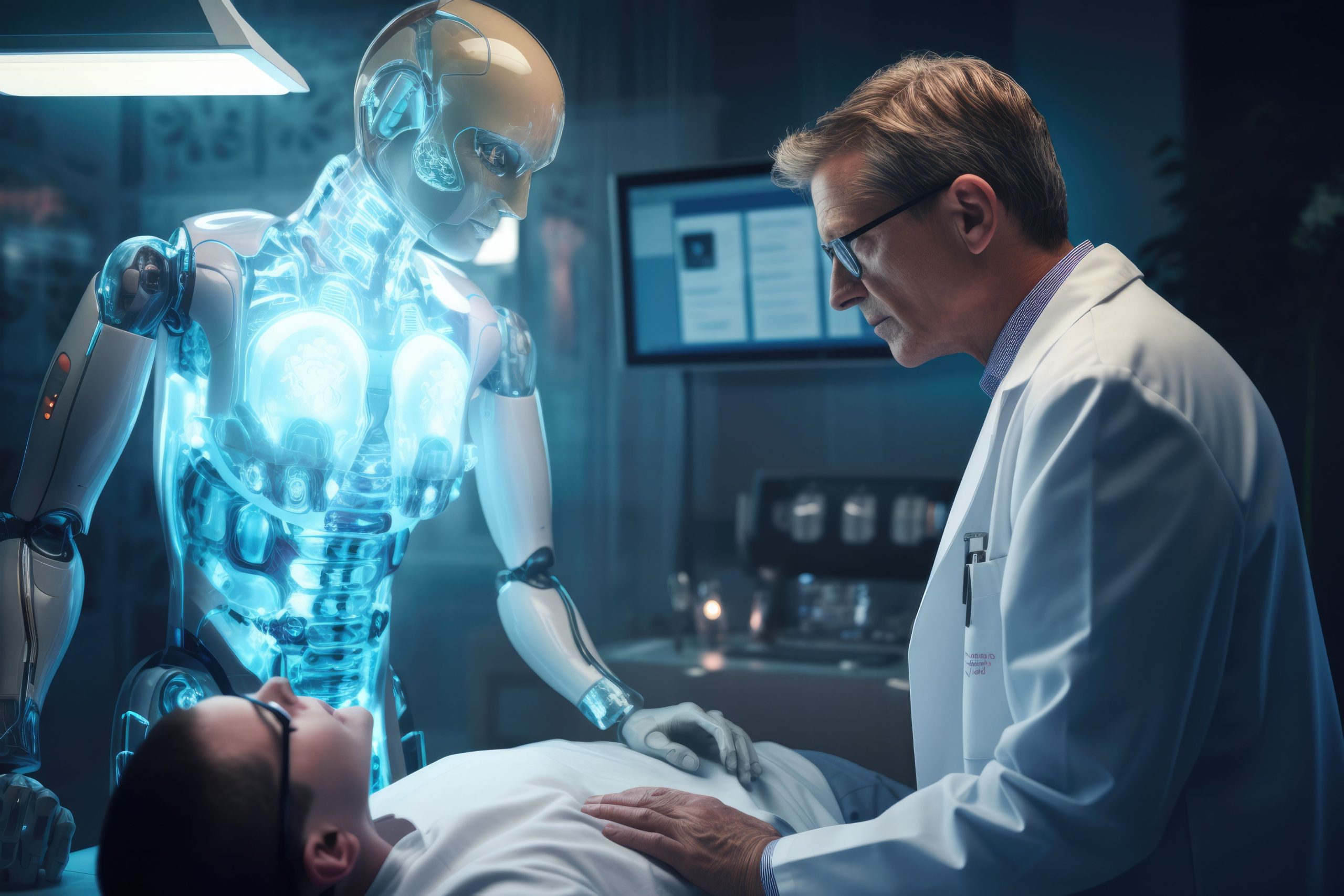
The future of personalized medicine and CRM integration lies in the hands of artificial intelligence (AI), automation, and big data. AI-powered CRM systems can analyze vast datasets from genomics, wearable devices, and electronic records to identify patterns invisible to human eyes.
For instance:
- AI algorithms can recommend treatment options based on patient genetics and real-time health data.
- Chatbots integrated with CRM can provide instant, personalized responses to patient queries.
- Predictive analytics can identify early warning signs of chronic diseases, allowing for proactive care.
These intelligent systems not only make healthcare more precise but also make it more accessible, efficient, and responsive.
6. Challenges and Considerations
Despite its enormous potential, integrating personalized medicine with CRM systems is not without challenges. Key considerations include:
- Data privacy and security: Sensitive health and genetic data must be stored and shared securely, complying with regulations like GDPR and HIPAA.
- Interoperability: Seamless integration between CRM, EHR, and other medical systems requires standardized data formats and protocols.
- Cost and training: Implementing such systems involves significant investment in technology and staff training.
However, as technology advances and cloud-based healthcare solutions become more affordable, these barriers are gradually diminishing.
7. What the Future Holds
The next decade will see healthcare evolve into a fully data-driven ecosystem. CRM systems will serve as the central hub, connecting patient data, genetic insights, and communication tools in real time.
Hospitals and clinics adopting CRM-integrated personalized medicine will be able to:
- Offer faster and more accurate diagnoses.
- Reduce medical errors through predictive analytics.
- Deliver a seamless, connected patient experience across multiple touchpoints.
As patient expectations continue to grow, healthcare providers who invest in this integration early will gain a significant competitive edge — improving both patient satisfaction and clinical performance.

Conclusion
The future of healthcare lies at the intersection of personalized medicine and CRM integration. By merging data-driven insights with intelligent patient relationship management, healthcare organizations can transform the way they deliver care — making it more precise, predictive, and personal.
This integration not only enhances medical outcomes but also strengthens trust, communication, and efficiency across the healthcare system.
In the coming years, as AI, big data, and CRM technology continue to evolve, personalized medicine will no longer be a luxury — it will become the foundation of modern healthcare.