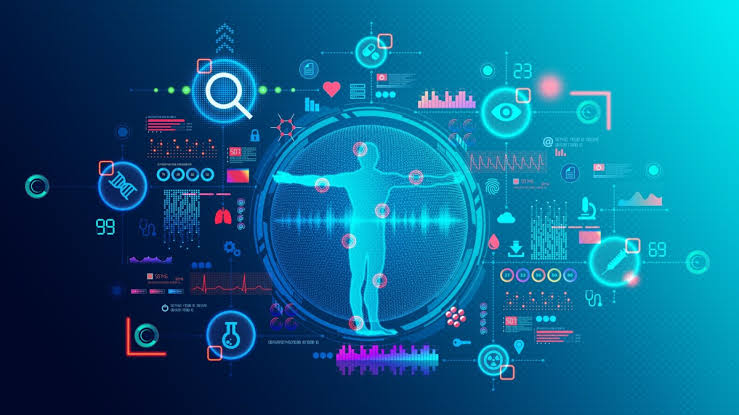


The healthcare industry is rapidly embracing digital transformation, integrating advanced technologies to improve patient experiences and streamline clinical workflows. One of the most promising innovations shaping the future of healthcare operations is the voice-activated Customer Relationship Management (CRM) system.
As artificial intelligence (AI) and voice recognition technologies continue to evolve, voice-activated CRM systems in healthcare are emerging as powerful tools for enhancing efficiency, reducing administrative burden, and personalizing patient care. This next-generation technology is set to revolutionize how medical professionals interact with data, patients, and systems — bringing convenience, accuracy, and speed to healthcare management.
1. Understanding Voice-Activated CRM Systems
A voice-activated CRM is an intelligent platform that allows users to interact with CRM functions through spoken commands instead of manual input. By integrating natural language processing (NLP) and speech recognition technology, these systems can understand, process, and respond to human speech in real time.
In healthcare, a voice-activated CRM enables doctors, nurses, and administrative staff to:
- Access patient data hands-free.
- Schedule appointments and manage records through voice commands.
- Update treatment notes or prescriptions verbally.
- Retrieve key metrics, such as patient engagement or follow-up rates, instantly.
Essentially, it transforms the traditional CRM into an intelligent assistant that works alongside healthcare professionals — saving time and improving accuracy.
2. Why Healthcare Needs Voice-Activated CRM Systems
Healthcare professionals often juggle multiple responsibilities, from patient care to documentation and communication. Manual data entry and system navigation can be time-consuming, leaving less room for direct patient interaction.
A voice-activated CRM addresses these challenges by offering:
- Hands-free access to information, allowing clinicians to multitask effectively.
- Faster documentation, reducing the need for manual typing.
- Improved workflow efficiency, minimizing administrative delays.
Imagine a doctor being able to say, “Show me John Doe’s latest lab results” or “Schedule a follow-up with the cardiology department” — all while examining a patient. This level of accessibility and speed can transform patient care and clinical operations.
3. Enhancing Patient Engagement and Communication
Voice-activated CRMs go beyond operational efficiency — they also enhance patient engagement. By integrating voice assistants into CRM systems, healthcare providers can offer more interactive and personalized experiences for patients.
For instance:
- Patients can use voice-enabled apps or kiosks to book appointments, check test results, or receive medication reminders.
- Hospitals can automate patient communication, sending voice-based notifications for upcoming appointments or post-treatment care.
- Voice data can be analyzed within the CRM to gain insights into patient sentiment and preferences.
These features foster stronger patient-provider relationships, increasing satisfaction and retention rates while ensuring better adherence to care plans.
4. Integration With AI and Predictive Analytics
The true potential of voice-activated CRM systems lies in their integration with AI and predictive analytics. When combined, these technologies can analyze voice data, detect patterns, and provide actionable insights to healthcare providers.
For example:
- AI can recognize emotional cues in a patient’s voice during teleconsultations, helping doctors detect anxiety or stress.
- Predictive analytics within the CRM can alert providers about patients at risk of non-compliance or readmission.
- Voice commands can trigger automated workflows, such as sending a follow-up message or scheduling a diagnostic test.
This combination of AI, voice, and data analytics creates a smarter, more intuitive healthcare ecosystem, enabling personalized and proactive care.
5. Improving Operational Efficiency
In addition to enhancing patient interactions, voice-activated CRM systems can dramatically improve the efficiency of healthcare organizations.
- Faster data entry: Clinicians can dictate notes directly into the CRM, reducing the time spent on manual input.
- Reduced errors: Voice commands eliminate the risk of typos or misplaced information.
- Better collaboration: Multiple departments can access and update patient information in real time, improving coordination.
- Enhanced scheduling: Voice-enabled tools can manage appointments, reminders, and patient communications seamlessly.
By automating repetitive tasks, healthcare teams can focus more on patient care and less on administrative work — a win-win for both efficiency and patient satisfaction.
6. Data Security and Compliance
Data privacy is a critical concern in healthcare, and integrating voice technology into CRM systems requires strict adherence to security standards such as HIPAA and GDPR.
Voice-activated CRMs must ensure:
- Encrypted voice data storage and transmission.
- Authentication mechanisms like biometric or voice ID verification.
- Controlled access based on user roles to prevent unauthorized data exposure.
As speech recognition technologies advance, developers are prioritizing secure architectures to ensure that voice-enabled systems remain compliant and trustworthy.
7. Overcoming Challenges
While voice-activated CRMs hold immense potential, a few challenges remain:
- Accuracy in complex medical terminology: Voice systems must be trained to recognize specialized healthcare vocabulary.
- Noise interference: Hospitals can be noisy environments, requiring advanced noise-cancellation technologies.
- User adoption: Staff may need training to trust and adapt to new voice technologies.
- Integration with legacy systems: Older CRM platforms or EHRs may need updates to accommodate voice functionality.
However, as AI and speech recognition evolve, these challenges are becoming easier to overcome. Healthcare organizations that invest in AI-driven CRM development today will gain a competitive advantage as the technology matures.
8. The Future Outlook
The future of voice-activated CRM systems in healthcare looks incredibly promising. As hospitals continue to digitalize, voice will play a central role in redefining patient management and clinical workflows.
We can expect to see:
- Widespread use of virtual health assistants, integrated with CRM systems, supporting doctors and patients 24/7.
- Voice-based analytics dashboards that provide instant insights for decision-making.
- Seamless interoperability between CRMs, EHRs, and AI-powered voice tools, creating a connected healthcare ecosystem.
- Personalized patient journeys, where CRMs adapt care plans and communication based on real-time voice data.
In the next few years, healthcare organizations adopting voice-activated CRMs will set new standards for efficiency, accessibility, and patient satisfaction.

Conclusion
The integration of voice technology into CRM systems marks a new era in healthcare management. By enabling hands-free access, intelligent automation, and personalized communication, voice-activated CRM systems empower medical professionals to focus on what matters most — patient care.
As AI, machine learning, and voice recognition technologies continue to advance, healthcare providers that embrace this innovation will not only enhance efficiency but also redefine the patient experience.
The future of healthcare is conversational — and voice-activated CRM systems are leading the way toward smarter, faster, and more human-centered care.