

Chronic diseases such as diabetes, heart disease, hypertension, and asthma are among the leading causes of death and disability worldwide. Managing these long-term conditions requires continuous monitoring, timely interventions, and personalized care — all of which can be challenging for healthcare providers.
This is where Customer Relationship Management (CRM) systems are transforming the landscape of chronic disease management. Originally designed for sales and marketing, CRM technology has evolved into a powerful tool for the healthcare industry — helping providers track, manage, and engage chronic patients more effectively.
By centralizing patient data, automating communication, and providing real-time analytics, healthcare CRMs enable organizations to deliver proactive and personalized care that improves outcomes and enhances patient satisfaction. Let’s explore how CRM helps track and manage chronic patients and why it’s becoming an indispensable part of modern healthcare.
1. Centralized Patient Data for Comprehensive Care
One of the biggest challenges in chronic disease management is fragmented patient data. Patients with long-term conditions often visit multiple specialists, undergo numerous tests, and use different healthcare facilities. Without an integrated system, keeping track of all this information becomes difficult.
A healthcare CRM acts as a centralized hub for patient data, consolidating medical histories, lab reports, prescriptions, and communication records in one place.
This unified view allows healthcare providers to:
- Access complete patient profiles in real time.
- Coordinate care among different departments and specialists.
- Identify trends and track progress over time.
For instance, if a diabetic patient’s glucose readings show recurring spikes, the CRM can flag it, prompting the care team to schedule a follow-up or adjust the treatment plan.
2. Proactive Monitoring and Early Intervention
CRMs equipped with data analytics and AI capabilities enable healthcare providers to move from reactive to proactive care. Instead of waiting for patients to report symptoms, the system can identify warning signs early.
For example:
- A CRM can analyze patterns in blood pressure readings and alert doctors if levels remain high for consecutive weeks.
- Patients can be automatically reminded to update their vitals or schedule routine checkups.
- Predictive analytics can identify patients at higher risk of complications, allowing clinicians to intervene before the condition worsens.
This proactive approach not only improves health outcomes but also reduces hospital readmissions — a key metric in chronic care management.
3. Personalized Care Plans
Every chronic patient’s condition is unique. CRM systems enable healthcare providers to create and manage personalized care plans based on individual needs, lifestyle, and medical history.
Using data stored in the CRM, doctors can tailor medication plans, diet recommendations, and follow-up schedules. Moreover, these plans can be dynamically adjusted as new data becomes available — ensuring that the care remains relevant and effective.
For example, if a heart patient logs daily exercise data through a wearable device, the CRM can track it and provide personalized feedback or encouragement through automated messages.
Personalized care fosters stronger patient engagement, helping individuals take an active role in managing their health.
4. Streamlined Communication and Follow-Up
Regular communication is essential for chronic disease management. Patients need consistent guidance, motivation, and reminders to adhere to their care plans.
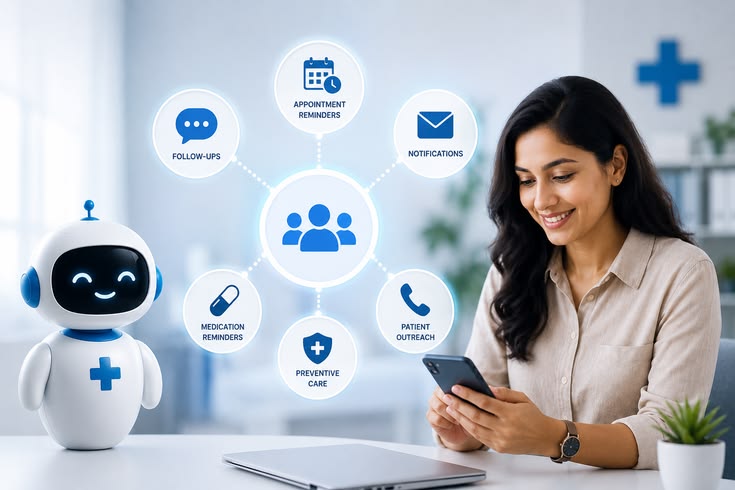
CRM systems make communication seamless by automating personalized reminders, appointment notifications, and educational messages via SMS, email, or mobile apps.
For example:
- Patients receive alerts for upcoming consultations or medication refills.
- Doctors can send tailored messages about diet, exercise, or lifestyle modifications.
- Chat integrations allow patients to reach out for quick support or questions.
By maintaining consistent communication, CRMs reduce the chances of missed appointments or neglected treatments — ensuring continuity of care for chronic patients.
5. Remote Patient Monitoring Integration
The future of chronic care lies in remote monitoring — and CRM systems are at the heart of this transformation. By integrating with wearable devices, mobile health apps, and remote monitoring tools, CRMs can continuously collect patient data outside the clinic.
For instance:
- Smart glucometers, blood pressure monitors, and fitness trackers send data directly to the CRM.
- The system automatically updates patient records and triggers alerts for abnormal readings.
- Healthcare professionals can review real-time data dashboards to make informed decisions quickly.
This data-driven, continuous monitoring ensures that chronic conditions are managed effectively without requiring frequent hospital visits — offering convenience to both patients and providers.
6. Data Analytics for Better Decision-Making
CRMs equipped with analytics tools provide valuable insights that can shape long-term strategies for chronic disease management.
Through data visualization and reporting, healthcare organizations can:
- Identify common patterns among chronic patients.
- Measure the effectiveness of treatments and interventions.
- Predict patient behavior and potential health risks.
For example, analytics can reveal that patients who receive weekly engagement messages have better adherence rates. Providers can then use this insight to refine their communication strategy.
This data-driven decision-making helps improve patient outcomes while optimizing operational efficiency.
7. Enhancing Patient Engagement and Empowerment
One of the major benefits of CRM in chronic care management is patient empowerment. By giving patients access to their data, progress reports, and treatment plans, CRMs encourage them to take responsibility for their health.
Patients can log their symptoms, update daily metrics, and track improvements over time. They also receive personalized tips and motivational content to stay on track with their goals.
Engaged patients are more likely to follow treatment plans, attend appointments, and communicate openly with their care teams — all of which lead to better long-term outcomes.
8. Improved Coordination Among Care Teams
Chronic patients often require care from multiple specialists — such as primary care doctors, dietitians, and physiotherapists. A healthcare CRM ensures seamless coordination by providing a shared platform for communication and updates.
Team members can:
- Share progress notes and treatment updates in real time.
- Assign tasks or flag issues that need attention.
- Ensure that all providers have access to the same up-to-date information.
This coordinated care approach eliminates duplication, reduces errors, and ensures that every provider works toward the same patient goals.

Conclusion
Managing chronic diseases requires consistent attention, collaboration, and personalization — and CRM systems are making it easier than ever. By centralizing patient data, enabling proactive monitoring, and enhancing communication, CRMs empower healthcare providers to deliver better, more efficient care.
From tracking progress and predicting risks to personalizing treatment plans and automating engagement, CRM technology is transforming chronic disease management into a smarter, patient-focused process.
As healthcare continues to evolve, integrating CRM systems will no longer be optional — it will be essential for hospitals, clinics, and healthcare organizations committed to improving long-term patient outcomes.
In the future, CRM-powered chronic care management will not only streamline operations but also bring healthcare closer to what it should be — personalized, proactive, and patient-centric.