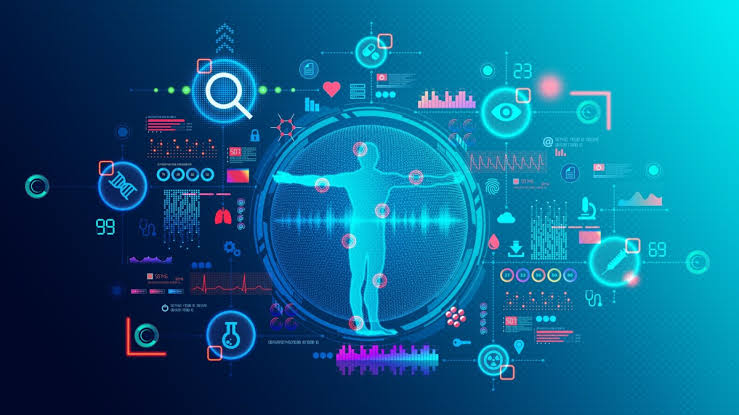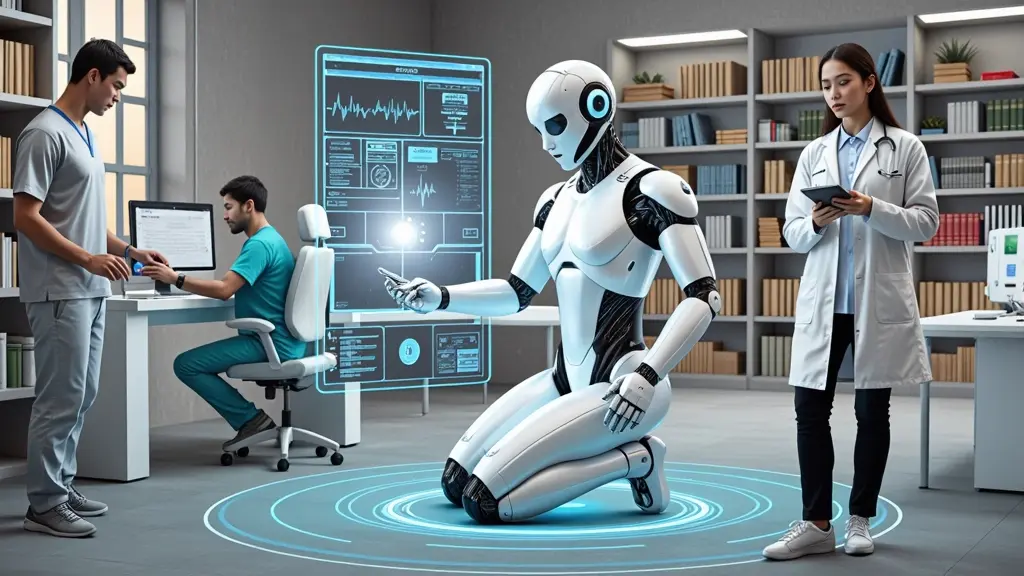
Artificial Intelligence (AI) is transforming nearly every aspect of the healthcare industry, from diagnostics to patient engagement. One of the most impactful applications of AI in recent years is the integration of AI-powered chatbots into Healthcare Customer Relationship Management (CRM) systems.
These chatbots are far more than just virtual assistants—they are intelligent tools that help healthcare organizations streamline operations, improve patient experiences, and manage communication efficiently. As healthcare providers continue to embrace digital transformation, AI chatbots are becoming indispensable in delivering faster, smarter, and more personalized care.
Let’s explore what AI chatbots can do in healthcare CRM and how they are reshaping patient engagement and healthcare operations.
1. Automating Appointment Scheduling and Reminders
Scheduling appointments has traditionally been one of the most time-consuming tasks for healthcare staff. Patients often call or email to book appointments, leading to long wait times and administrative bottlenecks.
An AI chatbot integrated with a healthcare CRM can automate this entire process. Patients can simply chat with the bot on a website, patient portal, or mobile app to book, reschedule, or cancel appointments in real time.
The chatbot syncs with the CRM and the healthcare provider’s calendar, ensuring there are no scheduling conflicts. It can also send automated reminders via SMS or email to reduce no-shows. This not only improves operational efficiency but also enhances the patient experience by providing 24/7 scheduling support.
2. Answering Common Patient Queries
Healthcare staff often spend a significant portion of their day answering repetitive questions — about clinic hours, doctor availability, insurance coverage, or treatment options. AI chatbots can handle these inquiries instantly.
By integrating with the CRM, chatbots can access relevant data and provide accurate, personalized responses to patients. For example, if a patient asks about their upcoming appointment or billing details, the chatbot can pull this information directly from the CRM and deliver it securely.
This saves staff time, reduces call center load, and ensures patients get timely answers anytime, day or night.
3. Streamlining Patient Onboarding
First impressions matter in healthcare. When new patients reach out, AI chatbots can play a crucial role in streamlining the onboarding process.
Instead of manually filling out long registration forms, patients can interact with the chatbot, which collects essential details like name, contact information, medical history, and insurance provider. The chatbot then stores this data directly in the CRM, automatically creating or updating the patient’s profile.
This process minimizes paperwork, reduces manual data entry errors, and accelerates the check-in process during the patient’s first visit.
4. Providing Personalized Health Recommendations
AI chatbots can do much more than just answer basic questions—they can offer personalized health insights based on CRM data.
For instance, by analyzing a patient’s medical history, appointment records, or treatment plans stored in the CRM, the chatbot can provide customized advice, such as reminders for medication, preventive screenings, or wellness programs.
If a patient with diabetes hasn’t had a follow-up in several months, the chatbot can automatically send a reminder to schedule a check-up or offer educational content about managing blood sugar levels.
This kind of proactive communication helps healthcare providers build stronger, more personalized relationships with their patients.
5. Assisting With Insurance and Billing Queries
Billing and insurance questions are among the most common and complex issues patients face. Many patients struggle to understand claims, deductibles, and coverage details, often resulting in frustration and delays.
AI chatbots integrated with healthcare CRMs can simplify this process. They can:
- Check the status of insurance claims in real time
- Provide details about coverage eligibility
- Offer explanations for billing statements
- Guide patients on payment options
By automating these interactions, healthcare organizations can improve transparency and reduce administrative workload, while patients receive quick and clear answers.
6. Enhancing Patient Engagement Through Continuous Communication
Patient engagement doesn’t end after an appointment. Ongoing communication is essential to maintain long-term relationships and improve health outcomes.
AI chatbots help healthcare providers stay connected by sending automated follow-ups, satisfaction surveys, and health tips. For example:
- After a patient’s surgery, the chatbot can check in daily to monitor recovery progress.
- It can send a quick survey asking about their experience and satisfaction.
- It can even recommend wellness programs based on their treatment plan.
All these interactions are recorded in the CRM, allowing the healthcare team to track engagement levels and identify opportunities for personalized follow-ups.
7. Supporting Mental Health and Telemedicine
AI chatbots are playing an increasingly important role in mental health support and telemedicine. They can provide basic emotional support, screen for symptoms, and guide patients to appropriate resources or professionals.
In telemedicine settings, chatbots can handle pre-consultation tasks like collecting symptoms, verifying insurance details, and preparing doctors with patient summaries from the CRM.
This ensures that virtual consultations are efficient, and healthcare providers have all the relevant information before the appointment begins.
8. Analyzing Patient Feedback and Behavior
Every patient interaction with a chatbot provides valuable data. When integrated with a CRM, these interactions can be analyzed to identify patterns in patient behavior, satisfaction, and preferences.
For example, the CRM can use chatbot data to identify frequent concerns, such as delays in claims or appointment scheduling issues. Healthcare organizations can then use these insights to make informed improvements in operations, marketing, and patient engagement strategies.
AI-driven analytics can even predict which patients are most likely to need follow-ups or preventive care, enabling providers to act proactively.
9. Ensuring Data Security and Compliance
Since healthcare involves sensitive personal information, AI chatbots integrated with CRMs must comply with strict regulations like HIPAA, GDPR, and local data protection laws.
Modern healthcare CRMs ensure that chatbot interactions are encrypted, authenticated, and securely stored. Access to sensitive information is restricted based on user roles, and audit trails track all interactions for accountability.
When implemented correctly, AI chatbots not only streamline communication but also uphold the highest standards of patient data privacy.

Conclusion
AI chatbots are revolutionizing how healthcare organizations interact with patients. When integrated with a Healthcare CRM, they become intelligent, efficient, and secure tools for managing communication, scheduling, and patient engagement.
From automating appointments and handling insurance queries to offering personalized health advice and collecting feedback, chatbots can significantly reduce administrative workloads and enhance patient satisfaction.
In an era where patients expect quick responses and personalized care, AI chatbots offer healthcare providers a powerful way to stay connected, improve outcomes, and operate more efficiently.
As technology continues to evolve, the combination of AI chatbots and CRM systems will shape the future of patient-centered healthcare — one that’s smarter, faster, and more human than ever before.