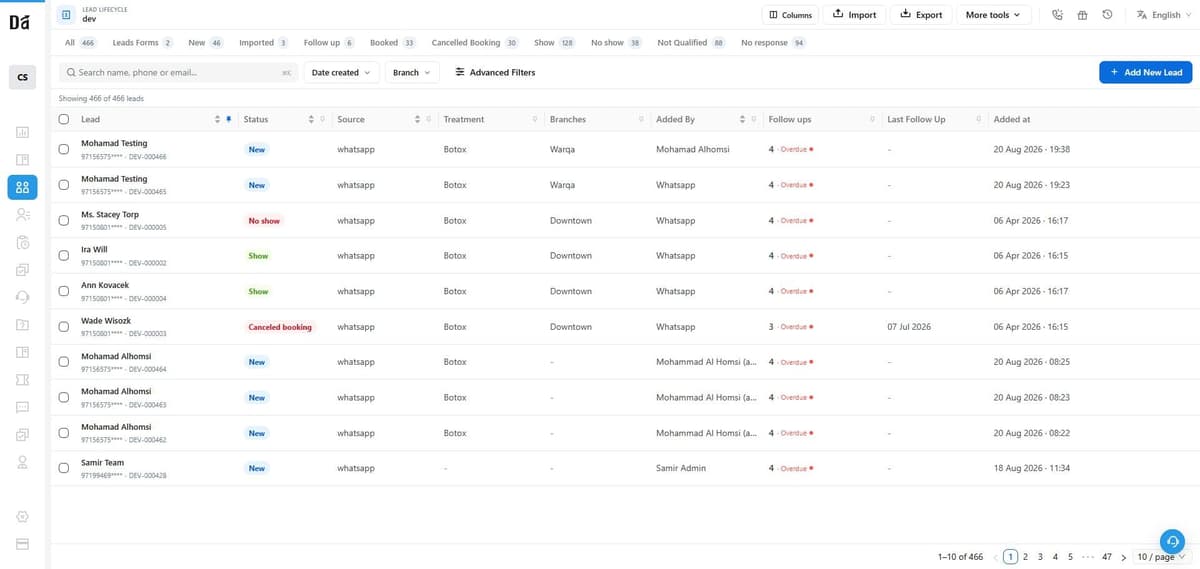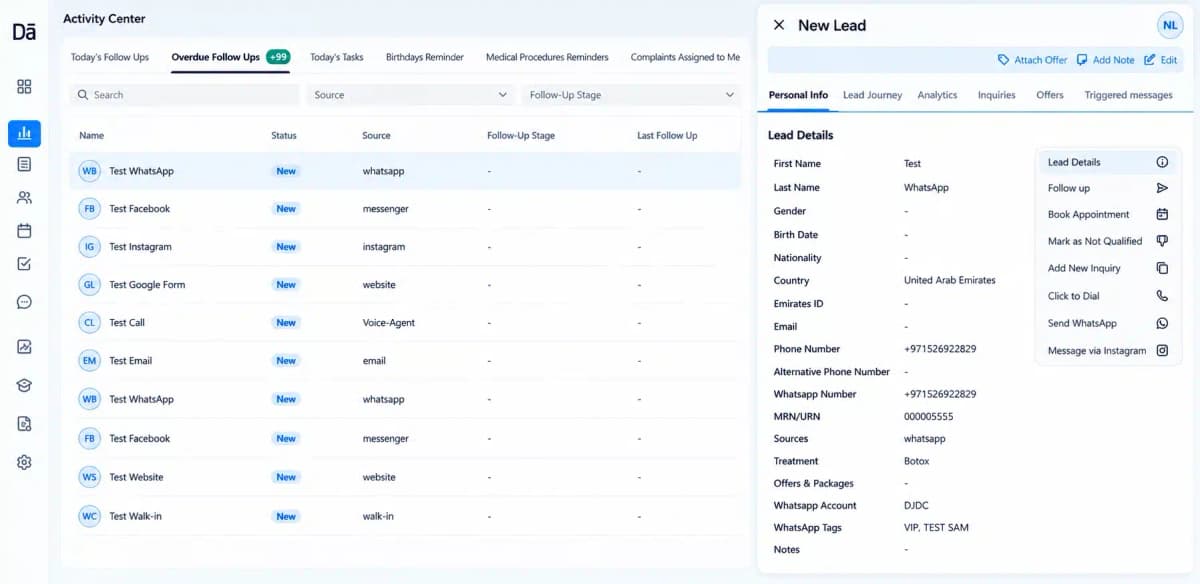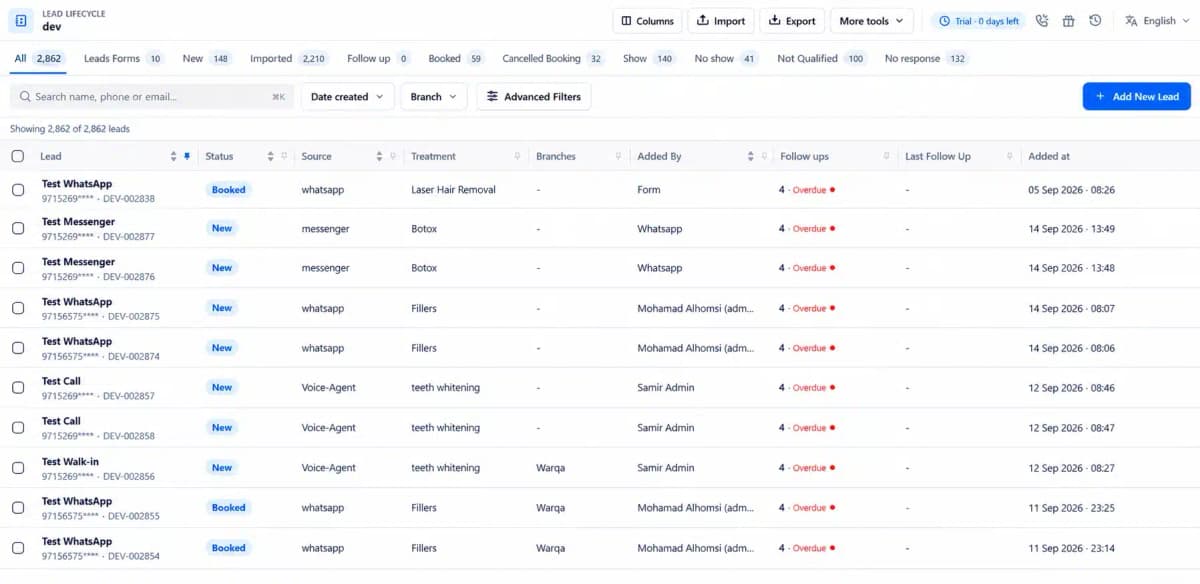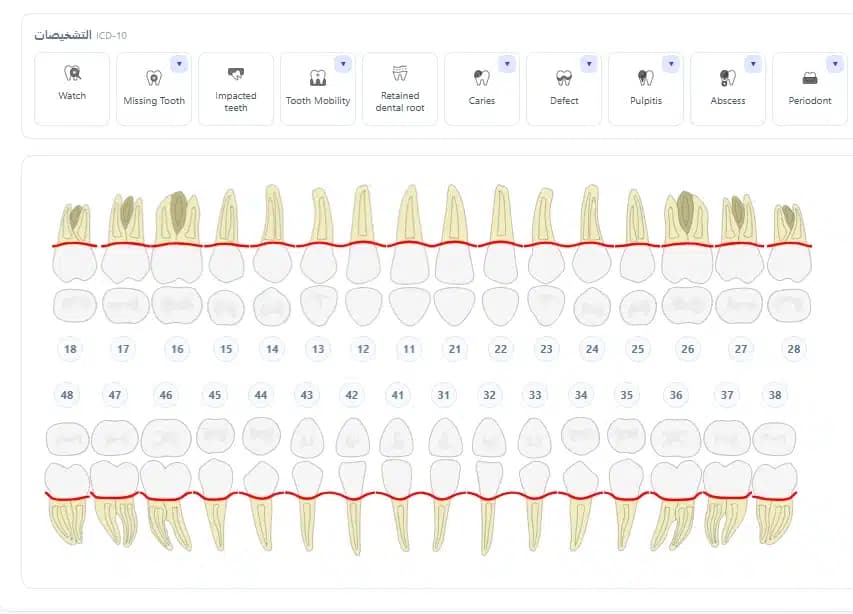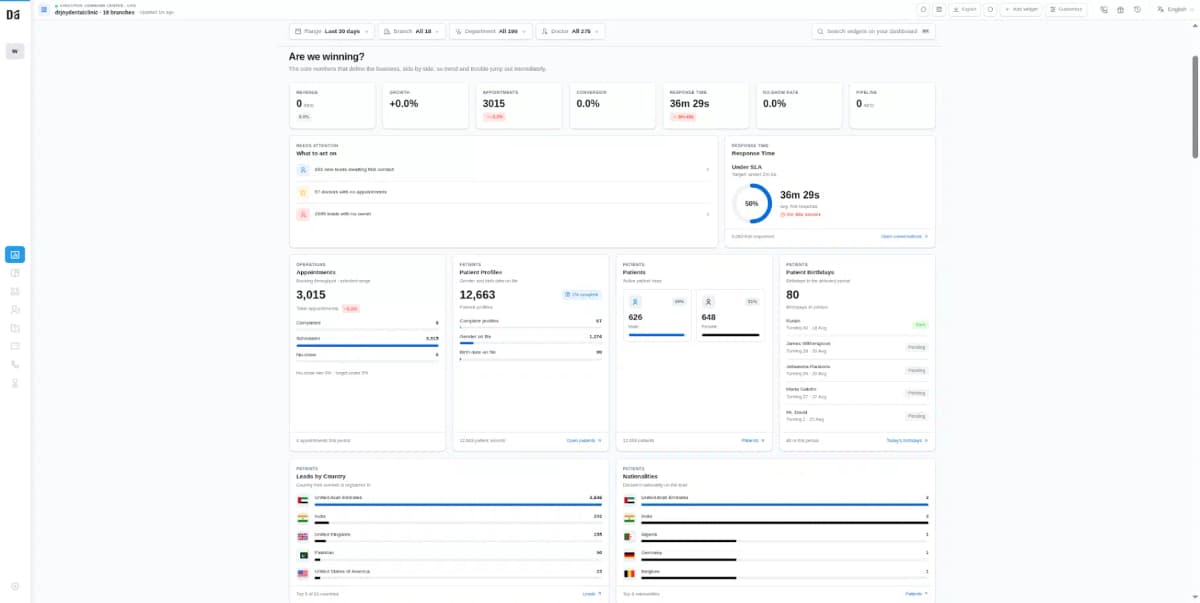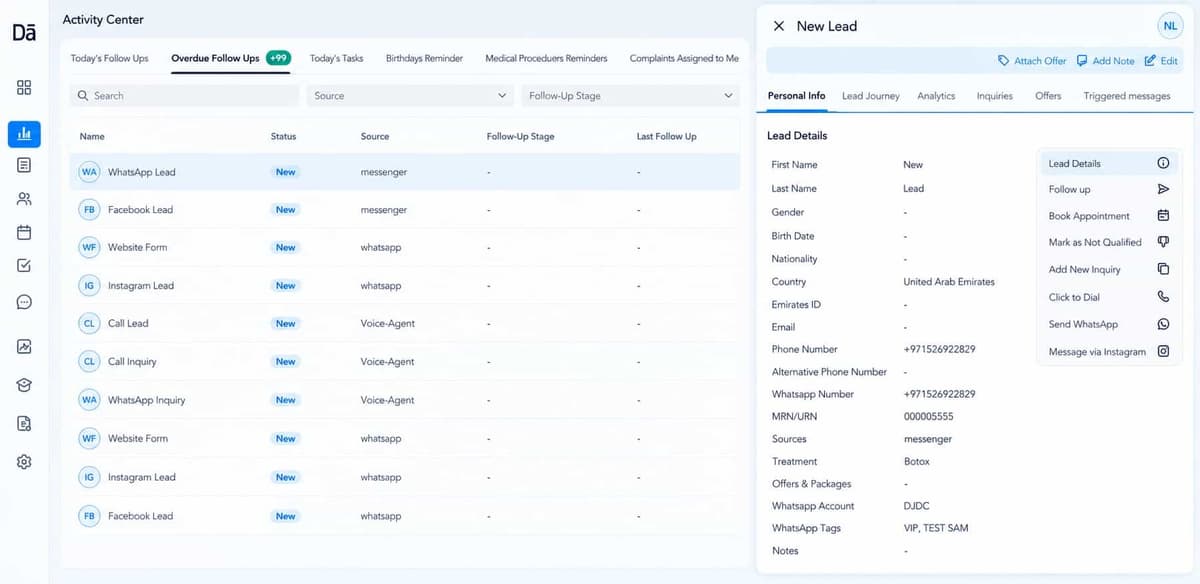
In the modern healthcare ecosystem, data is one of the most valuable assets an organization possesses. From patient records and appointment schedules to billing details and treatment histories, healthcare data drives clinical decisions, operational efficiency, and patient satisfaction. However, as data volumes grow, so do risks—duplicate records, outdated information, compliance issues, and inconsistent entries can all undermine care quality and trust.
This is where data audits in Healthcare CRM (Customer Relationship Management) systems become essential. A data audit ensures that the information stored in your CRM is accurate, complete, compliant, and secure. It helps healthcare organizations maintain data integrity while improving patient experience and regulatory adherence.
Here’s a step-by-step guide on how to conduct effective data audits in healthcare CRM, along with insights into why they matter and how to sustain long-term data health.
1. Why Data Audits Are Essential in Healthcare CRM
Before diving into the process, it’s crucial to understand the importance of data audits. Healthcare CRMs collect and manage sensitive information—patient demographics, clinical interactions, communication records, and billing data. Over time, this information can become inconsistent or outdated due to manual errors, system migrations, or lack of standardized input methods.
Without regular audits, this “dirty data” can lead to:
- Incorrect diagnoses or treatment plans due to inaccurate patient information.
- Compliance violations, especially with HIPAA and other data protection regulations.
- Reduced efficiency in staff workflows.
- Poor patient experiences from communication errors or billing mistakes.
A well-structured CRM data audit ensures that healthcare organizations can trust their data, make informed decisions, and deliver seamless patient care.
2. Define the Scope and Objectives of the Audit
Every successful data audit begins with a clear plan. Start by defining the scope—which areas of the CRM you’ll assess and what you want to achieve.
Common objectives include:
- Identifying duplicate or incomplete patient records.
- Ensuring compliance with privacy regulations (e.g., HIPAA, GDPR).
- Verifying the accuracy of contact, appointment, and billing data.
- Assessing data entry consistency across departments.
- Testing the integrity of integrations with EHR or telehealth platforms.
By outlining specific goals, you can focus your audit efforts and allocate the right resources to each task.
3. Assemble a Cross-Functional Audit Team
Data in healthcare CRM systems is touched by many departments—administration, clinical staff, billing, IT, and compliance. That’s why you need a cross-functional team to ensure every aspect is reviewed accurately.
Your audit team should include:
- CRM administrators – to provide technical access and configuration insights.
- Data analysts – to identify patterns and detect anomalies.
- Compliance officers – to ensure regulatory adherence.
- Clinical staff representatives – to validate medical and patient data accuracy.
- IT/security personnel – to assess system integrity and data security.
This collaborative approach ensures that both technical accuracy and clinical relevance are maintained during the audit.
4. Establish Data Quality Standards
Before auditing, define what “good data” means for your healthcare organization. Establish data quality standards around these core dimensions:
- Accuracy: Data reflects the real-world patient or event correctly.
- Completeness: No critical fields (e.g., patient ID, contact details, diagnosis codes) are missing.
- Consistency: Information is standardized across systems (e.g., same format for dates or phone numbers).
- Timeliness: Data is current and updated regularly.
- Uniqueness: No duplicate records exist.
- Validity: Data complies with required formats and healthcare regulations.
Documenting these benchmarks helps your audit team evaluate the CRM systematically and measure progress over time.
5. Use Data Profiling and Analysis Tools
Once standards are set, begin the audit with data profiling—analyzing the CRM database to identify patterns, inconsistencies, and anomalies.
Modern CRM systems often have built-in data analytics tools that can help generate reports on data accuracy and completeness. You can also use external tools to scan for:
- Duplicate patient records or inconsistent IDs.
- Incomplete demographic or insurance information.
- Invalid contact details (e.g., inactive phone numbers or emails).
- Missing or conflicting appointment data.
This step helps create a “data health snapshot” that reveals where issues are most concentrated.
6. Check for Compliance and Security Gaps
In healthcare, compliance is non-negotiable. During the audit, ensure your CRM adheres to HIPAA, GDPR, or other regional healthcare data protection laws.
Key areas to evaluate include:
- Access controls: Who has access to what data? Are permissions appropriately set?
- Encryption: Are sensitive records encrypted both in transit and at rest?
- Audit trails: Does the CRM log user activity and data changes?
- Data retention policies: Is data stored for the appropriate duration and securely deleted when no longer needed?
A compliance-focused audit not only protects patient privacy but also safeguards your organization from legal risks and reputational damage.
7. Identify and Correct Data Errors
After identifying issues, it’s time to clean the data. The data cleansing phase may involve:
- Merging duplicate records.
- Updating missing or outdated information.
- Correcting format inconsistencies (e.g., date formats, phone numbers).
- Removing inactive or incorrect entries.
If your CRM supports automated data cleaning, use these features to streamline repetitive tasks. Otherwise, assign responsibilities to specific team members for manual verification and correction.
Remember, data correction should be documented and approved to ensure accountability and traceability.
8. Test Integrations and Data Synchronization
Most healthcare CRMs are integrated with other platforms—such as Electronic Health Records (EHRs), billing systems, telehealth platforms, and analytics dashboards. These integrations are often the source of data mismatches or delays.
During the audit, verify that data flows correctly between systems. Check for synchronization issues, broken APIs, or duplicated data transfers. Run test cases to ensure that updates in one system are reflected instantly and accurately in the others.
Seamless integration ensures that all departments work from a single source of truth, improving both efficiency and decision-making.
9. Document Findings and Create an Action Plan
Once the audit is complete, compile your findings into a comprehensive report. Include:
- Summary of issues discovered.
- Impact on operations or compliance.
- Recommendations for corrective actions.
- Roles and responsibilities for follow-up tasks.
Develop a data quality improvement plan with timelines and metrics to track progress. Continuous monitoring ensures that data integrity remains a long-term organizational focus—not just a one-time project.
10. Establish Ongoing Data Governance
A successful audit should lead to stronger data governance policies. This involves creating rules, assigning data stewards, and setting schedules for regular audits.
Implement ongoing practices such as:
- Automated data validation at entry points.
- Quarterly mini-audits or spot checks.
- Staff training on data entry standards.
- Continuous monitoring dashboards.
With a structured governance framework, your CRM remains a reliable, compliant, and efficient tool for managing patient relationships and improving care quality.

Conclusion
In healthcare, where accuracy and trust define success, data integrity is everything. A Healthcare CRM audit is not just a technical exercise—it’s a commitment to better patient care, compliance, and organizational efficiency.
By conducting regular, structured data audits, healthcare providers can eliminate inaccuracies, maintain compliance, and ensure that every decision is backed by clean, reliable data.
Ultimately, a CRM with audited, high-quality data doesn’t just streamline operations—it empowers healthcare organizations to deliver safer, smarter, and more compassionate care.