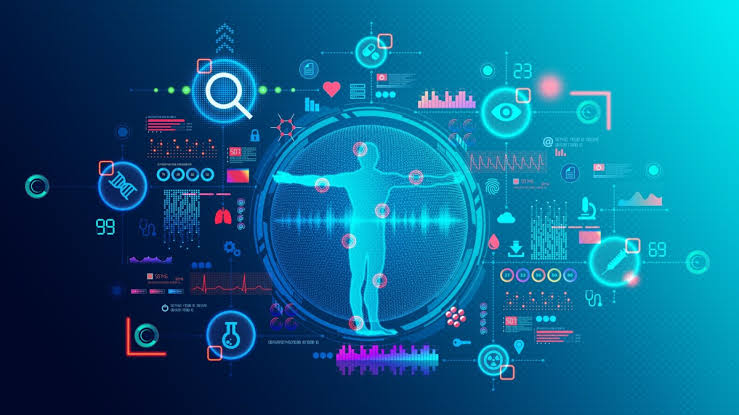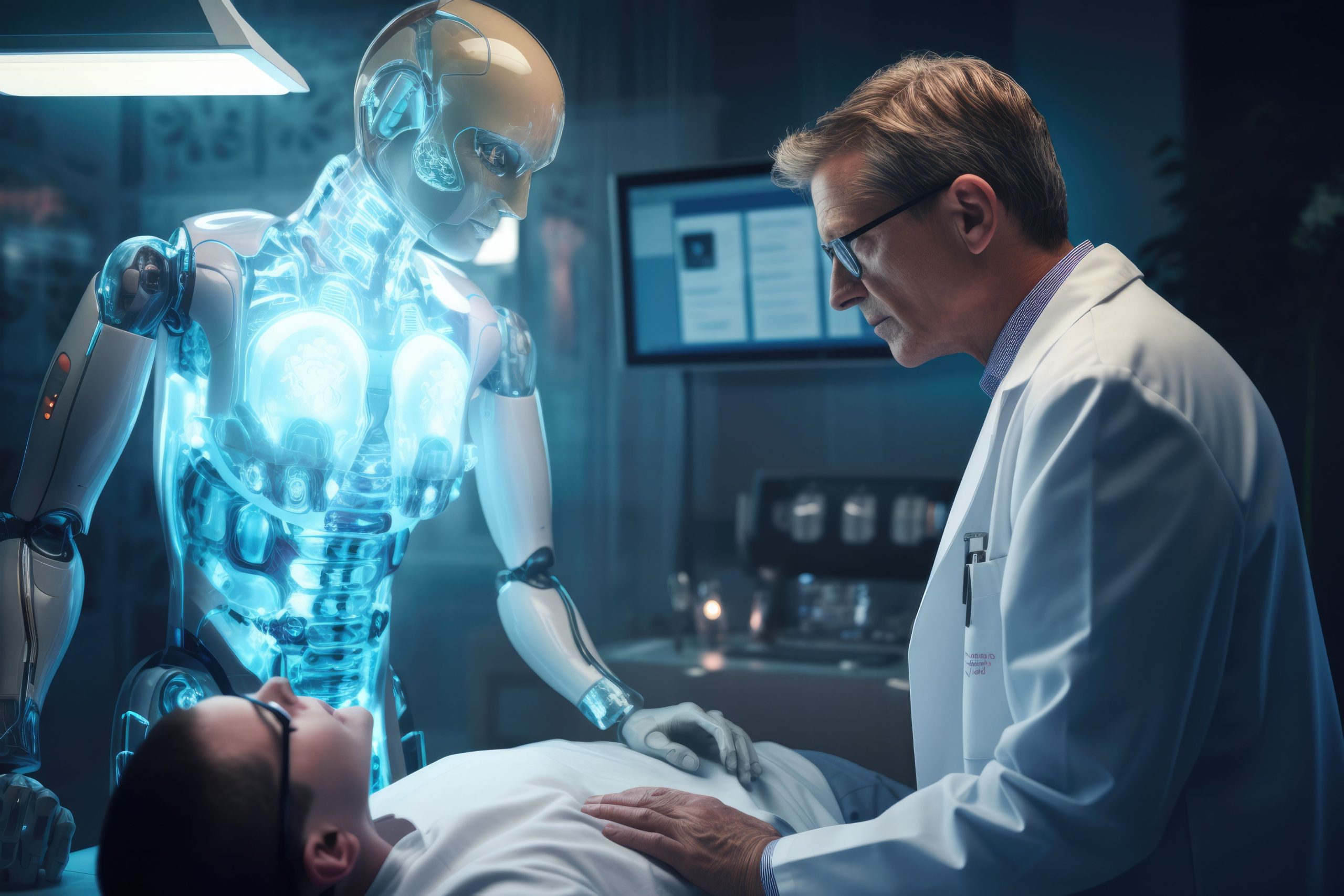

The healthcare industry is evolving at an unprecedented pace, driven by technological advancements and the growing demand for patient-centered care. In this digital era, Customer Relationship Management (CRM) systems have emerged as a powerful catalyst for change. Once used primarily in sales and marketing, CRM technology now plays a crucial role in transforming how healthcare organizations operate, communicate, and engage with patients.
From improving data management to enhancing patient experiences, CRM solutions are at the heart of healthcare’s digital transformation journey. This blog explores how CRM systems are reshaping the healthcare landscape, their impact on digital transformation, and the future they promise for both patients and providers.
1. Understanding Healthcare Digital Transformation
Digital transformation in healthcare refers to the integration of digital technologies into all aspects of patient care and administrative operations. It aims to make healthcare more efficient, personalized, and accessible. Technologies such as electronic health records (EHRs), telemedicine, artificial intelligence (AI), and cloud computing are key drivers of this transformation.
Within this ecosystem, CRM systems serve as the connective tissue—integrating data, automating workflows, and enabling personalized engagement. Healthcare CRM platforms go beyond basic record-keeping; they consolidate patient interactions, preferences, and feedback across multiple touchpoints, allowing organizations to deliver smarter and more proactive care.
2. Centralizing Patient Data for Smarter Decisions
One of the most significant contributions of CRM to digital healthcare transformation is data centralization. Traditionally, patient data is scattered across different systems—EHRs, billing software, laboratory systems, and appointment schedulers. This fragmentation makes it difficult to access a complete view of a patient’s history.
A healthcare CRM integrates these data sources into a single, unified platform, providing a 360-degree view of each patient. Doctors, nurses, and administrators can access accurate and updated information in real time, leading to better decision-making and more efficient care delivery.
For instance, when a patient contacts a hospital for follow-up, the CRM instantly provides details about previous visits, prescribed medications, and even feedback history. This centralized approach not only improves clinical decisions but also streamlines administrative processes—reducing redundancies and errors.
3. Enhancing Patient Engagement and Experience
In today’s healthcare environment, patients expect convenience, personalization, and clear communication. CRM systems play a pivotal role in delivering seamless and meaningful patient experiences by managing every stage of the patient journey—from initial inquiry to post-treatment follow-up.
Using CRM tools, healthcare providers can:
- Send automated appointment reminders and follow-up messages.
- Deliver personalized health education materials based on patient conditions.
- Track patient feedback and satisfaction to improve service quality.
Additionally, CRM analytics can help identify patient preferences and behavior patterns, allowing healthcare providers to tailor services to individual needs. This patient-centric approach increases satisfaction, trust, and long-term loyalty—key pillars of digital healthcare transformation.
4. Streamlining Communication Across Departments
Effective communication is at the core of quality healthcare. Miscommunication between departments can lead to delays, inefficiencies, and even medical errors. CRM systems address this challenge by creating a centralized communication hub that connects doctors, nurses, administrative staff, and patients.
Through features like task management, internal messaging, and shared dashboards, CRM platforms facilitate smooth coordination among teams. For example, when a doctor updates a patient’s treatment plan, the system can automatically notify nurses, lab technicians, and billing departments, ensuring everyone stays informed and aligned.
By eliminating information silos, CRM technology enables collaborative care, which is essential for achieving successful health outcomes in today’s complex medical ecosystem.
5. Driving Data-Driven Insights and Predictive Care
Digital transformation in healthcare is not just about digitizing records—it’s about using data intelligently to improve outcomes. CRM systems empower healthcare providers with advanced analytics and reporting tools that turn raw data into actionable insights.
With the help of AI and machine learning, CRM platforms can:
- Predict patient needs based on past behavior or health patterns.
- Identify high-risk patients for preventive care programs.
- Track operational efficiency and patient engagement metrics.
For instance, predictive analytics can alert care teams when a patient with chronic conditions is likely to miss a medication refill or appointment. This allows providers to intervene early, reducing hospital readmissions and improving long-term health outcomes.
By enabling proactive and personalized care, CRM-driven insights mark a significant milestone in healthcare’s digital transformation.
6. Supporting Telehealth and Remote Care
The rise of telemedicine has redefined how patients interact with healthcare providers. CRM systems play a key role in supporting and managing telehealth operations, ensuring that virtual care is just as effective as in-person treatment.
Healthcare CRMs can integrate with telehealth platforms to handle:
- Virtual appointment scheduling and reminders.
- Real-time communication and data sharing.
- Remote monitoring of patient progress through connected devices and mobile apps.
This integration ensures that all telehealth interactions are recorded in the patient’s CRM profile, creating a seamless continuity of care between virtual and in-person visits. As remote care continues to grow, CRM systems will remain the backbone for managing these digital patient experiences efficiently.
7. Ensuring Compliance and Data Security
Data protection is a top priority in digital healthcare transformation. CRM systems manage vast amounts of sensitive patient data, so ensuring compliance with HIPAA, GDPR, and other data protection laws is critical.
Modern healthcare CRM platforms come equipped with built-in security protocols, including encryption, access control, and audit trails, to protect patient information. These systems help healthcare providers maintain compliance while building trust through transparent data handling.
Moreover, cloud-based CRMs provide secure and scalable storage solutions, ensuring that data remains accessible to authorized users while being protected against breaches or loss.
8. Improving Operational Efficiency and Cost Management
Digital transformation in healthcare isn’t just about technology—it’s about doing more with less. CRM systems improve efficiency by automating repetitive administrative tasks such as scheduling, billing, reporting, and communication.
Automation reduces human error, shortens response times, and frees up staff to focus on what matters most—patient care. Over time, this leads to significant cost savings and improved resource allocation.
For example, by using CRM automation, a hospital can reduce the number of missed appointments, optimize staff scheduling, and ensure consistent follow-ups—all contributing to higher efficiency and better patient outcomes.
9. Fostering a Culture of Digital Innovation
Implementing a CRM is not just a technology upgrade—it’s a cultural shift. It encourages healthcare organizations to embrace data-driven decision-making, continuous improvement, and patient-first strategies.
CRM systems foster collaboration between IT, clinical, and administrative teams, breaking down traditional barriers and encouraging innovation. As healthcare moves toward more integrated, digital-first ecosystems, CRM adoption acts as a foundation for future technologies such as AI-powered diagnostics, wearable data integration, and predictive health management.

Final Thoughts
The impact of CRM on healthcare digital transformation cannot be overstated. It connects technology, data, and people to create a smarter, more responsive, and patient-centered healthcare ecosystem.
By enabling data integration, personalized communication, telehealth management, and predictive analytics, CRM systems are helping healthcare providers transition from reactive care models to proactive, preventive, and value-based care.
In essence, CRM is not just a software solution—it’s the engine driving healthcare’s digital evolution. Organizations that embrace CRM technology today are not only improving their current operations but also laying the groundwork for a future where healthcare is more connected, intelligent, and compassionate than ever before.