
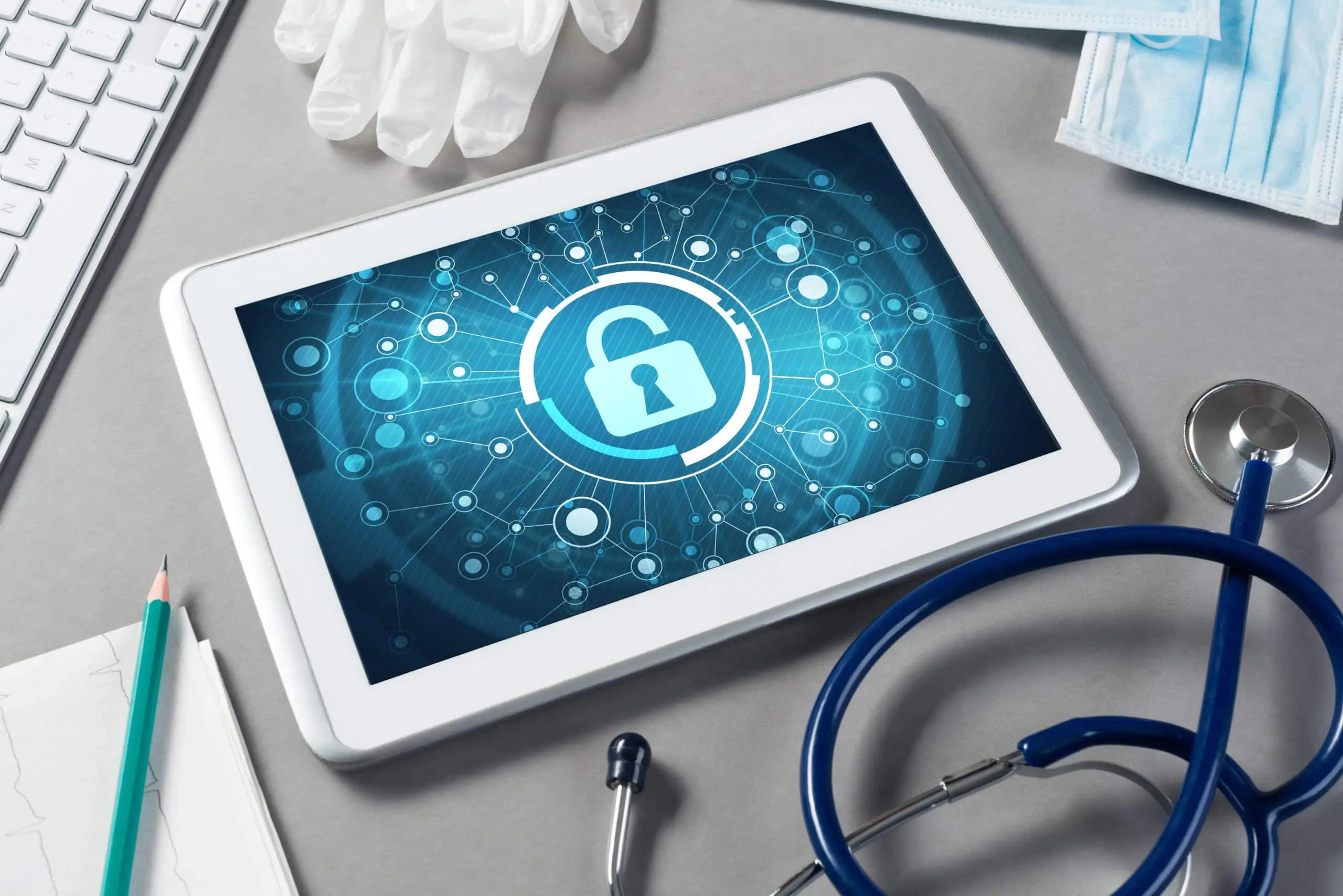
In today’s digital healthcare environment, data privacy is more than a compliance requirement—it’s the foundation of patient trust. As healthcare organizations increasingly rely on Customer Relationship Management (CRM) systems to manage patient relationships, store medical data, and improve engagement, ensuring that sensitive information remains secure has become a top priority.
A Healthcare CRM collects and processes vast amounts of patient data—from personal information and medical records to billing and communication history. This makes it a prime target for cyber threats and data breaches. Therefore, implementing robust privacy and security measures is essential not only to meet legal regulations like HIPAA (Health Insurance Portability and Accountability Act) and GDPR (General Data Protection Regulation) but also to safeguard the integrity of patient relationships.
In this blog, we’ll explore how to ensure data privacy in healthcare CRM systems, outlining key strategies, technologies, and best practices that every healthcare organization should follow.
1. Understanding the Importance of Data Privacy in Healthcare CRM
Healthcare data is among the most sensitive types of personal information. It includes medical histories, prescriptions, test results, and payment records—data that can be misused if not properly protected.
A breach in patient data can lead to severe consequences such as:
- Identity theft and insurance fraud
- Damage to organizational reputation
- Legal penalties for non-compliance
- Loss of patient trust and confidence
By prioritizing data privacy within the CRM, healthcare organizations can ensure that patient information remains secure, confidential, and accessible only to authorized personnel.
2. Implement Strong Access Controls
The first step in ensuring data privacy is controlling who has access to patient data. Not every staff member needs full access to all CRM records. Implementing role-based access control (RBAC) helps limit data visibility based on the user’s job function.
For example:
- Doctors may have access to full medical records.
- Receptionists can view appointment details but not clinical notes.
- Marketing staff may only access non-medical engagement data.
Additional best practices include:
- Using multi-factor authentication (MFA) to verify user identity.
- Regularly updating and reviewing access permissions.
- Immediately revoking access for former employees or inactive users.
This approach minimizes the risk of unauthorized data exposure.
3. Encrypt Data in Transit and at Rest
Encryption is one of the most effective ways to protect sensitive patient data. It ensures that even if information is intercepted or stolen, it remains unreadable without a decryption key.
A secure Healthcare CRM should use:
- SSL/TLS encryption for data transmitted over the internet.
- AES-256 encryption for stored (at rest) data in databases or cloud environments.
Healthcare organizations should also encrypt:
- Backups and archives
- Emails containing patient information
- Data stored on mobile devices or remote servers
With robust encryption protocols in place, patient data remains secure across all stages of storage and transmission.
4. Ensure Compliance with Healthcare Regulations
Compliance is a cornerstone of healthcare data privacy. A CRM system used in healthcare must comply with industry regulations such as:
- HIPAA (USA): Governs the protection and sharing of patient health information (PHI).
- GDPR (Europe): Ensures data privacy and consent for patients in the European Union.
- Local Data Protection Laws: Each country may have its own healthcare privacy framework.
To maintain compliance, healthcare organizations should:
- Choose CRM vendors that offer built-in compliance features.
- Conduct regular audits and risk assessments.
- Document data-handling policies and staff responsibilities.
- Obtain patient consent before collecting or sharing data.
Compliance not only protects against legal risks but also reinforces the organization’s credibility and trustworthiness.
5. Use Secure Cloud and Data Hosting Solutions
Many healthcare CRMs are cloud-based, offering flexibility and scalability. However, not all cloud providers meet healthcare data protection standards.
When selecting a CRM, ensure that:
- The cloud provider is HIPAA-compliant and offers a Business Associate Agreement (BAA).
- Data centers have physical and network-level security such as firewalls, intrusion detection systems, and surveillance.
- The provider performs regular vulnerability testing and security monitoring.
Secure hosting ensures that patient data is protected from unauthorized access, both digitally and physically.
6. Implement Audit Trails and Activity Monitoring
Transparency is essential in maintaining data privacy. A healthcare CRM should maintain detailed audit trails that record every action taken within the system—who accessed what data, when, and why.
Benefits of audit logs include:
- Detecting suspicious or unauthorized activity.
- Providing evidence in case of a security breach.
- Ensuring accountability among staff members.
Regular monitoring of user activity helps identify potential privacy risks early, allowing quick corrective action.
7. Conduct Regular Security Audits and Penetration Testing
Even the most secure systems can develop vulnerabilities over time. That’s why regular security audits and penetration tests are vital for identifying weaknesses before cybercriminals can exploit them.
Healthcare organizations should:
- Perform quarterly security assessments.
- Engage third-party cybersecurity experts for unbiased testing.
- Patch software vulnerabilities promptly.
- Review and update CRM privacy configurations periodically.
Routine assessments ensure the CRM remains compliant and resilient against evolving cyber threats.
8. Educate and Train Healthcare Staff
Human error is one of the leading causes of data breaches. Even the most advanced CRM systems can be compromised if users aren’t properly trained.
Effective data privacy training should include:
- Recognizing phishing and social engineering attacks.
- Safely handling patient information and credentials.
- Following organizational data policies.
- Reporting suspicious activity promptly.
By fostering a culture of privacy awareness, healthcare organizations empower staff to become the first line of defense against data breaches.
9. Backup and Disaster Recovery Planning
Data privacy isn’t only about preventing unauthorized access—it’s also about ensuring data availability and integrity. System failures, ransomware attacks, or natural disasters can result in data loss if proper backups aren’t in place.
A strong disaster recovery plan should include:
- Automated, encrypted data backups.
- Secure off-site or cloud storage.
- Regular restoration testing to ensure data can be recovered quickly.
This guarantees business continuity and ensures that patient data remains intact even during unexpected incidents.
10. Choose a Trusted Healthcare CRM Provider

Not all CRM systems are designed for healthcare’s stringent data privacy requirements. When choosing a CRM, prioritize vendors that:
- Specialize in healthcare CRM solutions.
- Offer HIPAA and GDPR compliance certifications.
- Provide built-in security features like audit logs, encryption, and access control.
- Offer responsive customer support and regular security updates.
Partnering with a trusted CRM provider ensures that your data privacy measures are reinforced by industry-leading technology.
Final Thoughts
As healthcare continues to embrace digital transformation, protecting patient data must remain a top priority. A Healthcare CRM system plays a vital role in improving patient relationships and operational efficiency, but without strong privacy safeguards, it can also become a liability.
By implementing robust security measures—such as encryption, access control, compliance monitoring, and staff training—healthcare organizations can ensure that their CRM systems remain both powerful and secure.
In the end, maintaining data privacy isn’t just about meeting regulations—it’s about building trust. Patients entrust healthcare providers with their most personal information, and it’s the organization’s responsibility to protect that trust through uncompromising security and ethical data management.