

In the fast-evolving digital healthcare landscape, effective patient relationship management is no longer optional—it’s essential. As healthcare organizations strive to deliver more personalized, efficient, and accessible care, Customer Relationship Management (CRM) systems have become indispensable tools. However, traditional on-premises CRMs often fall short in flexibility and scalability. That’s why an increasing number of healthcare providers are turning toward cloud-based CRM solutions.
Cloud-based CRMs offer a powerful blend of accessibility, automation, and data-driven insights, empowering healthcare providers to enhance patient engagement, streamline operations, and ensure data security—all from a centralized platform. Let’s explore why adopting cloud-based CRMs is becoming a game-changer for modern healthcare organizations.
1. Improved Accessibility and Real-Time Data Sharing
One of the biggest advantages of a cloud-based CRM is anytime, anywhere accessibility. Unlike traditional CRMs that require on-site servers, cloud-based solutions store data securely online, enabling healthcare professionals to access patient information in real-time from any device.
For instance, doctors can view patient histories before telemedicine appointments, or administrative staff can manage follow-ups even while working remotely. This real-time accessibility ensures continuity of care—vital in today’s hybrid healthcare environment where both virtual and in-person consultations coexist.
Additionally, cloud-based CRMs allow multiple departments—such as reception, billing, and medical teams—to collaborate seamlessly. This integration minimizes communication gaps, reduces administrative delays, and enhances patient satisfaction.
2. Enhanced Data Security and Compliance
Data security is a top concern in the healthcare sector, where sensitive patient information must be handled with utmost care. Contrary to misconceptions, cloud-based CRMs are highly secure when managed correctly.
Reputable cloud CRM vendors implement advanced security protocols like end-to-end encryption, two-factor authentication, and continuous threat monitoring. These features often exceed the security capabilities of legacy, on-premises systems.
Moreover, leading cloud CRM providers ensure compliance with healthcare regulations such as HIPAA, GDPR, and local data protection laws. They regularly update their systems to meet evolving standards, reducing the burden on healthcare organizations to manage security internally.
In case of system failures or data breaches, cloud CRMs also include automated backups and disaster recovery options, ensuring data integrity and business continuity.
3. Cost Efficiency and Scalability
Traditional CRMs often require significant upfront investment in hardware, software, and IT maintenance. In contrast, cloud-based CRMs operate on a subscription or pay-as-you-go model, eliminating the need for expensive infrastructure.
This model not only reduces costs but also allows healthcare organizations to scale easily. Whether it’s a small clinic or a large hospital network, providers can add new users, departments, or features as they grow—without worrying about hardware limitations.
Cloud CRMs also minimize IT overheads since system updates, backups, and maintenance are handled automatically by the service provider. This enables healthcare organizations to focus their resources on patient care rather than technical upkeep.
4. Integration with Existing Healthcare Systems
Modern healthcare operations rely on multiple digital systems, such as Electronic Health Records (EHRs), billing software, telemedicine platforms, and patient portals. Cloud-based CRMs can easily integrate with these systems through APIs and automation tools, creating a unified digital ecosystem.
For example, when a patient books an appointment online, the CRM can automatically update the EHR and notify relevant staff. Likewise, feedback and follow-up data collected through the CRM can help clinicians personalize future care plans.
This data synchronization across platforms improves efficiency, reduces errors, and ensures that healthcare professionals always have a comprehensive view of each patient’s journey.
5. Personalized Patient Engagement
Cloud-based CRMs enable healthcare providers to build personalized and proactive patient engagement strategies. By collecting and analyzing patient data—such as medical history, appointment patterns, and feedback—providers can design targeted communication campaigns.
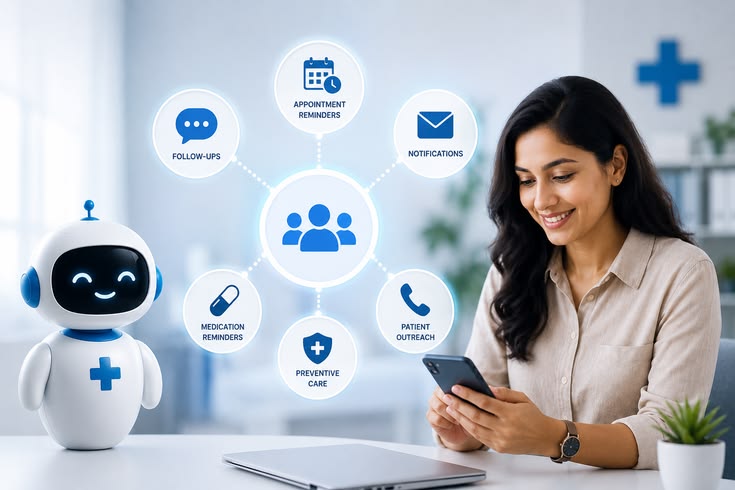
For instance, a CRM can automatically send reminders for annual checkups, follow-ups after treatment, or wellness program invitations. It can also segment patients based on conditions or demographics, allowing healthcare marketers to deliver customized content that resonates with each group.
Personalized engagement not only enhances patient satisfaction but also fosters loyalty, leading to better retention and long-term relationships.
6. Data-Driven Insights and Predictive Analytics
The true power of cloud-based CRMs lies in their ability to transform raw data into actionable insights. With built-in analytics and reporting tools, healthcare providers can track patient trends, measure campaign effectiveness, and identify areas for improvement.
For example, analytics might reveal that a particular age group prefers telehealth appointments or that certain treatments are in higher demand during specific seasons. These insights help organizations plan resources more effectively and make data-backed business decisions.
Some advanced cloud CRMs even incorporate AI-powered predictive analytics, which can forecast patient behaviors—such as likelihood of appointment cancellations or readmissions—helping providers take preventive measures.
7. Simplified Collaboration and Workflow Automation
Cloud-based CRMs streamline daily operations by automating repetitive administrative tasks. Appointment scheduling, billing reminders, feedback collection, and follow-up emails can all be handled automatically, reducing manual workloads and minimizing human error.
Moreover, with role-based access controls, different departments can view and update relevant patient data without disrupting workflow. This transparency fosters better teamwork among medical, administrative, and marketing teams—ensuring that everyone works from the same up-to-date information.
The result is a more organized, efficient, and collaborative healthcare environment where patients benefit from faster, more coordinated care.
8. Supporting Telemedicine and Remote Care
The rise of telemedicine has transformed how healthcare services are delivered. Cloud-based CRMs complement this shift perfectly by offering centralized platforms that track virtual appointments, manage patient communications, and store remote care data.
Through cloud CRMs, providers can maintain consistent follow-up with patients post-teleconsultation, send medication reminders, and gather feedback—all in one system. This seamless integration between telehealth and CRM systems ensures that remote care remains just as efficient and personalized as in-person visits.

Final Thoughts
The healthcare industry is rapidly embracing digital transformation, and cloud-based CRM systems are at the forefront of this evolution. They empower healthcare providers to go beyond traditional patient management, offering real-time collaboration, cost efficiency, and secure data accessibility.
By adopting cloud-based CRMs, healthcare organizations can achieve better patient engagement, stronger data security, and smarter operational workflows. More importantly, they position themselves for long-term success in a competitive and increasingly digital healthcare landscape.
In short, cloud-based CRMs are not just a technology upgrade—they’re a strategic investment in the future of patient-centered care.